
🔎FROM THE FIELD - october 2026
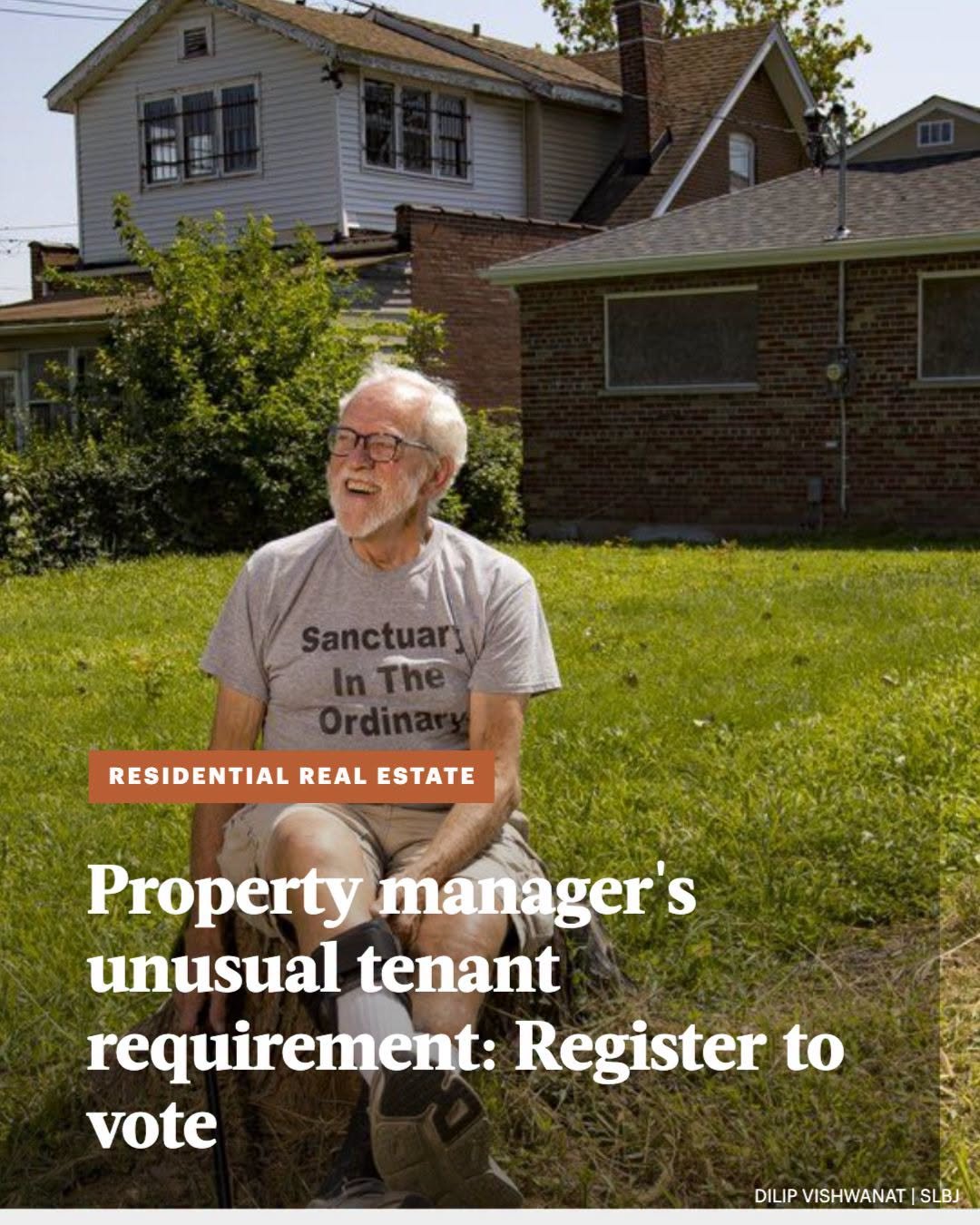
Jim Roos was recently featured in a St. Louis Business Journal character story →
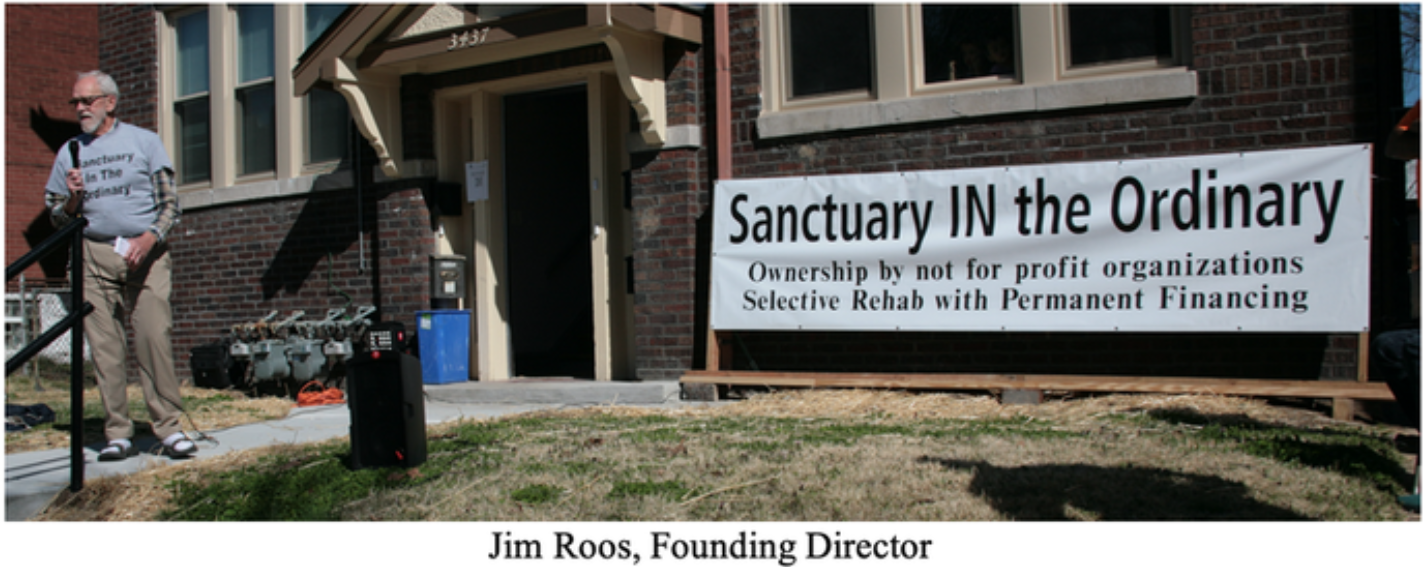
From 1971–2018, I used selective rehab, nonprofit ownership, and some private financing to create/maintain 100s of decent lower cost rental units. (In 2019 I added Competent Management and Clearing/Greening to the strategy.) I did this through Neighborhood Enterprises (NE), a property management company, and Sanctuary IN the Ordinary (SITO), its nonprofit partner.
Many times, we requested financing for selective rehab from the Affordable Housing Commission. (AHC). The AHC has bylaws that allow it to fund selective rehab but to date has only funded gut rehab or new construction with the numerous requirements that come with CDA/HUD financing.
Gut rehab and new construction cost 3 times as much per unit as selective rehab.
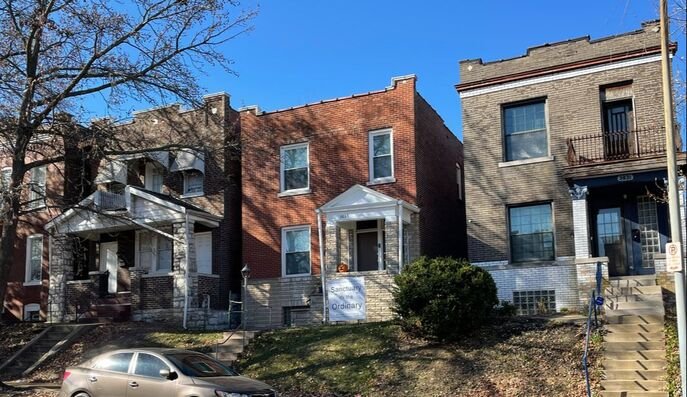
Selective Rehab by nonprofits could/should have requirements like those faced by private owners. Nonprofit owners keep units safe, desirable, and well managed or they get sued or lose tenants. Nonprofits that fail to do that would also be disqualified from further funding. Units must be affordable at 50% Area Median Income (AMI). Most tenants would have incomes in the 40-60% range of AMI. Tenants with lower income and rent subsidy or with higher income could also rent but units must be offered for rent at amounts that are affordable at no more than 50% of AMI. This works in distressed or somewhat distressed neighborhoods but not in gentrified neighborhoods.
The total development cost is least when rehab is between 30 and 70% of the total development cost. The single benefit from the AHC would be interest free money for 10 years, equal to 20% of the finished value.
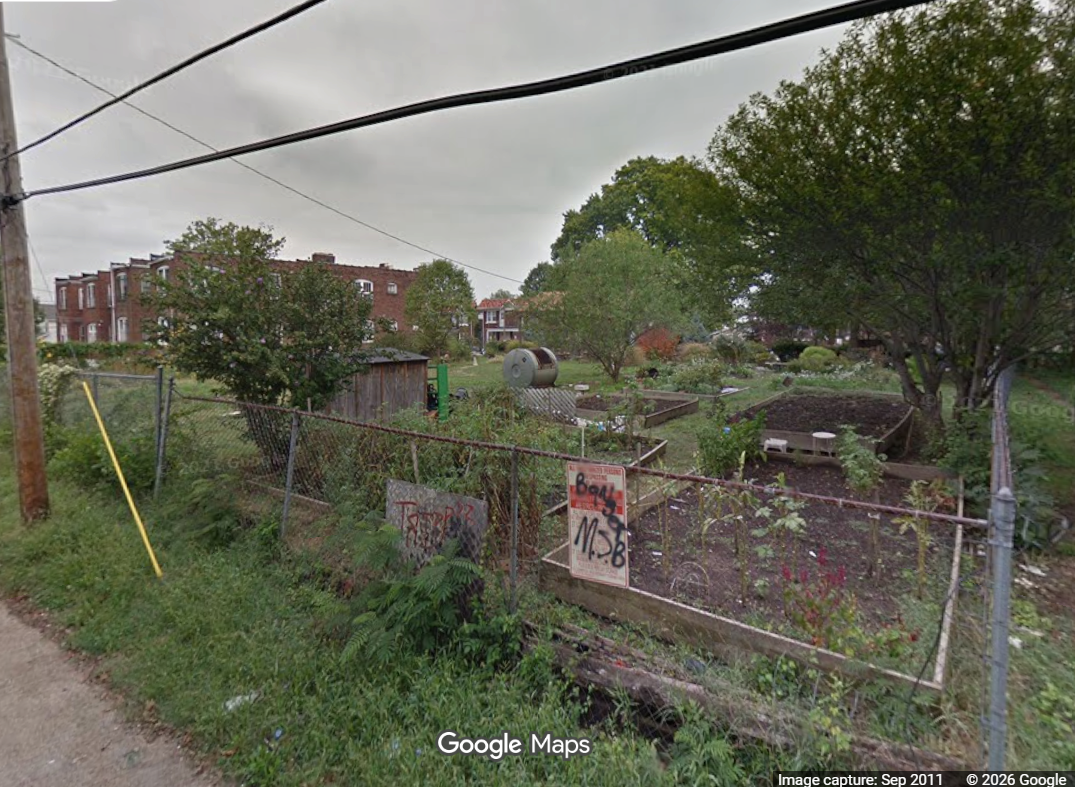
In 2019 I met with many bankers. Most bankers were willing to lend 75% loan to value (LRV) to viable nonprofits that had 5% equity and 20% interest free financing. My views about Clearing/Greening, eminent domain, and the need to give some priority to rental housing over home ownership, must wait until a later op-ed.
Articles in “From the Field” represent the opinions of the author only and do not represent the views of the Community Builders Network of Metro St. Louis or the University of Missouri-St. Louis.
We invite readers to contribute to the civic conversation about community development in St. Louis by writing an op-ed for the Community Builders Exchange. Op-eds should be short (400-700 words) and provocative. If you have an idea for an op-ed, contact admin@communitybuildersstl.org.