
Photo source: Lutheran Development Group
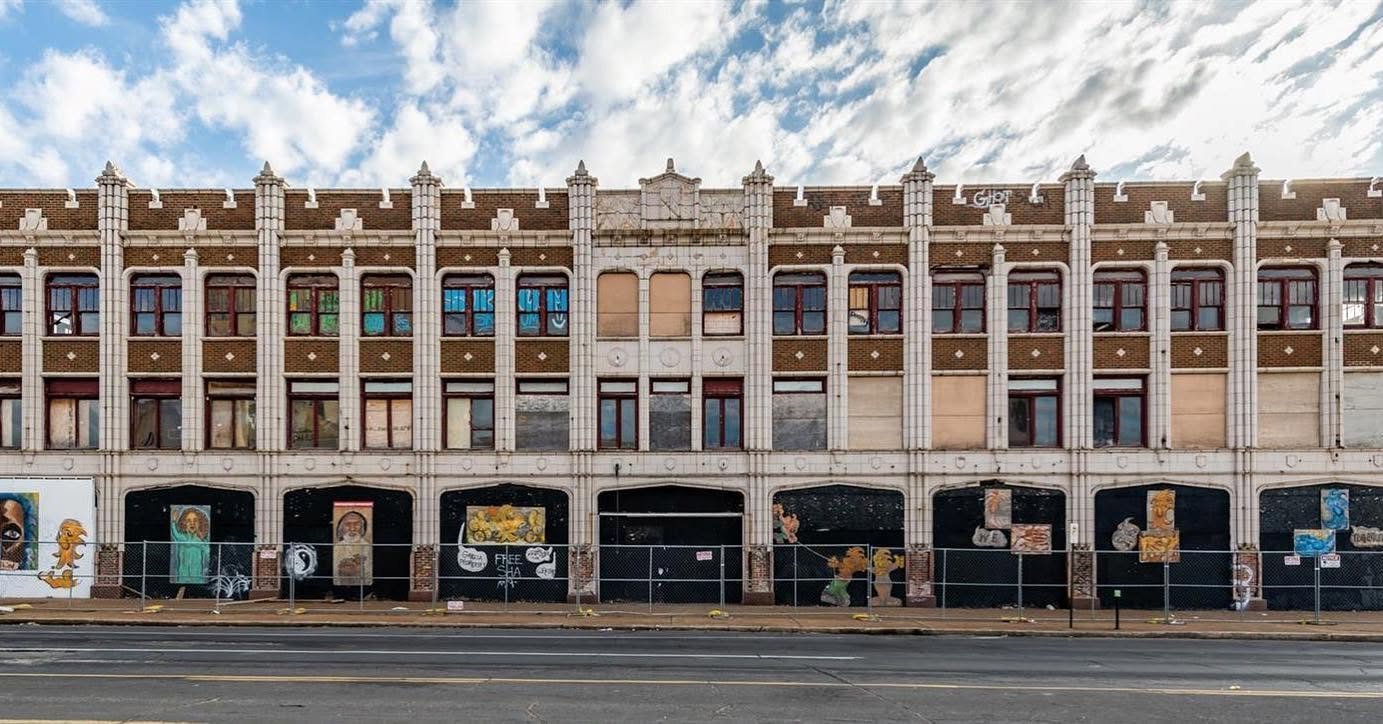
The historic Grandview Arcade at 3600 South Grand is finally nearing the end of a long-awaited transformation, and several CBN members have played a major role in making it happen.
Lutheran Development Group and Rise Community Development came together to bring the long-vacant building back into productive use as part of Marquette Homes, a multi-site development bringing 60 affordable apartments to the Dutchtown and Gravois Park communities. CORE10 Architecture is leading the design, E. M. Harris Construction Company is serving as general contractor, and the City of St. Louis Community Development Administration has helped support the project.
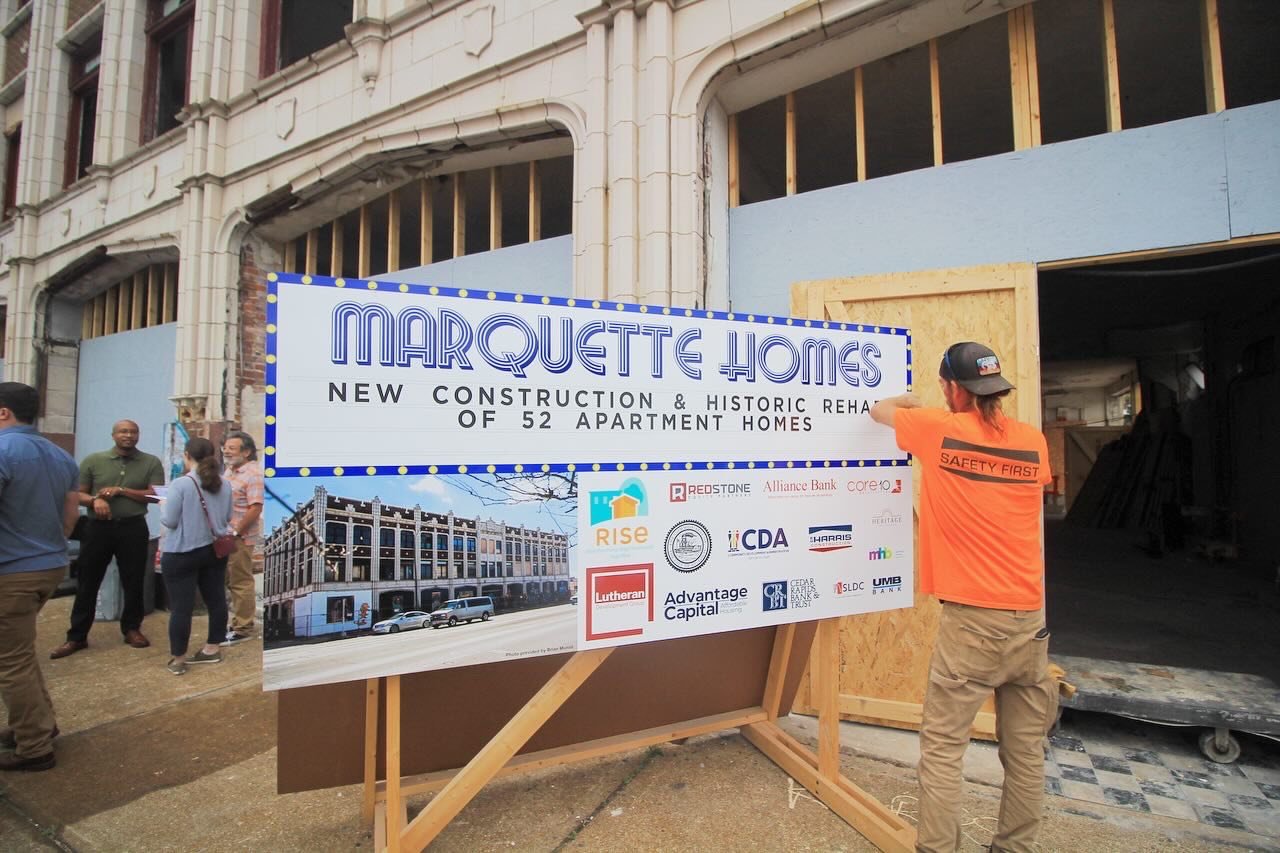
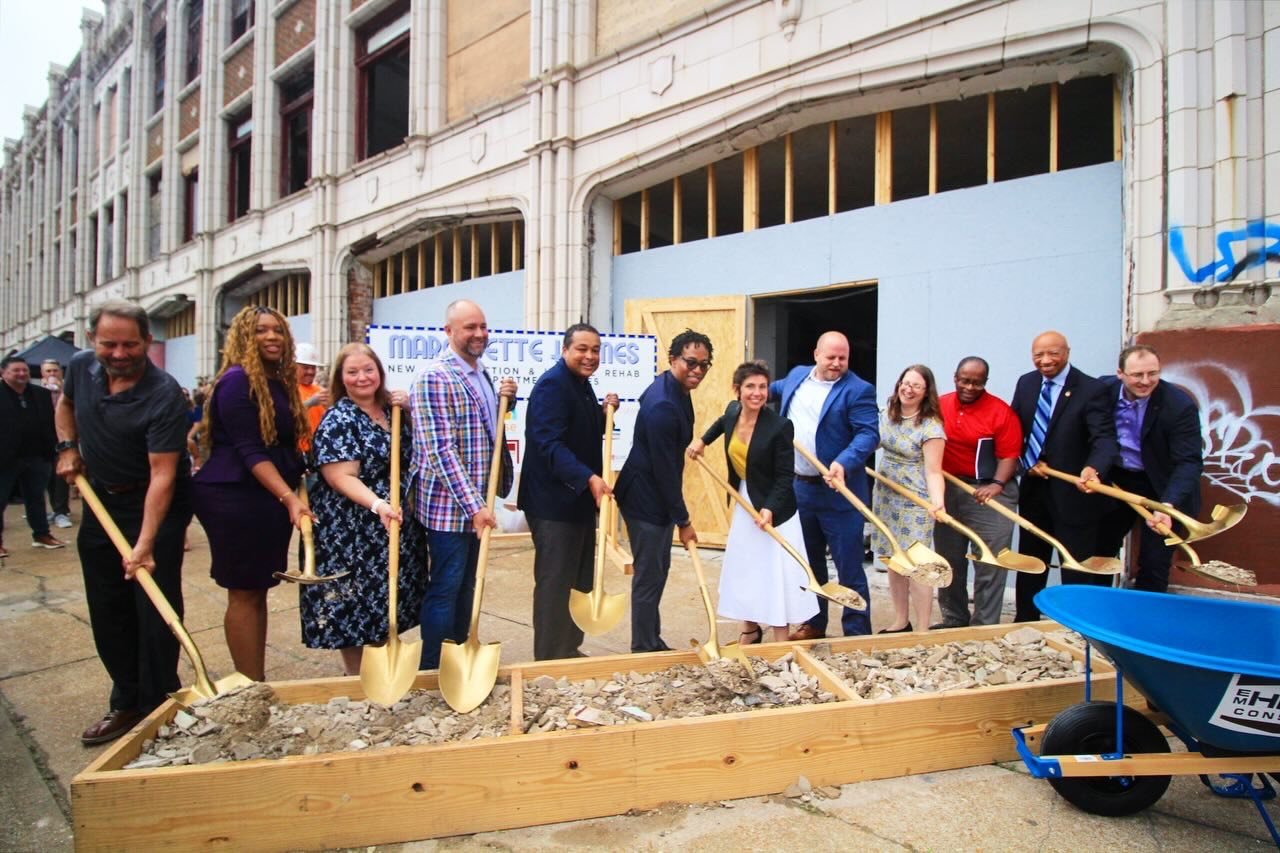
Together, these partners are doing something that isn't easy: taking a historic building that sat vacant for years and finding a way to preserve its character while creating quality, affordable homes and commercial space for the next generation. And after sitting empty for soooo long, the transformation is pretty incredible to see!
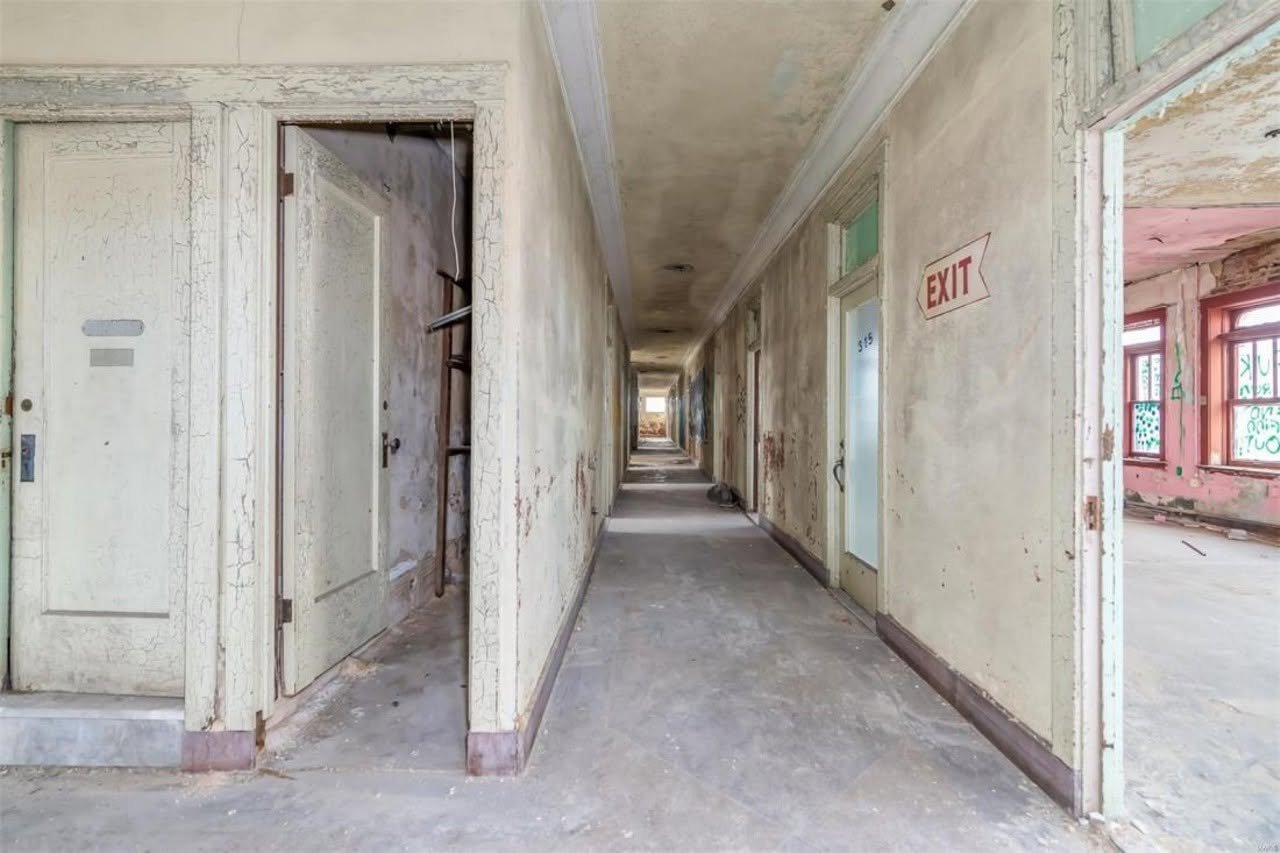
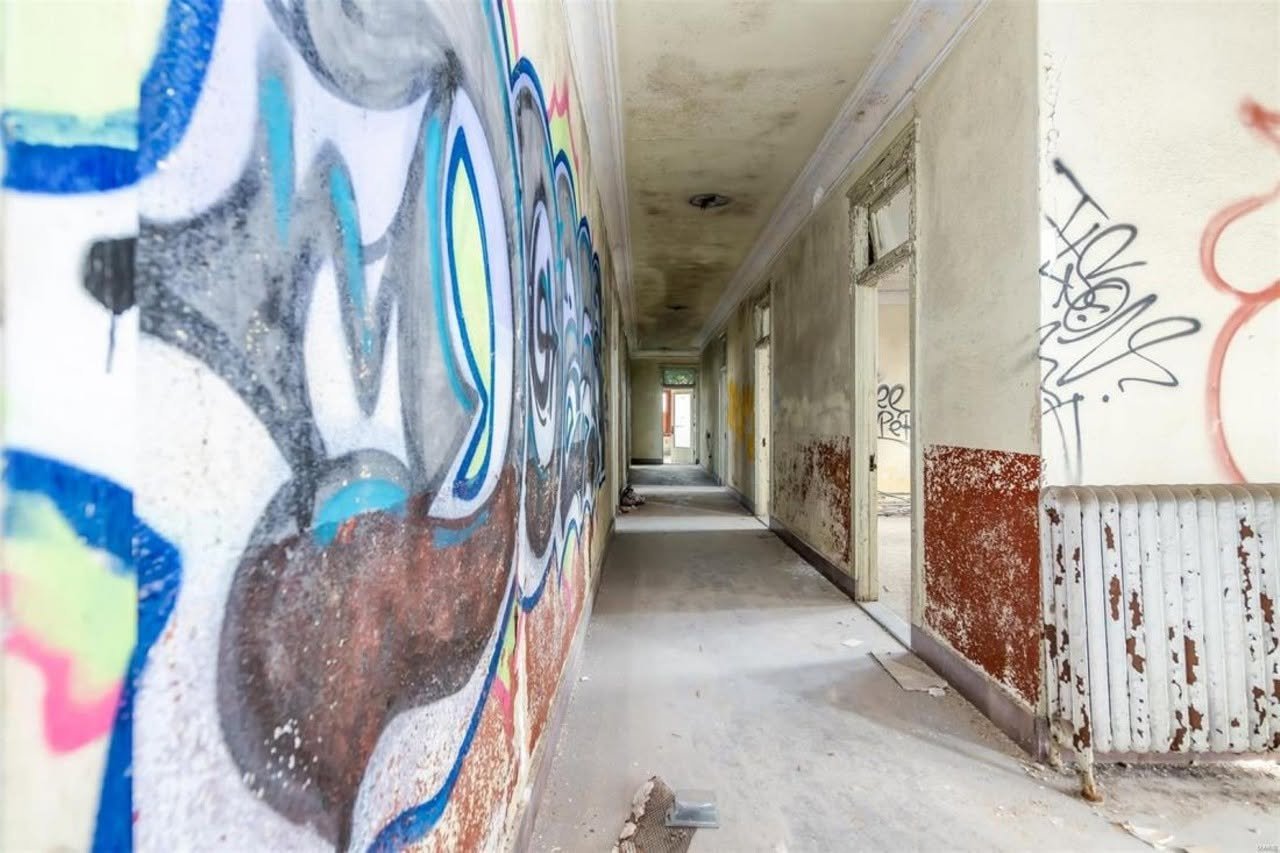
Before photo courtesy: Garcia Properties/RiverfrontTimes
For 101 years, the Grandview Arcade has stood at the southeast corner of Grand and Miami. It originally served as an office and retail building, with its central arcade providing the entrance to the Melba Theater. The theater and its famous marquee are long gone, but the Grandview Arcade remained and became part of the fabric of the neighborhood.
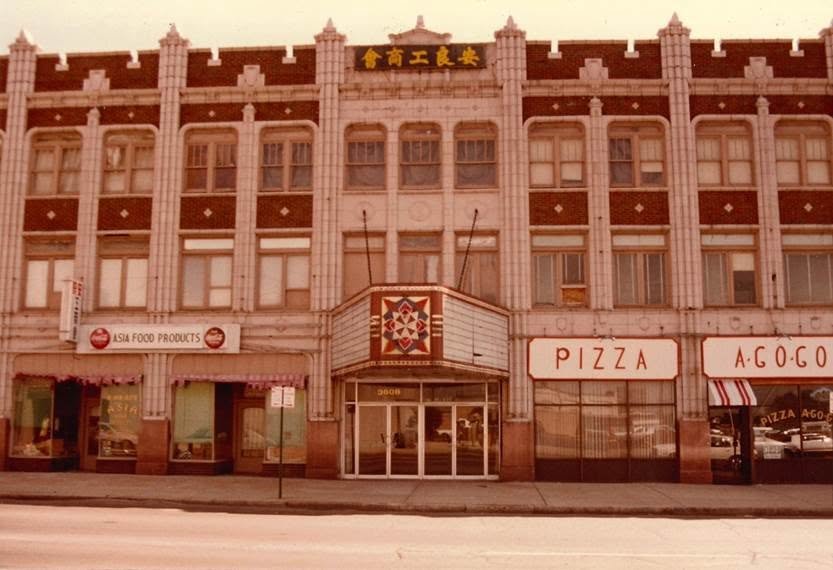
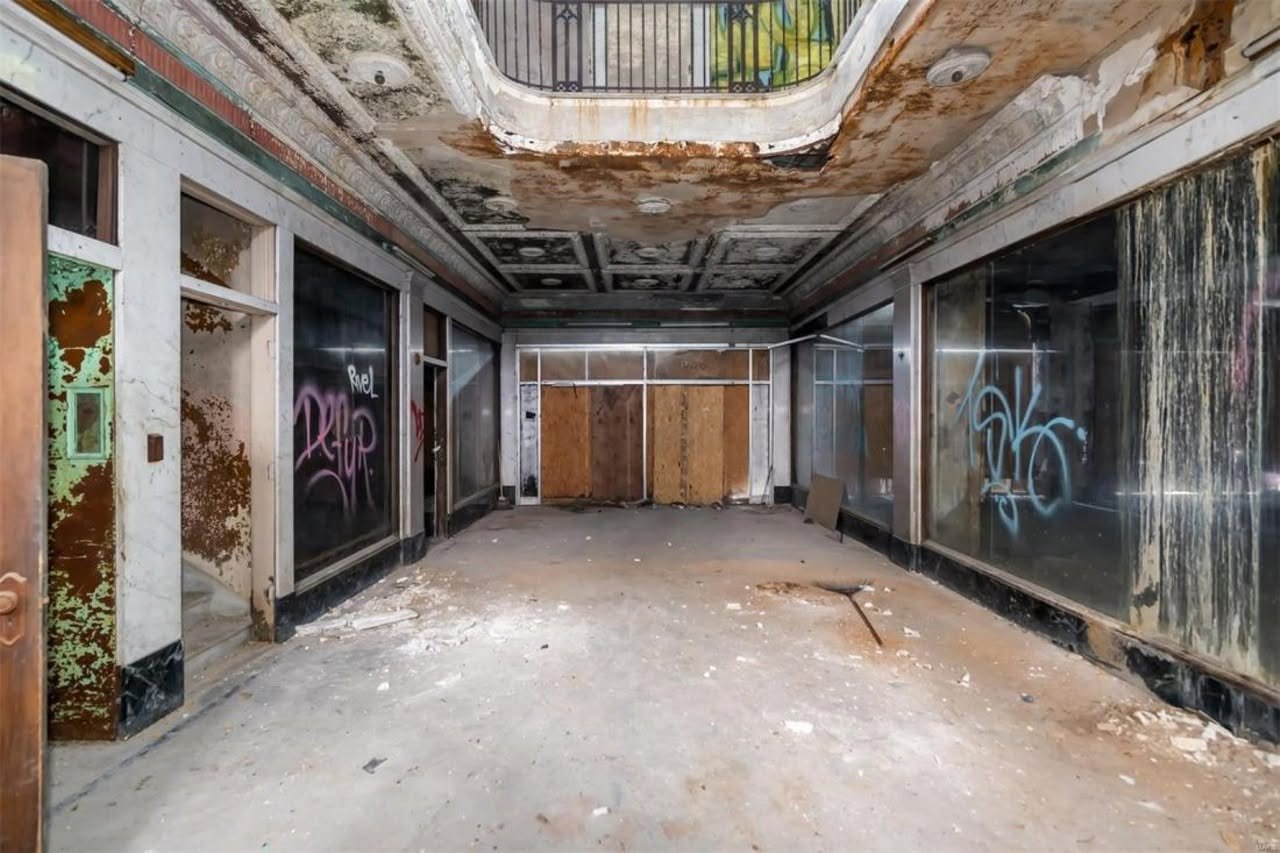
Over the years, numerous businesses and office tenants called the building home. Pizza A-Go-Go even got its start here before eventually moving to Scanlan and Ivanhoe. Then the building went vacant. Plans came and went. There were proposals to turn the building into condos, followed by plans for apartments. For years, the Grandview simply sat there, waiting.
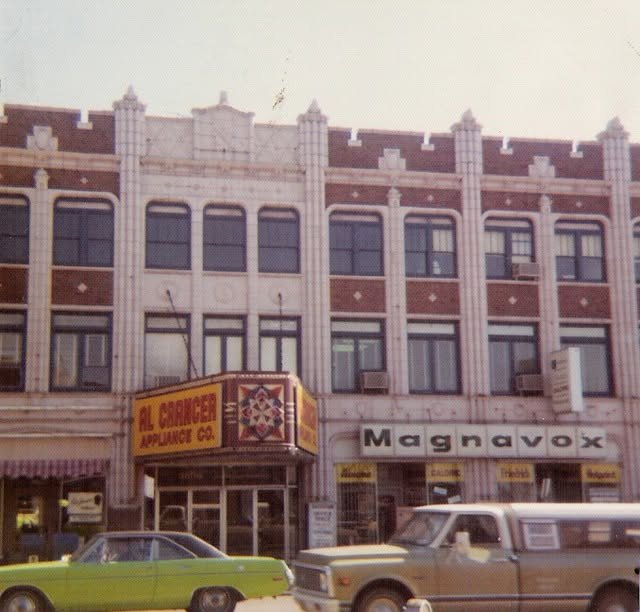
Photo source: Riverfront Times
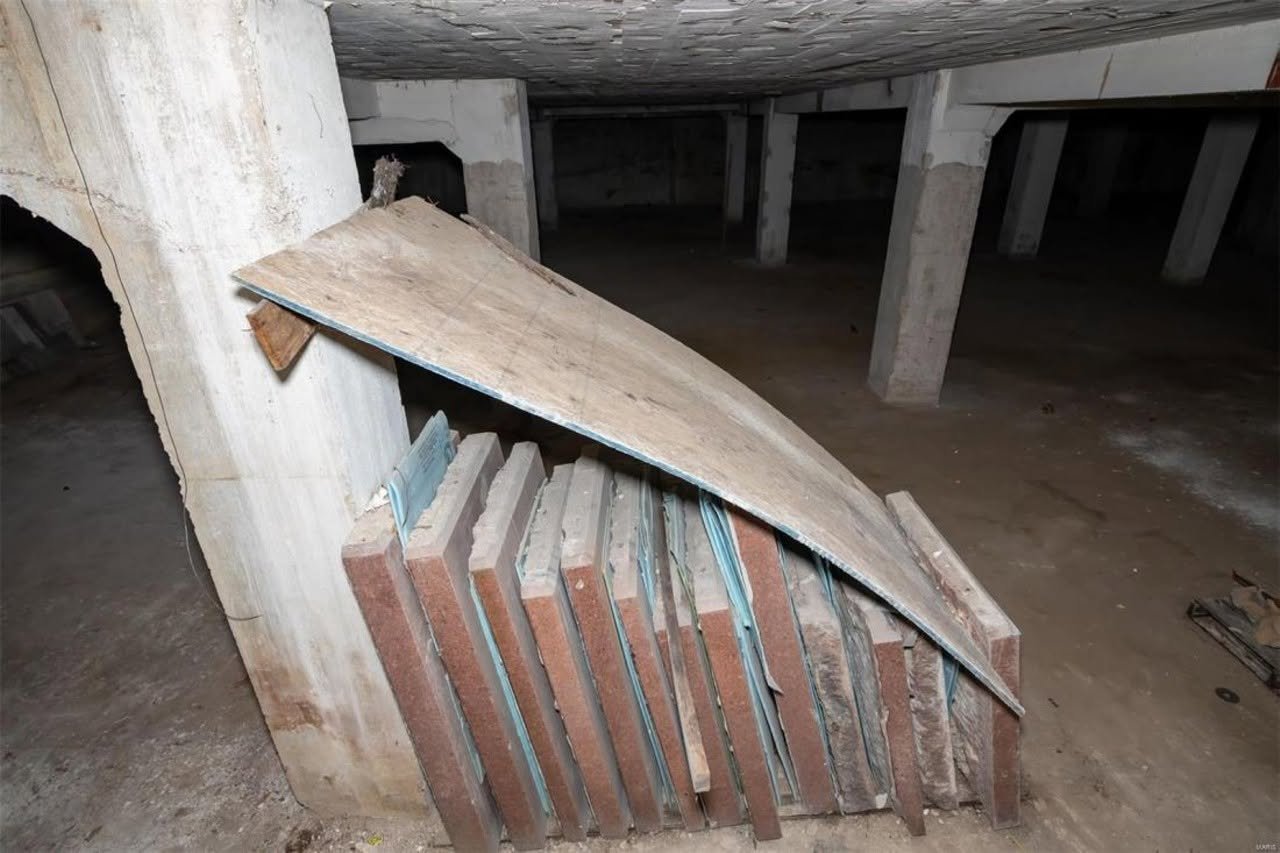
Photo source: Riverfront Times/Garcia Properties
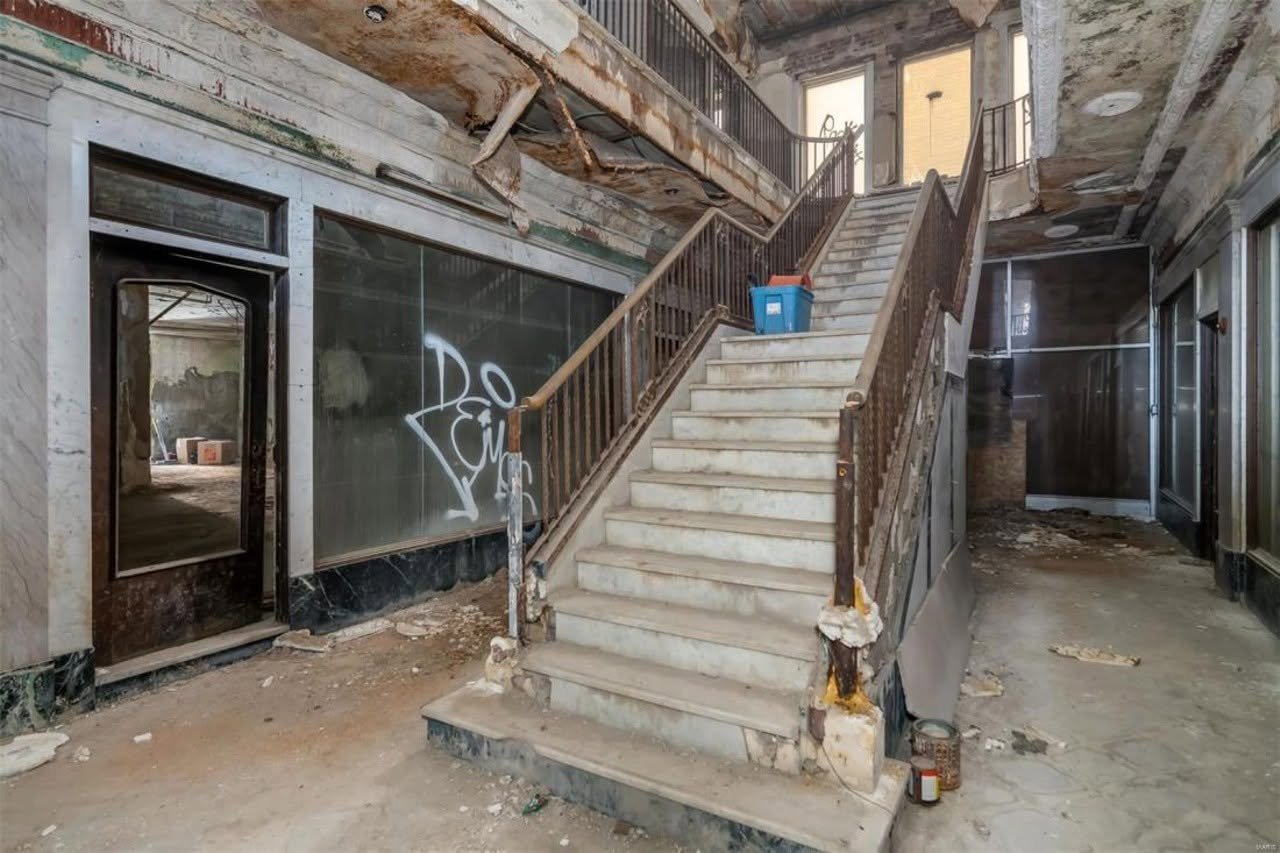
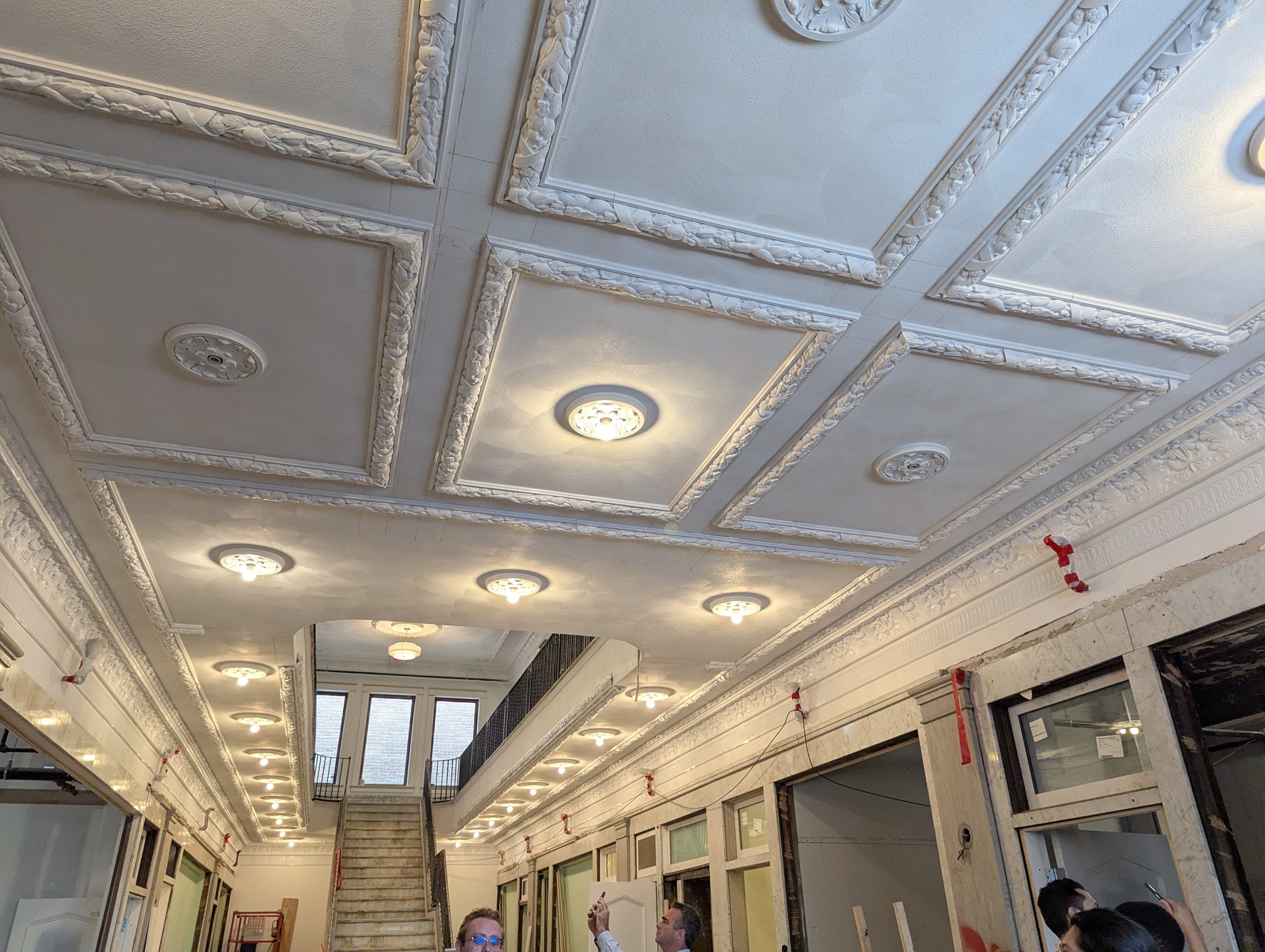
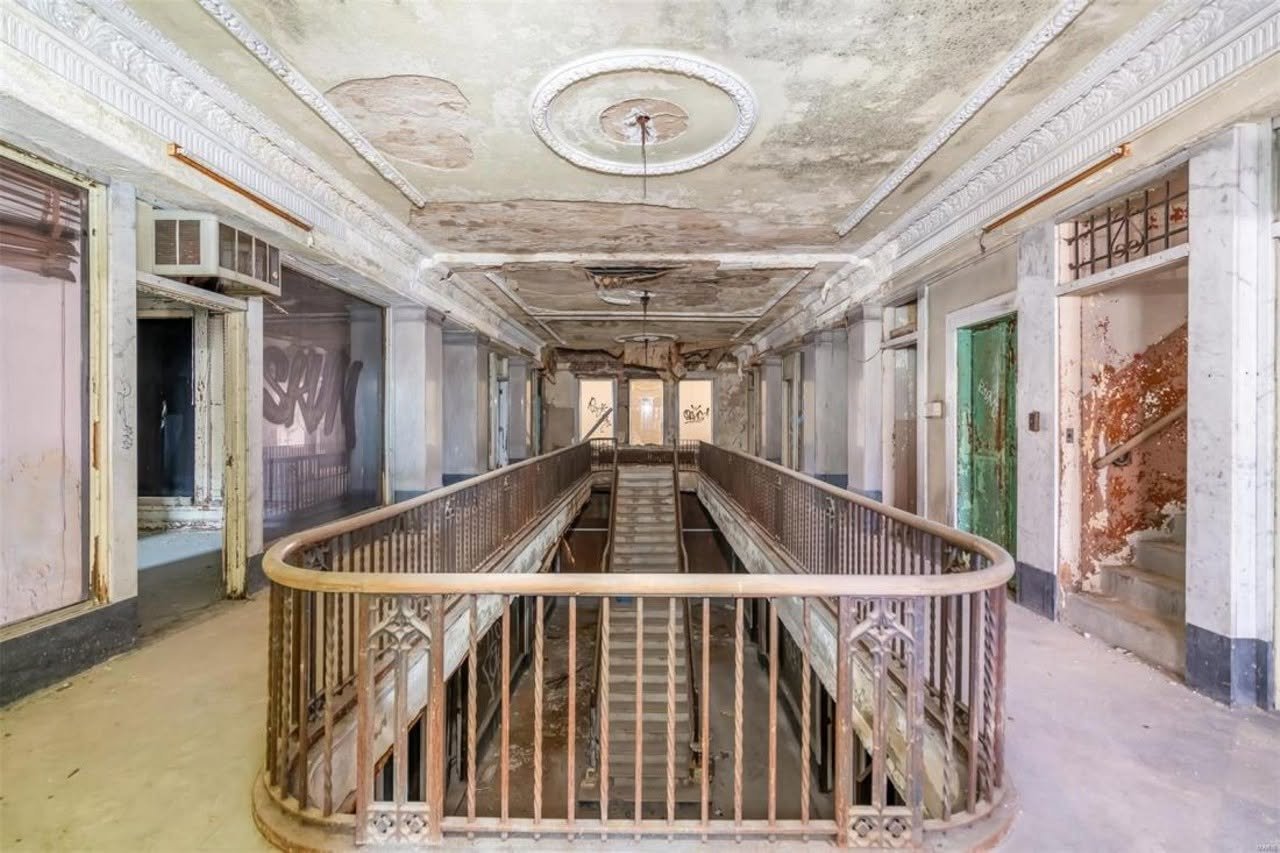
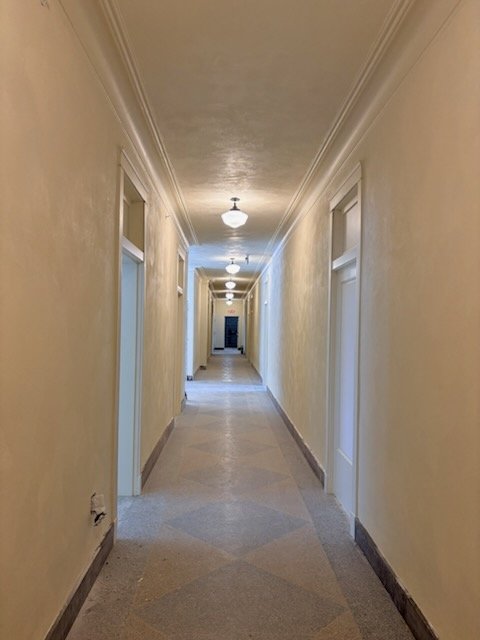
But people never really gave up on it. It was too prominent. Too recognizable. And, perhaps most importantly, too architecturally special to simply walk away from. Despite years of vacancy, much of the building's historic character remained remarkably intact. Original interior doors, marble, granite, terra cotta, decorative plasterwork, cast-iron railings, light fixtures, terrazzo floors and original windows are all still there. Some removed pieces of the historic facade had even been carefully stored in the basement.
The challenge was figuring out how to make the redevelopment financially possible. The building's relatively small footprint limited the number of apartments that could be created, while neighborhood rents weren't high enough to support a conventional redevelopment. But those same circumstances made the Grandview a strong candidate for affordable housing supported by low-income housing tax credits. And because so much of the historic character remained, the project could also take advantage of historic tax credits. Put those pieces together, and a long-awaited opportunity finally emerged.
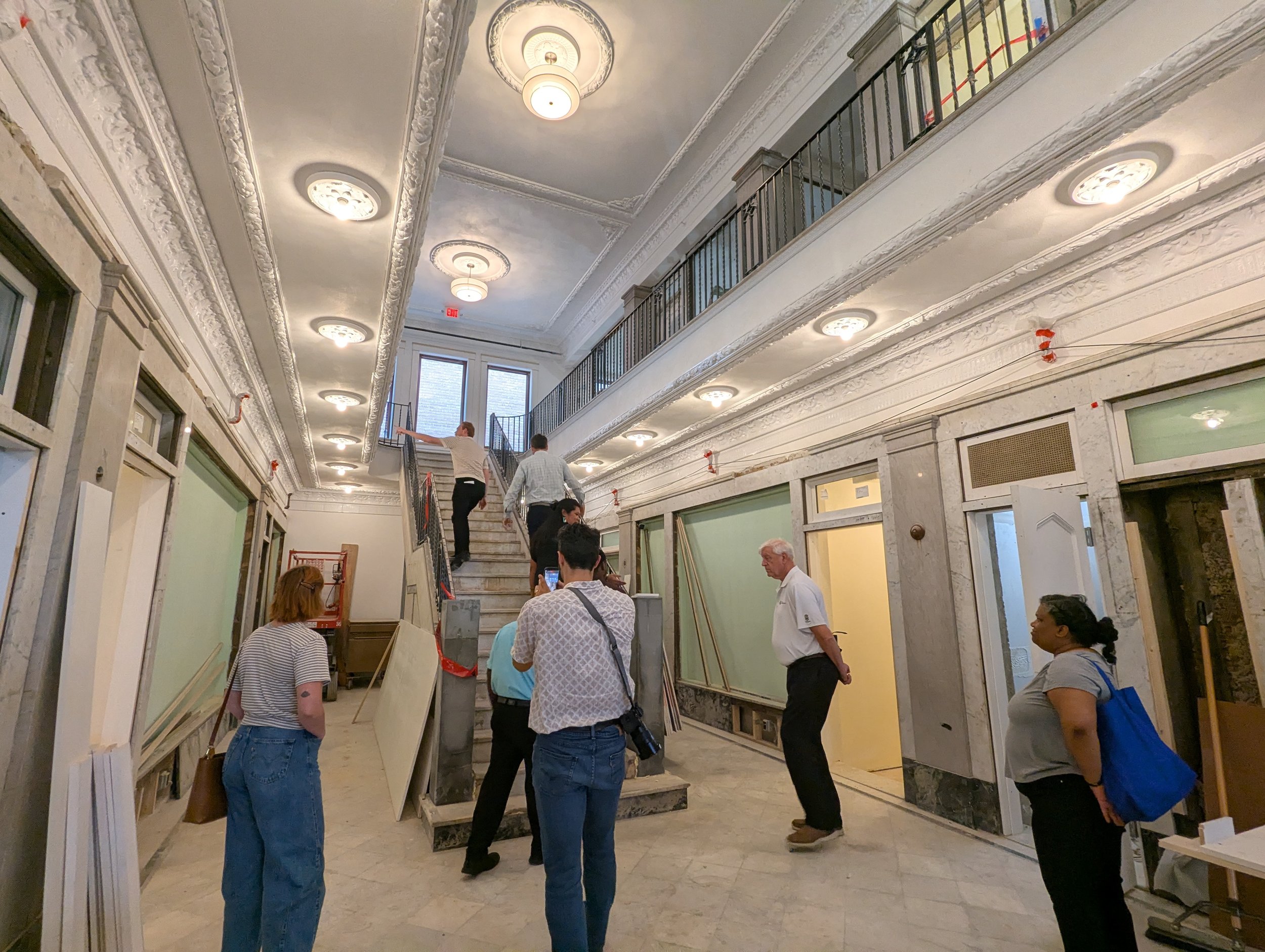
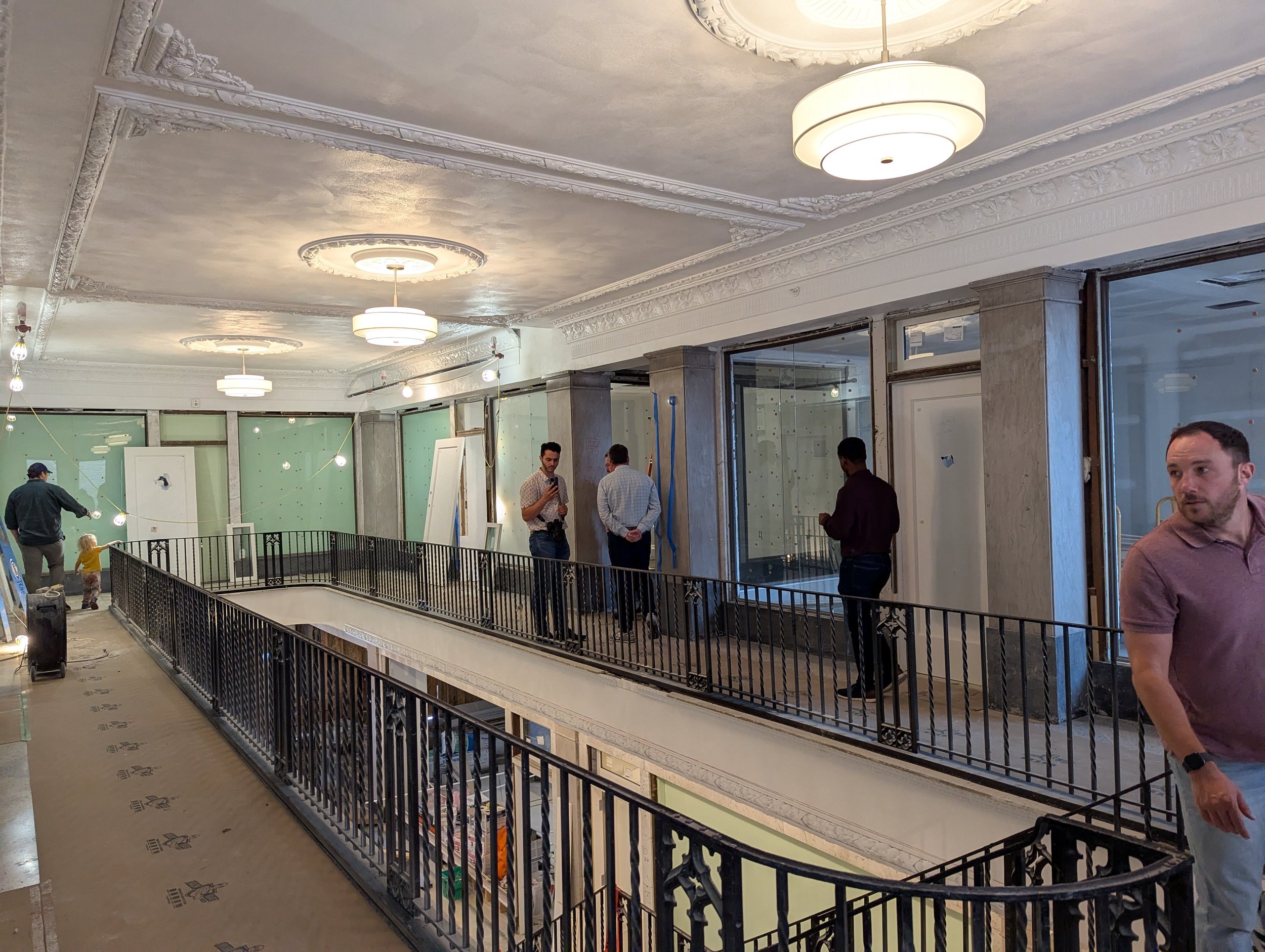
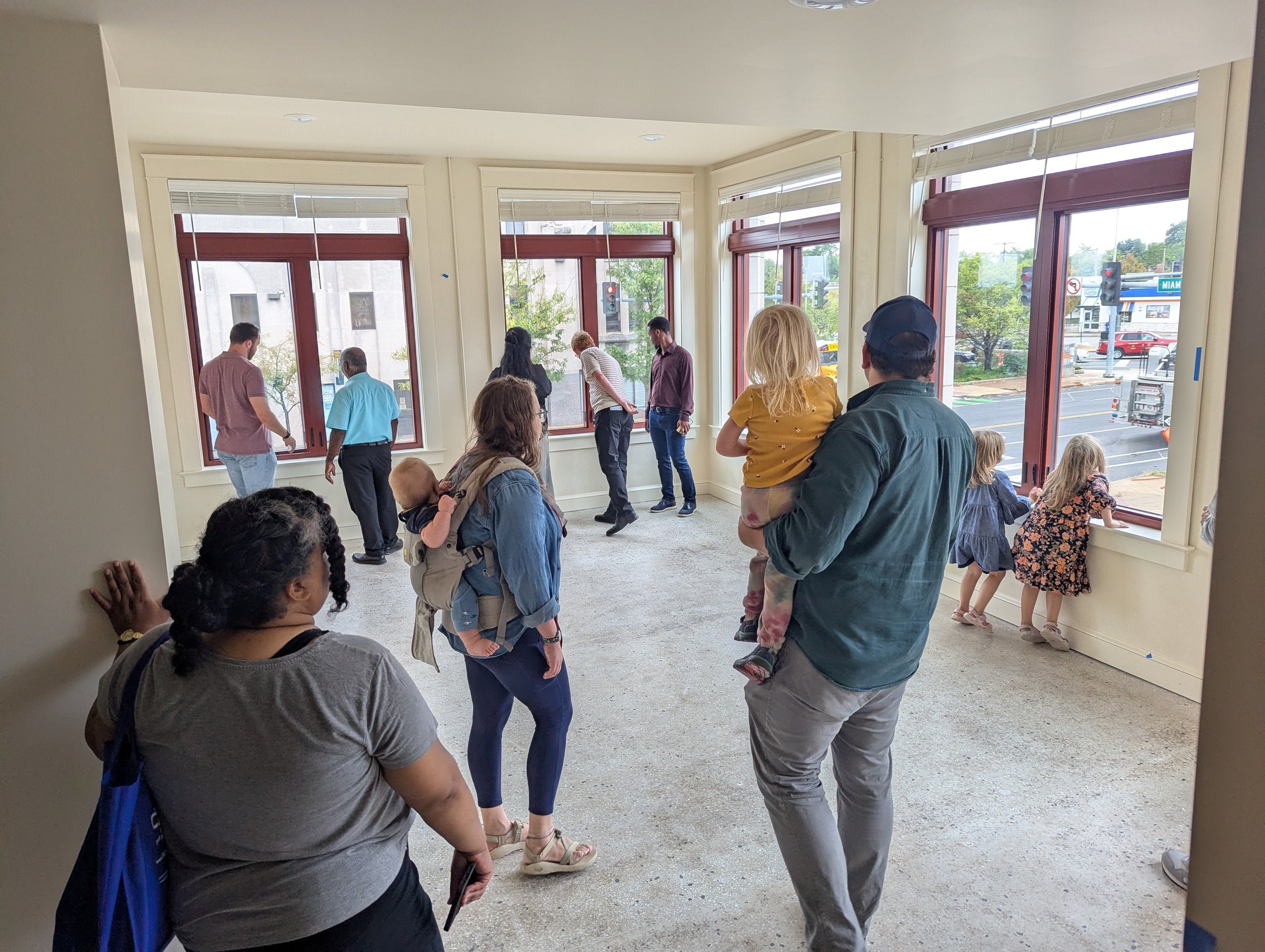
LDG and Rise acquired the property in late 2022 and incorporated it into Marquette Homes. What had once seemed like a difficult building to save suddenly had a path forward. By May 2026, the difference was striking. The dusty, abandoned interior was gone. Framing had gone up. Workers were installing wiring, insulation and new finishes. Exterior repairs were underway. The building was full of activity.
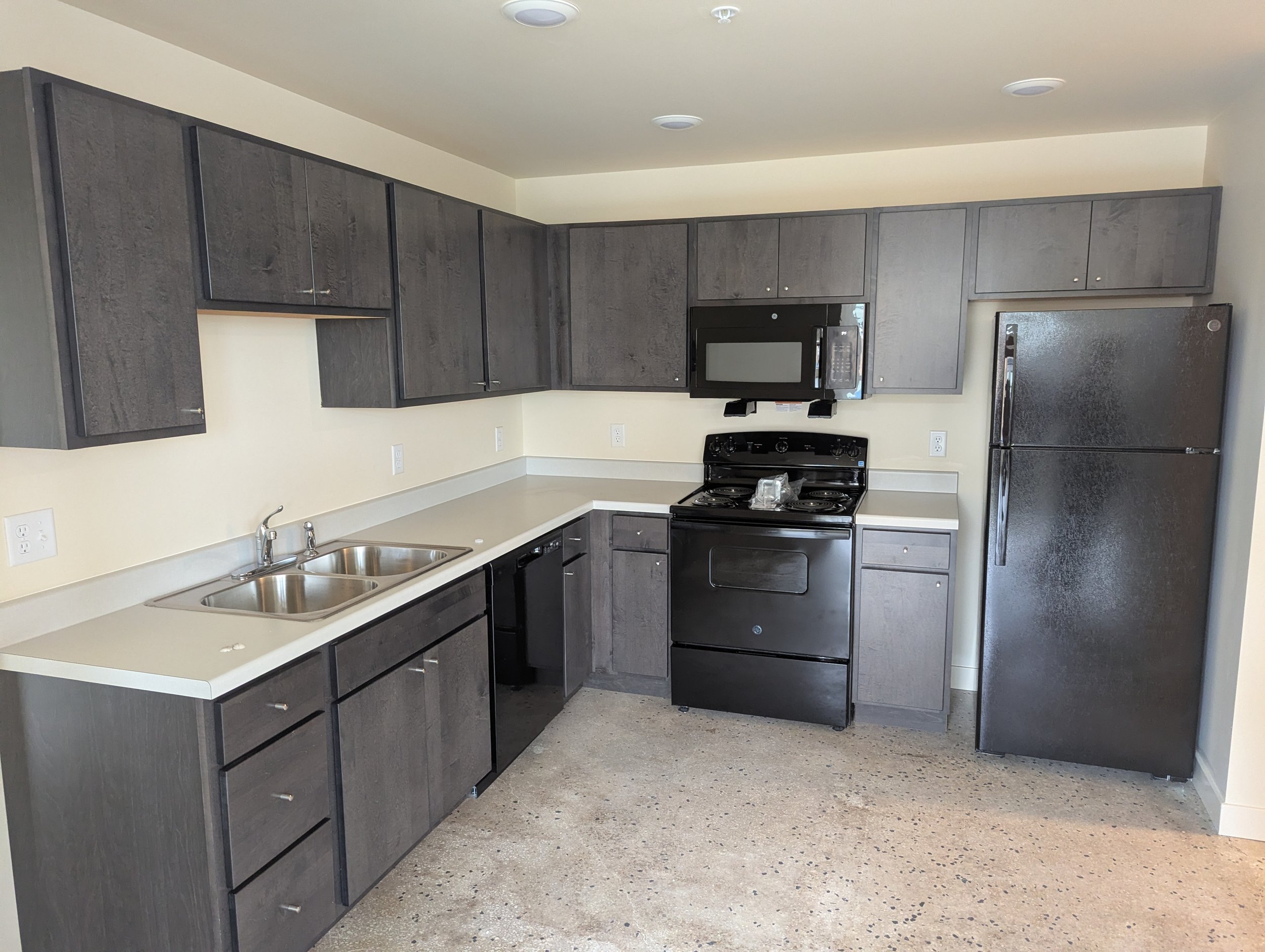
Soon, the Grandview will contain approximately four commercial spaces, shared restrooms and breakout rooms for commercial tenants, along with 16 affordable apartments: three one-bedroom, ten two-bedroom and three three-bedroom units. Two ADA-accessible apartments will be located on the first floor, while the remaining homes will occupy the upper floors.
The historic building is not being stripped of what made it special. Large new windows, recreated to match the originals, fill the apartments with natural light. Historic marble and terrazzo remain in the arcade. Original doors and architectural details are being restored wherever possible. Even some of the pieces that were lost are coming back with new technology! Years of deterioration resulted in the loss of portions of the exterior terra cotta, while historic plasterwork was damaged. To recreate those details, the project team took molds from surviving pieces and used them to create new replacements through 3D printing.
Old craftsmanship is essentially providing the blueprint for new craftsmanship. 💚 The result will be a building that looks toward the future without forgetting where it came from. #sankofa
The 16 apartments will be reserved for households earning 30% and 60% of area median income, bringing new affordable housing into a building that has been part of South Grand for more than a century. Floors need additional restoration, historic doors need to be finished, some storefront glass needs to be installed, and a few apartments still need their kitchens, appliances and final touches. But after all those years of sitting empty, the Grandview Arcade is no longer waiting. It is becoming a home again. And that is worth celebrating.
Because projects like this don't happen because one person or one organization decides to save an old building. They happen because developers, architects, contractors, public partners, community organizations and residents all find a way to make the pieces fit together. The Grandview Arcade has already had many lives: the Melba Theater, offices, retail, Pizza A-Go-Go, and then years of vacancy. Now, thanks to the work of partners including Lutheran Development Group, Rise Community Development, CORE10 Architecture, E. M. Harris Construction Company and the City of St. Louis Community Development Administration, it is getting another one. And after waiting so long, it is exciting to see this South Grand landmark coming back to life.
Here’s a little more history of the site, courtesy of Our St. Louis History:
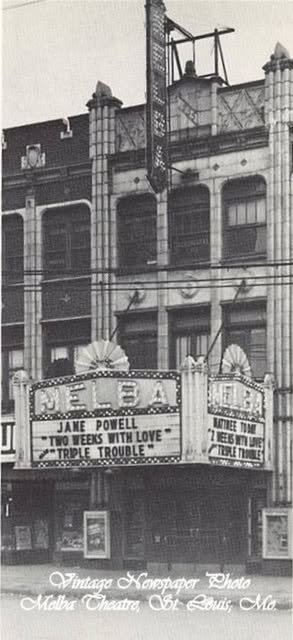
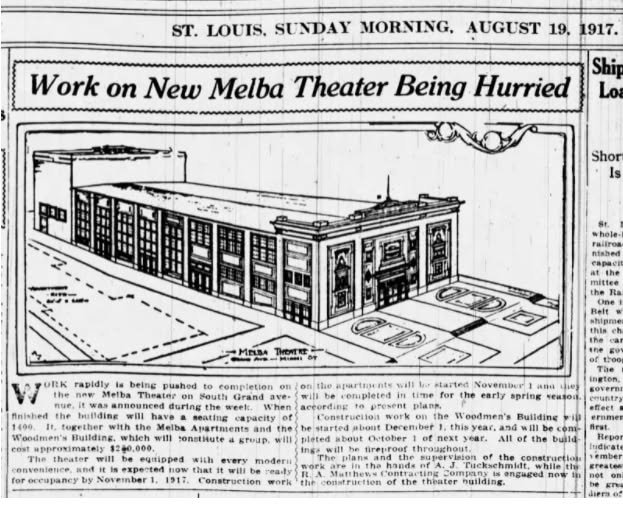
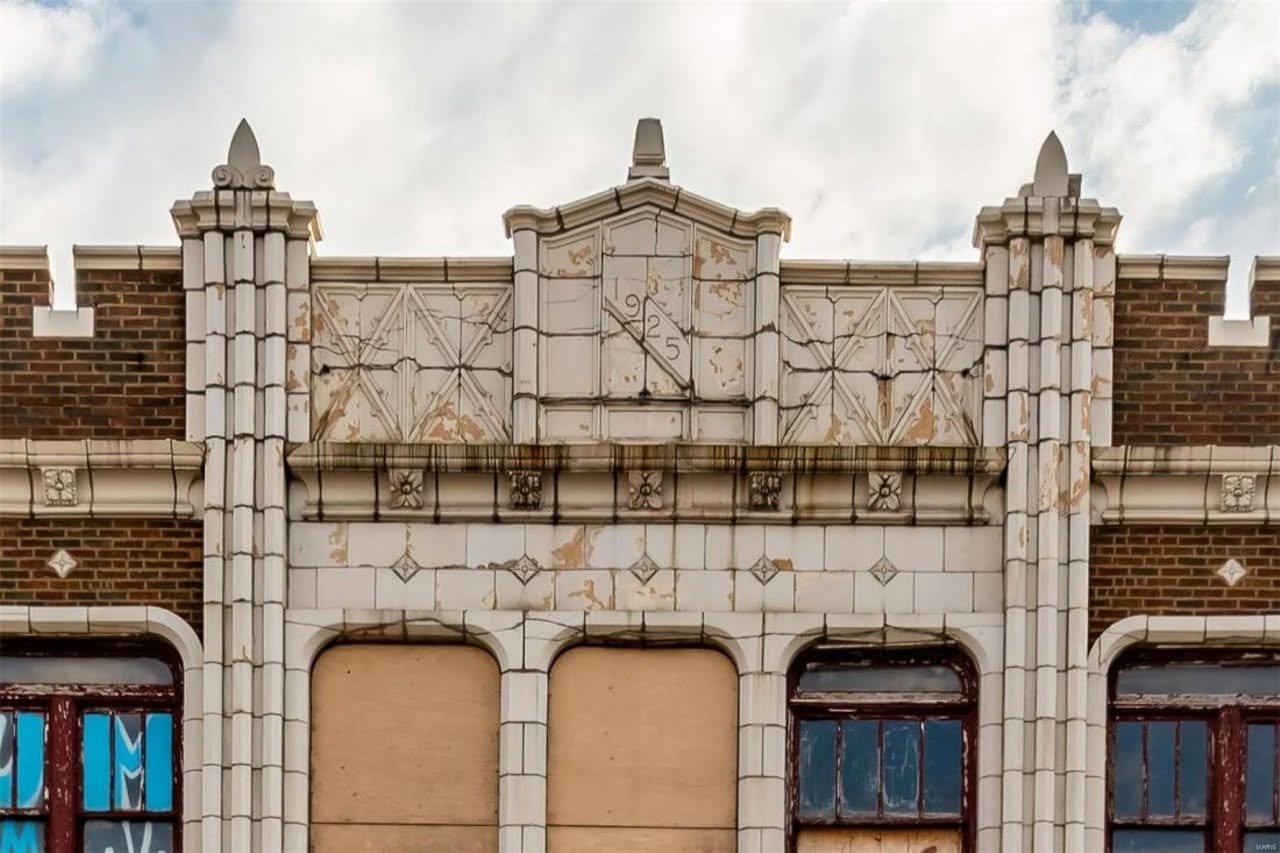
Photo source: Riverfront Times
The Melba Theatre & Grandview Arcade building at 3608 S Grand Blvd in the Gravois Park Neighborhood
Formerly the entrance to the Melba Theatre, the Grandview building once held an arcade that featured interior retail on two levels as well as street facing retail.
The Melba Theatre opened on November 29, 1917. After adding a long succession of neighborhood houses, Fred Wehrenberg acquired the Melba Theatre. The 1,190-seat house on Grand Avenue had an airdome next to it, and during warm evenings shows would be stopped in the auditorium and the film reels were carried to the airdome. The movie would then continue in the cooler outdoors.
When built in 1917, the Melba Theatre had a park in front of it. The theater was later acquired by Fred Wherenberg who opened his first theater nearby on Cherokee Street in 1906. In 1925, an ornate terra cotta clad 29,530 square foot building was designed to serve as the entrance to the existing Melba Theatre building located directly behind the Grandview Arcade. The arcade led to the lobby of the theater. The theater was torn down in 1964 after a fire, and apartments now stand behind the Grandview Arcade. When the theater was removed, the Grandview building remained. The marquee was moved to the Melba Theatre in DeSoto, Missouri, another theater acquired by the Wehrenberg chain.
The Lawrence group, which developed the South Side National Bank building across the street, purchased the property in 2005 with plans for retail on the ground floor and residential above, but the development never materialized.
In 2018, Garcia Properties announced their acquisition of the Grandview Arcade Building and its stylish original details like the granite and terracotta exterior, marble staircase, iron railings and terrazzo floors. Most all of the granite and terra cotta pieces missing from the facade have been numbered and stored in the basement of the building. The first floor lobby arcade up to the second floor has some pretty well preserved white marble covering most surfaces. The second and third floor woodwork, and doors with transoms, are also in good shape.
Garcia's plans included the first floor being used for live/work spaces. The historic shops in the arcade will be turned into 8 or 9 single-room commercial office suites with shared restrooms and utilities, and the remainder of the 2nd floor and the entire 3rd floor will be occupied by about 12 market rate apartments. Garcia anticipated completion in summer 2019.
***The Melba and most of the theatres that bore that name were named after the very popular singer of the early 1900’s, Nellie Melba. She is also famous for the other 2 things named after her, Melba Toast and Peach Melba.
Photos courtesy of Garcia Properties/Riverfront Times
