
UMSL and CBN Lead Home Repair Efforts in St. Louis, Release New Report
For many St. Louis homeowners, the biggest housing challenge isn't finding a home. It's keeping the home they already have.
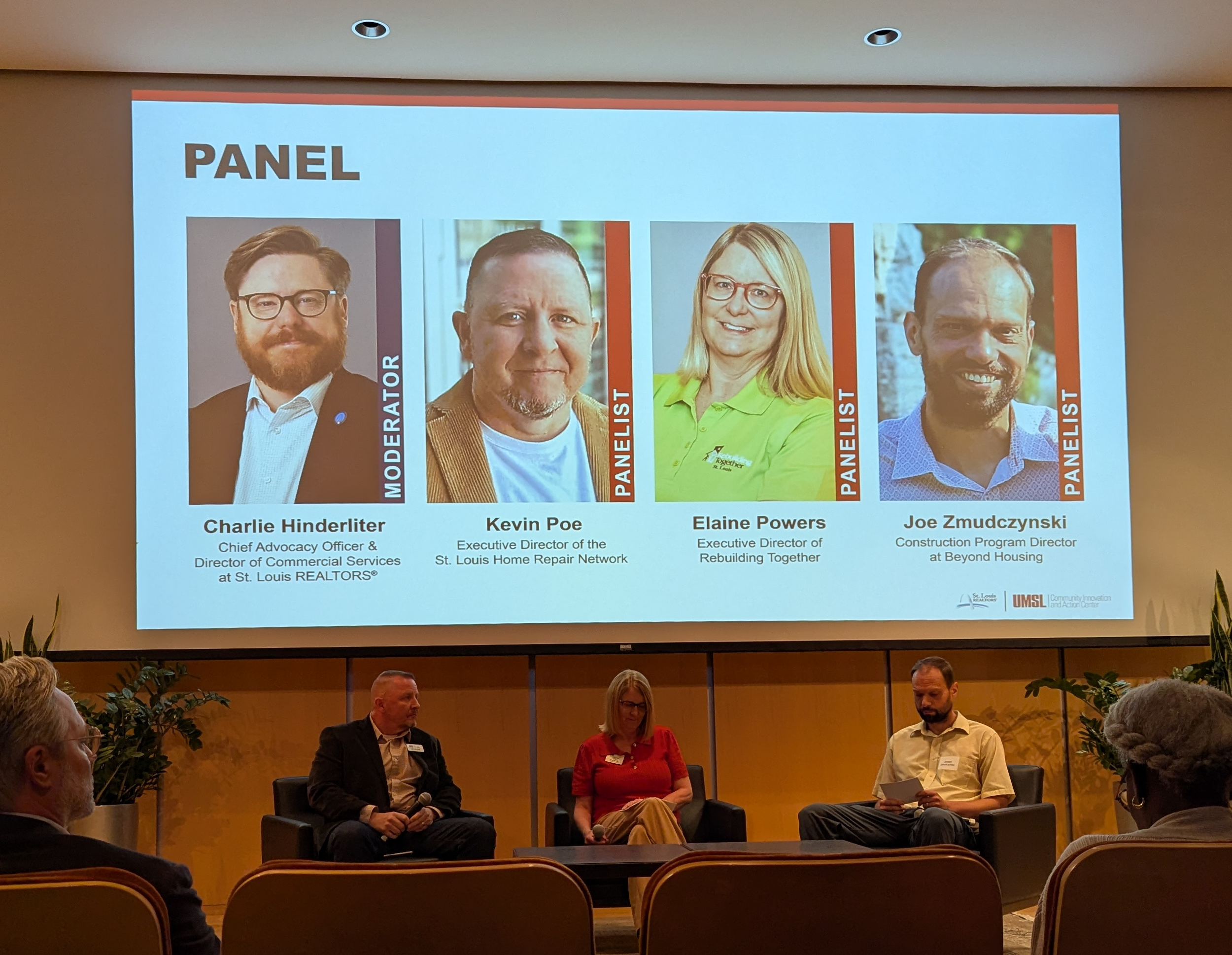
That message was front and center last week as housing and community development leaders gathered at the Donald Danforth Plant Science Center for The Hidden Housing Crisis: Home Repair in St. Louis County, a luncheon hosted by St. Louis REALTORS® and the University of Missouri–St. Louis Community Innovation and Action Center (CIAC).
The event brought together more than 100 housing professionals, nonprofit leaders, policymakers and community stakeholders to discuss a problem that often receives far less attention than new construction or affordable housing development: the growing need to repair and preserve the homes already standing in our communities. At the center of the conversation was new research led by Dr. Todd Swanstrom of UMSL, developed in partnership with St. Louis REALTORS®, Rebuilding Together STL and the St. Louis Home Repair Network.
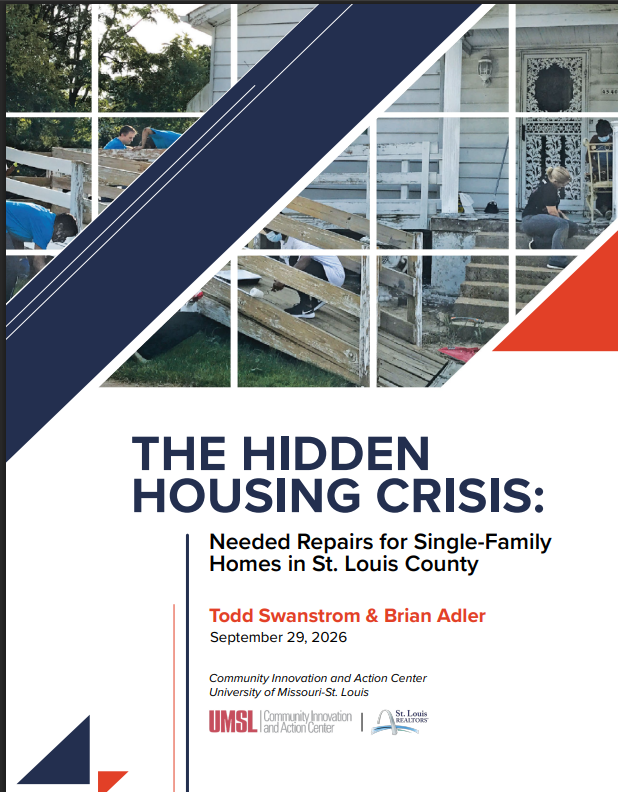
The newly released report, The Hidden Housing Crisis: Needed Repairs for Single-Family Homes in St. Louis County, provides one of the clearest pictures yet of the scale of the region's home repair needs. And the numbers are significant.
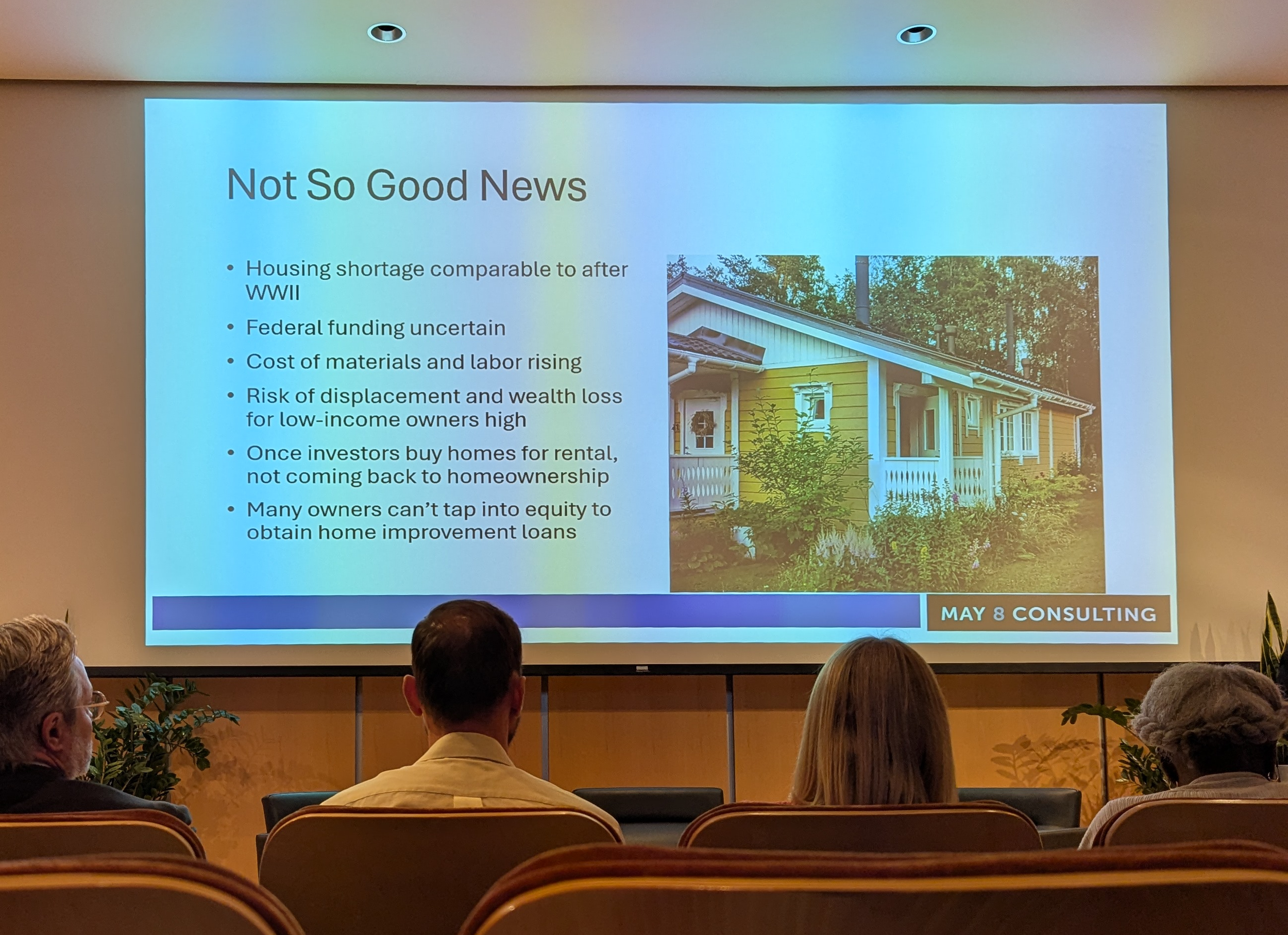
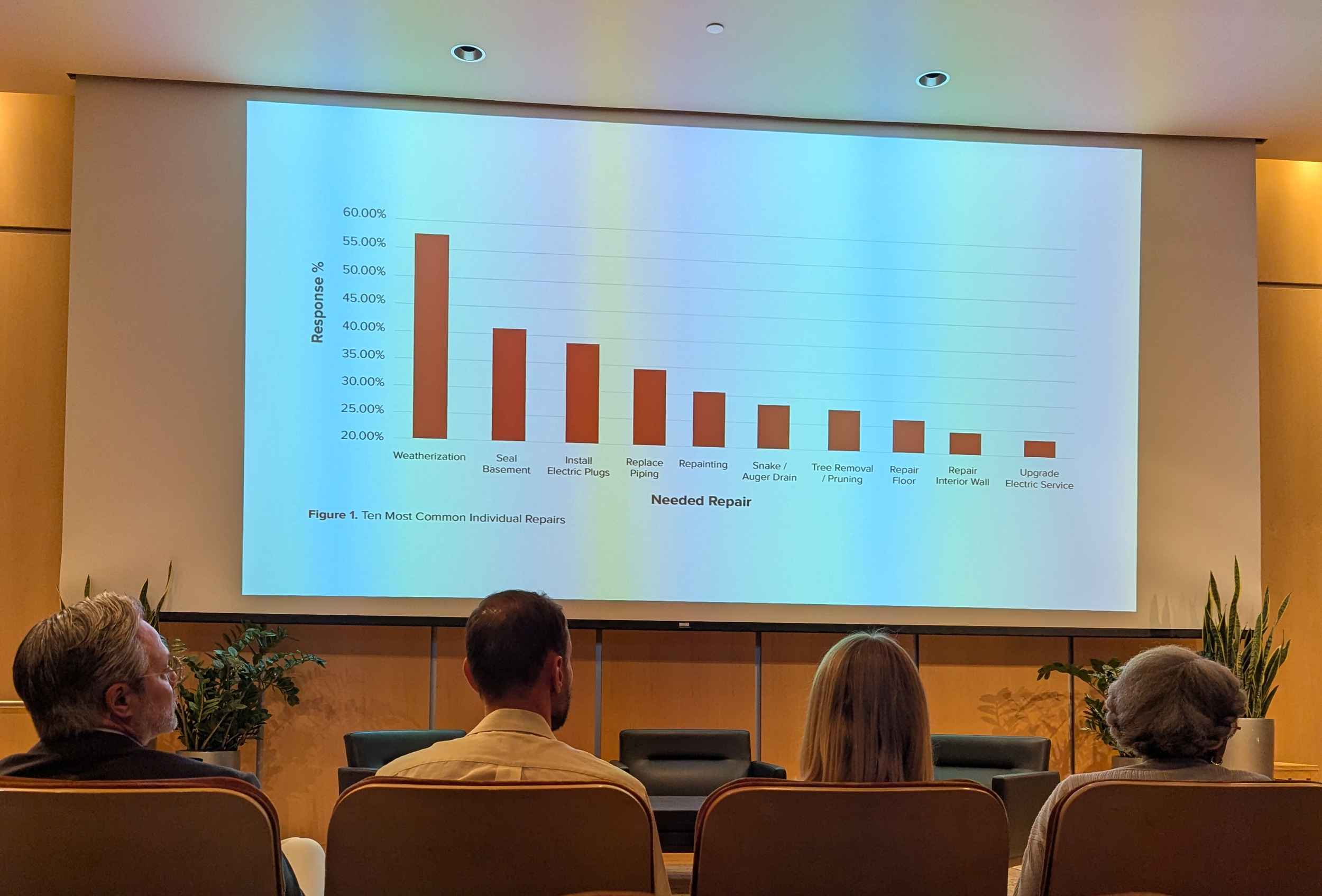
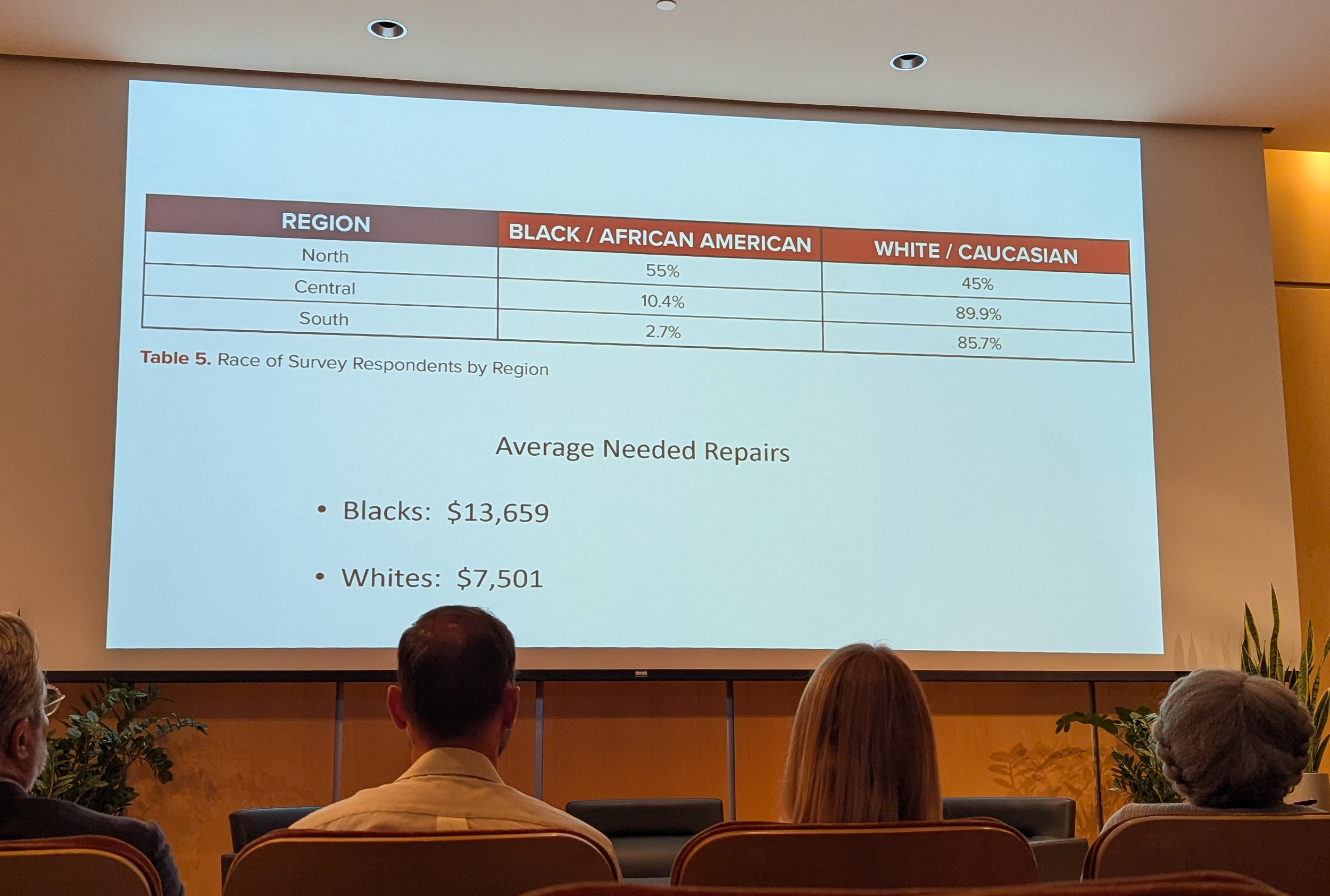
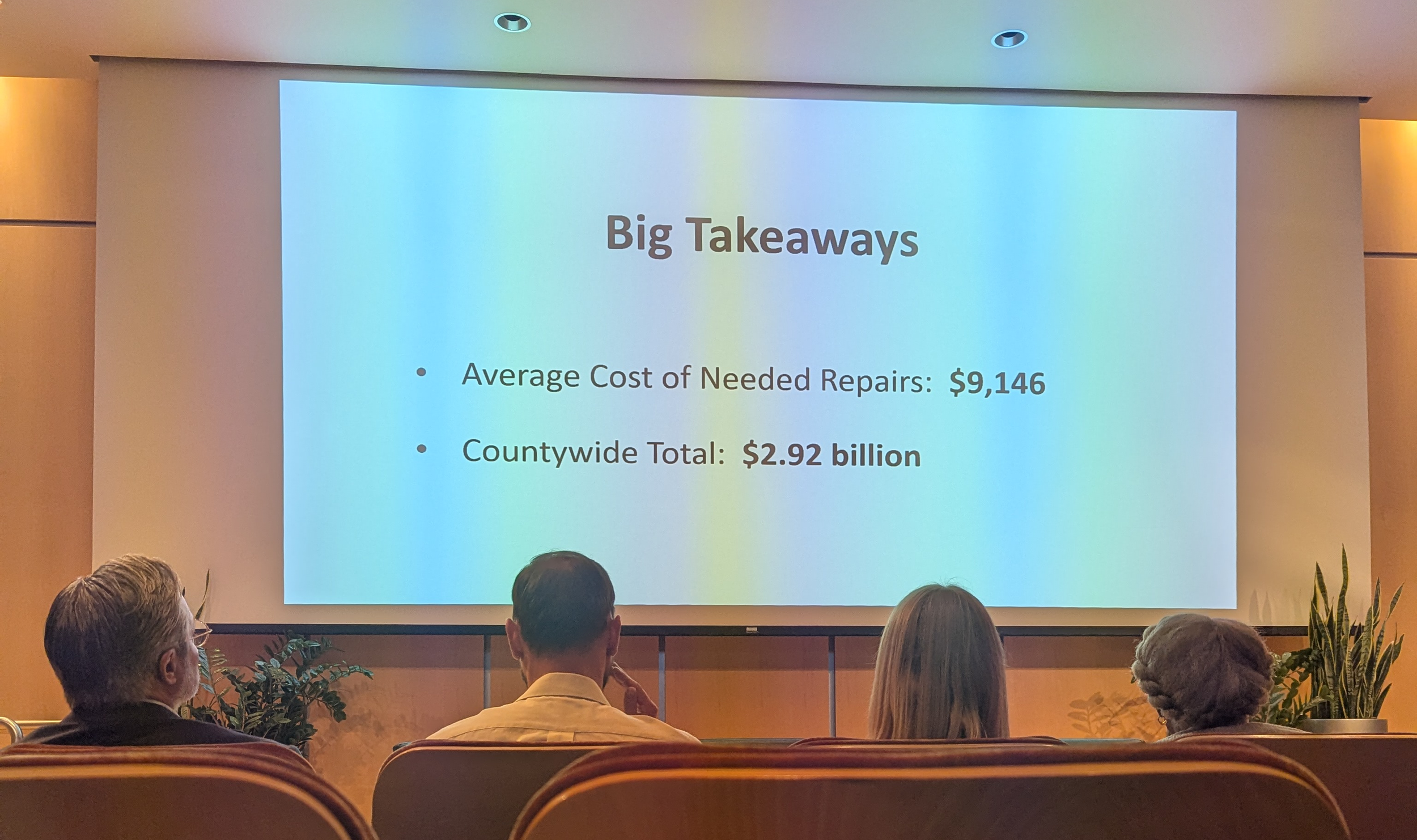
Researchers found that the average single-family home in St. Louis County needs approximately $9,146 in repairs, creating an estimated $2.92 billion countywide repair backlog. About $732 million of that need is among low-income households. The average home in the study is more than 62 years old, and nearly 22% of respondents reported damage from severe weather, including the May 2025 tornado. Weatherization, basement sealing and electrical improvements were among the most common needs.
The report is based on research involving 637 homeowners throughout St. Louis County, providing data that can help local leaders better understand where investment is needed and what is at stake when repairs go unaddressed.
But the gathering wasn't simply about presenting another set of numbers. It was about what happens next.
Turning Research Into Action
Several organizations already working on the ground are helping build the infrastructure needed to respond to the crisis.
CBN partners, St. Louis REALTORS®, UMSL, Rebuilding Together St. Louis and the St. Louis Home Repair Network, are part of a growing network working to bring more attention, resources and capacity to home repair.
Rebuilding Together St. Louis provides everything from smaller safety and accessibility improvements to larger repairs such as roofing, HVAC, electrical, plumbing and tuckpointing when funding and contractor capacity are available.
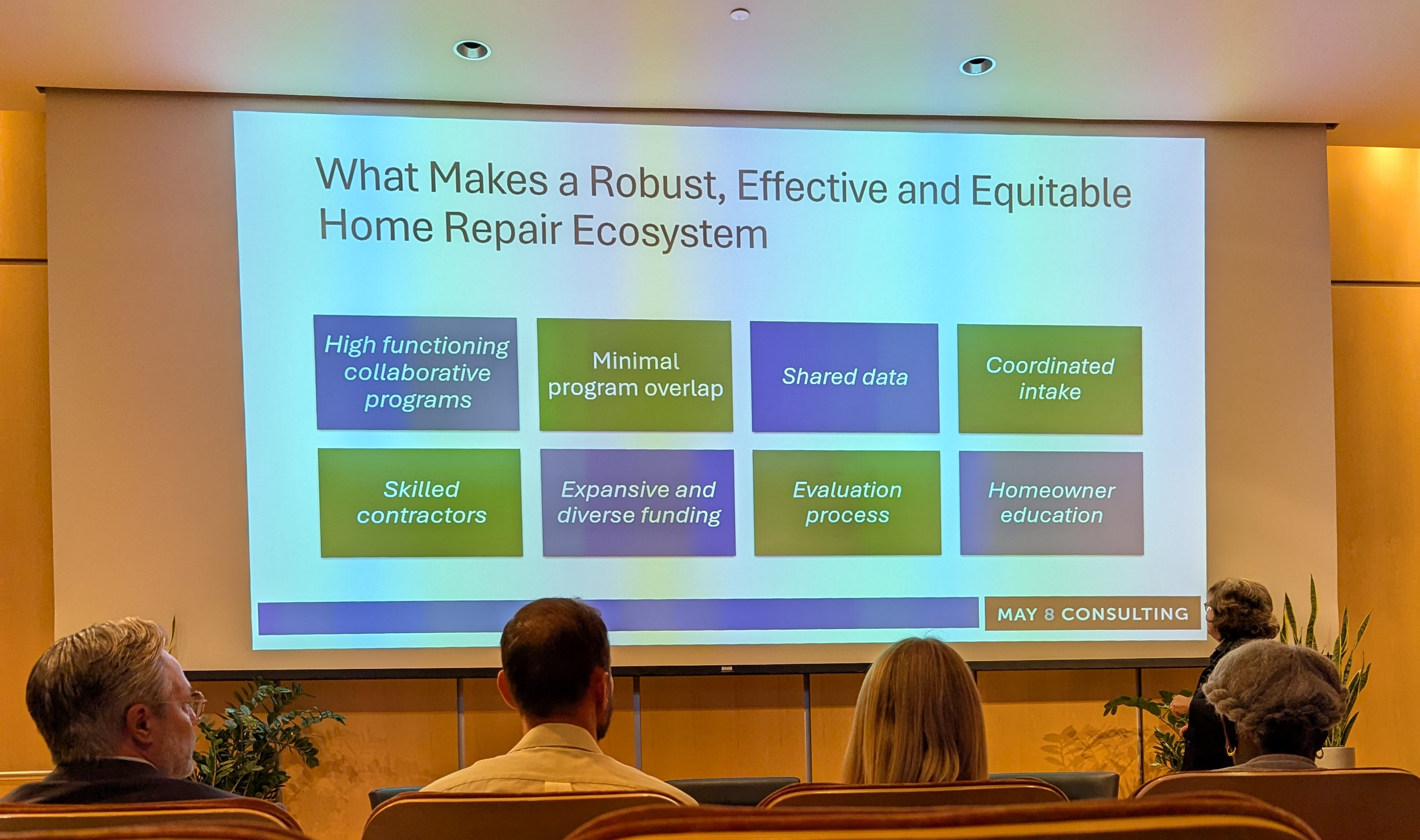
The Home Repair Network is working on another critical piece of the puzzle: building the capacity of the contractors who actually do the work. The Network was created to strengthen the region's home repair ecosystem, address contractor shortages, improve coordination among providers and make it easier for residents to connect with the help they need.
That includes a new contractor capacity-building initiative designed to help local, minority-owned contractors qualify for larger bid opportunities while providing support with registration, insurance, accounting, estimating, banking and access to capital.
Because identifying $2.92 billion in needed repairs is only the beginning. St. Louis also needs the people, organizations, funding and systems capable of completing those repairs.
The Work Is Already Underway
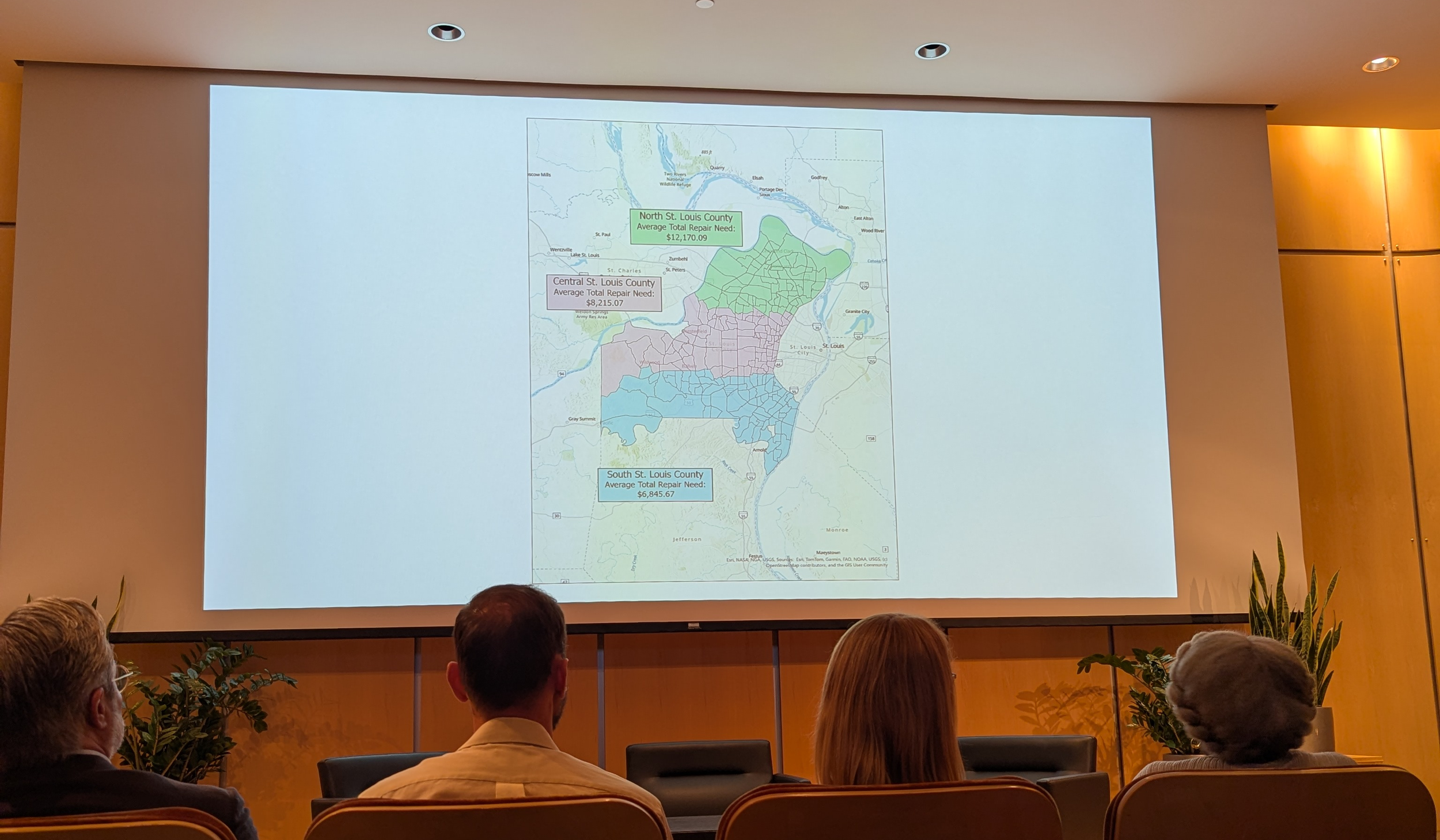
There are already home repair efforts operating across the region. In St. Louis County, the Office of Community Development's Home Improvement Program works with homeowners on rehabilitation of private properties, supported through Community Development Block Grant (CDBG) funding. The County has identified assistance to low- and moderate-income homeowners as a priority for maintaining housing and supporting healthy, sustainable communities.
The County is also administering federal disaster recovery resources following the 2022 flooding. Its CDBG-DR action plan includes $49.065 million for unmet needs and $7.36 million for mitigation, with priorities that include repairing and replacing flood-damaged housing and helping low- and moderate-income households affected by the disaster.
In the City, the Healthy Home Repair Program continues to provide assistance for health and safety repairs for eligible low- and moderate-income homeowners. The program has historically completed roughly 200 repairs per year, although demand has far exceeded available capacity.
The tornado has added another layer of urgency. The City's Private Property Assistance program received more than 3,600 completed applications from tornado-impacted property owners, with requests ranging from home repairs and stabilization to debris removal and demolition. The City reported that demand for repair and stabilization assistance exceeds currently available resources.
Together, these efforts demonstrate that the region isn't starting from scratch. But the new research makes clear that the scale of the challenge is much larger than any one program can handle.
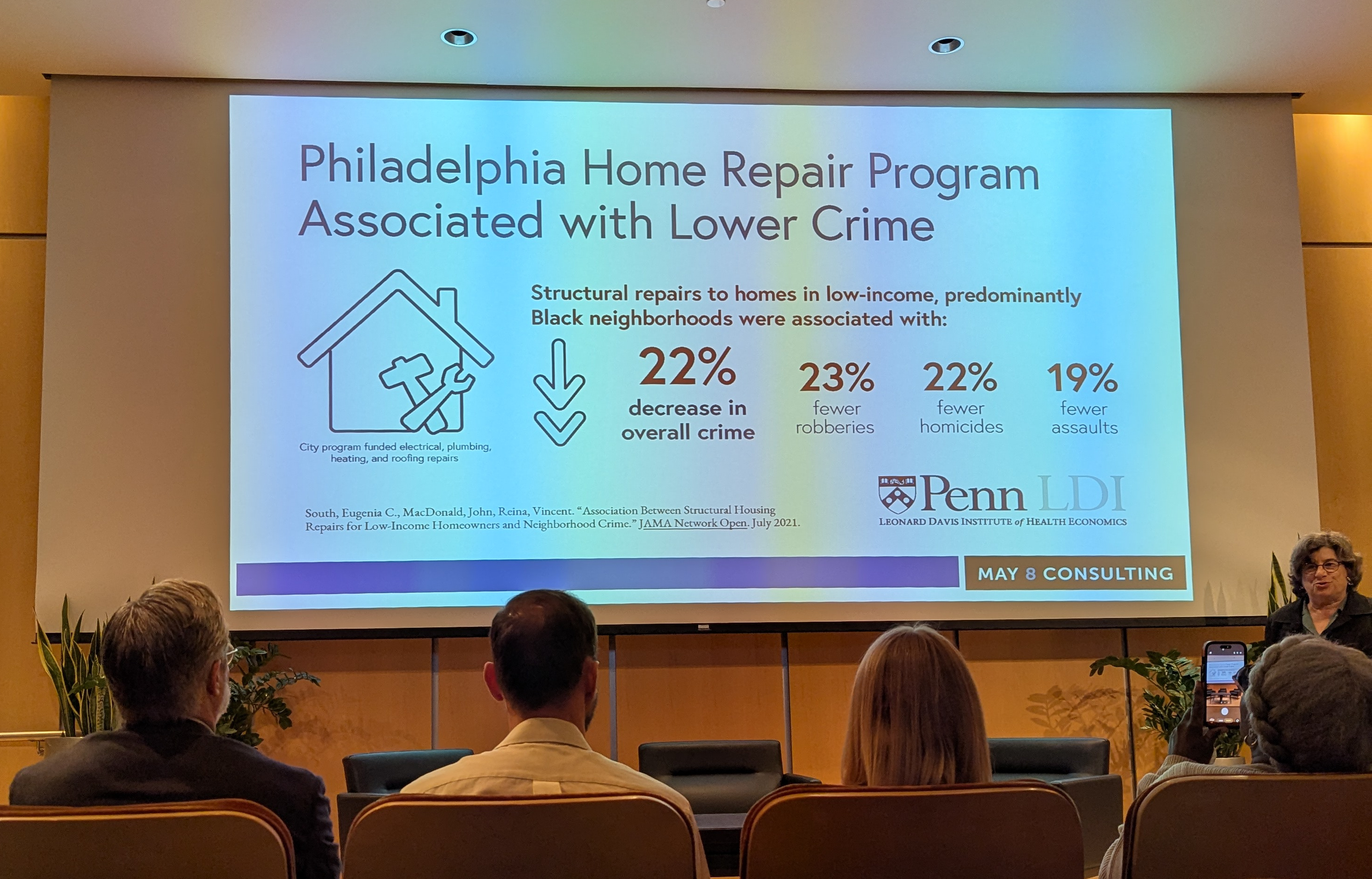
From St. Louis to Atlanta
The conversation isn't stopping at the Danforth Plant Science Center. Members of St. Louis' home repair community are in Atlanta for the 2026 ReFrame Conference, the national conference for home repair programs hosted by the Coalition for Home Repair.
This year's ReFrame Conference has a particular emphasis on collaboration, capacity and developing practical solutions that can strengthen and expand home repair programs. The conference's Home Repair Solutions Lab is designed to move beyond discussion and have participants work together on some of the field's biggest challenges.
For St. Louis, that national conversation comes at an important time. The region now has new research showing the magnitude of its home repair needs, a growing network of organizations working to address those needs, and local partners focused on everything from homeowner assistance to contractor capacity.
The question is no longer whether there is a home repair crisis. The data makes clear that there is.
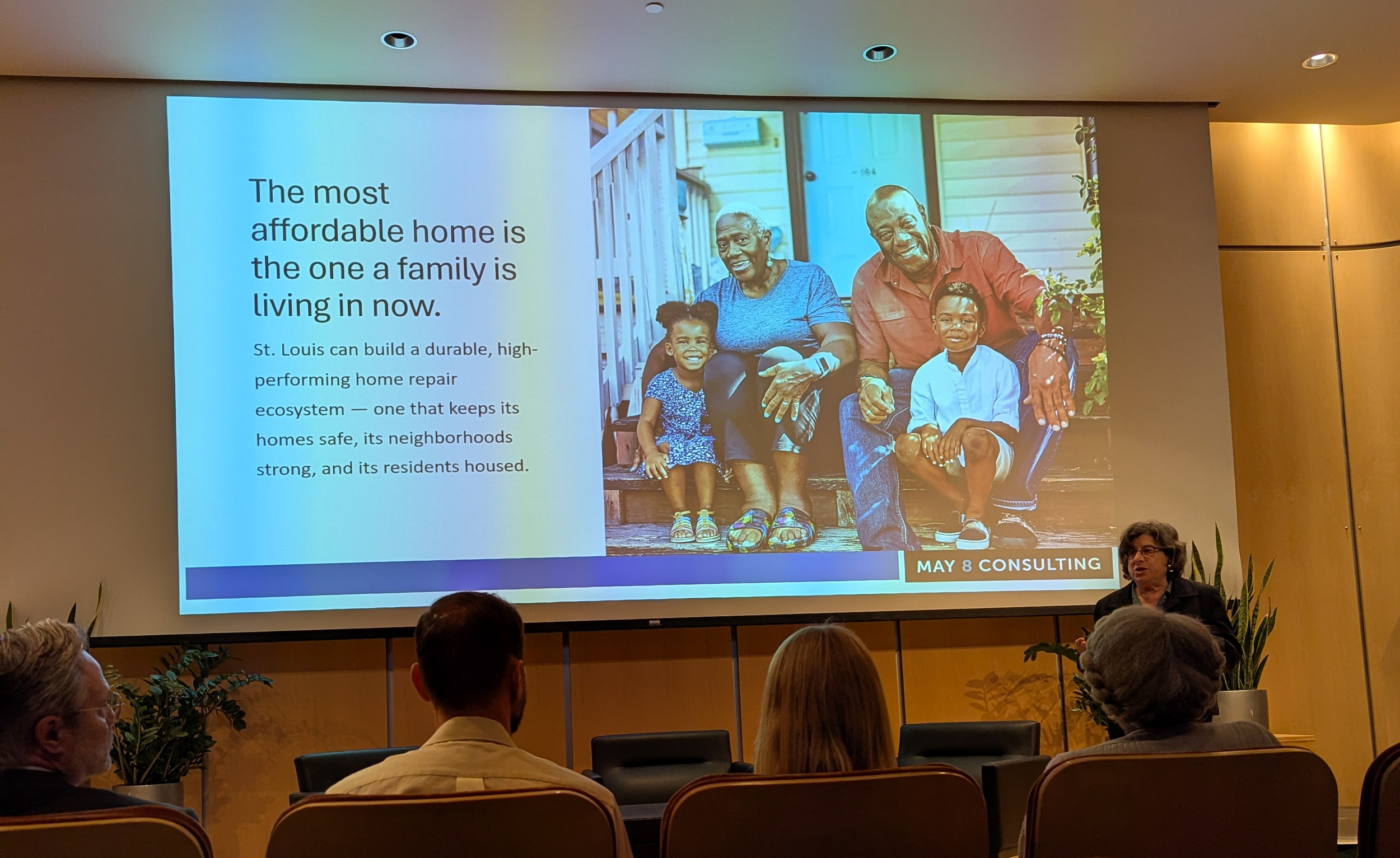
Now the work is figuring out how St. Louis can build the capacity, funding and partnerships necessary to meet it. And that work is already happening. Because preserving a home can mean preserving much more than a building.
It can mean preserving affordability, stability, neighborhood connections, health and the wealth a family has built over generations.
