
CBN Participates in National Community Climate Shift Convening in Minneapolis
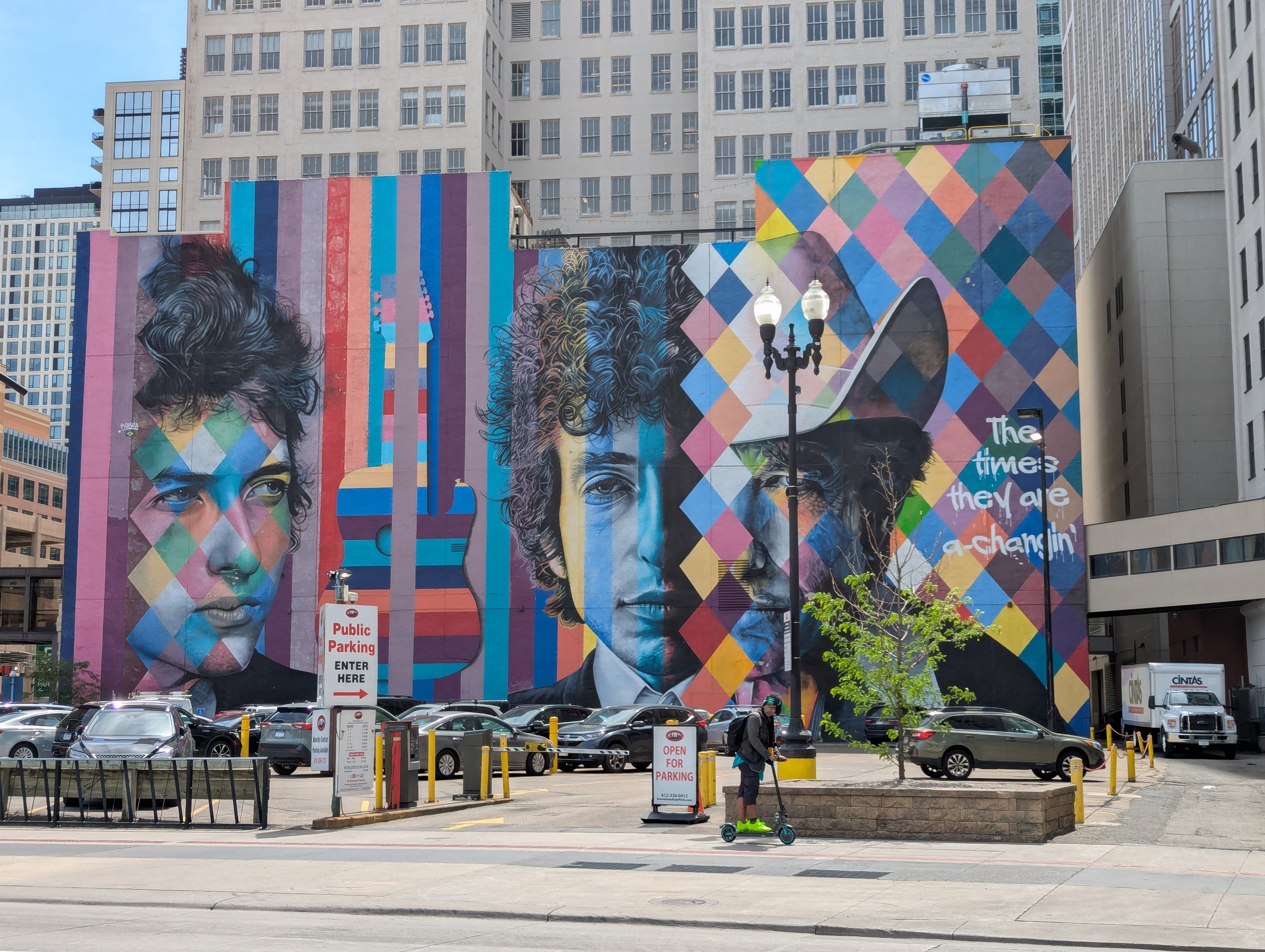
CBN staff recently joined community leaders, local governments, technical assistance providers, and climate justice advocates from across the country at the 2026 Community Climate Shift (CCS) Convening in Minneapolis. Hosted by the People's Climate Innovation Center and the Indigenous Roots Cultural Arts Center, the annual gathering brought together partners working at the intersection of equitable decarbonization, community-driven development, and climate resilience.
Over the past five years, Community Climate Shift has helped transform how communities engage in building performance standards, energy efficiency initiatives, and other climate policies by ensuring frontline residents and community-based organizations have a meaningful role in shaping solutions. The initiative has reinvested more than $3 million into community-led efforts across 18 cities, counties, and states nationwide, supporting local leadership and advancing equitable climate action. This year's convening focused on strengthening partnerships, reflecting on lessons learned, and developing a shared five-year vision for the future of community-centered climate and energy work. We engaged in collaborative planning sessions, peer learning opportunities, and site visits highlighting innovative approaches to energy resilience and community development.
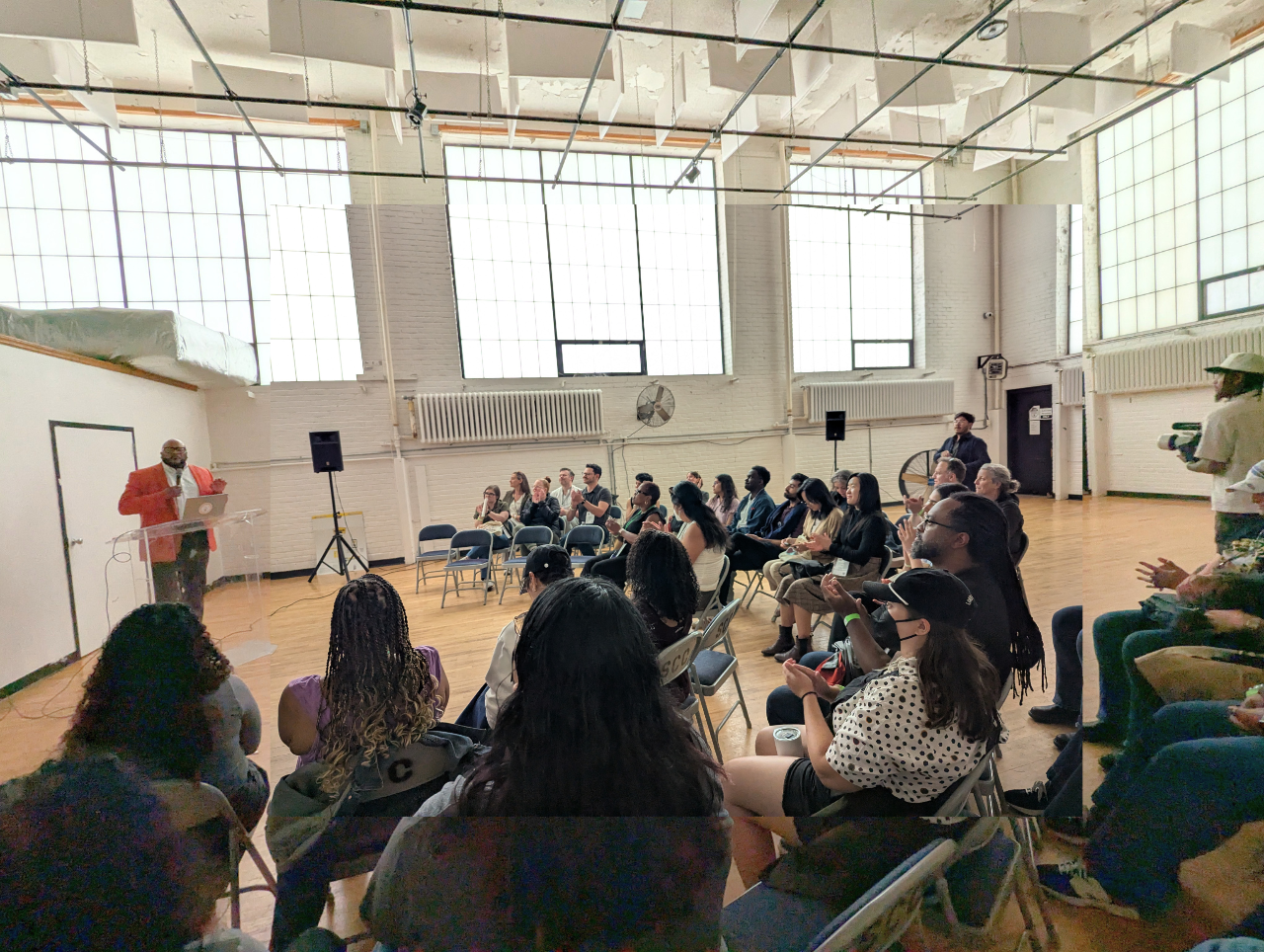
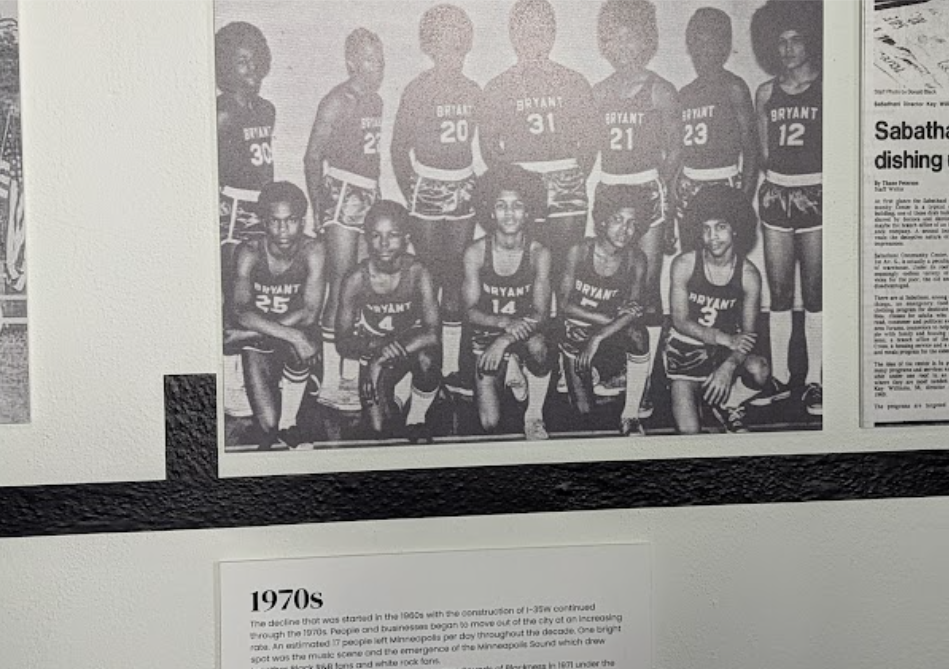
Sabathani Community Center (former middle school attended by 'Prince' Rogers Nelson)
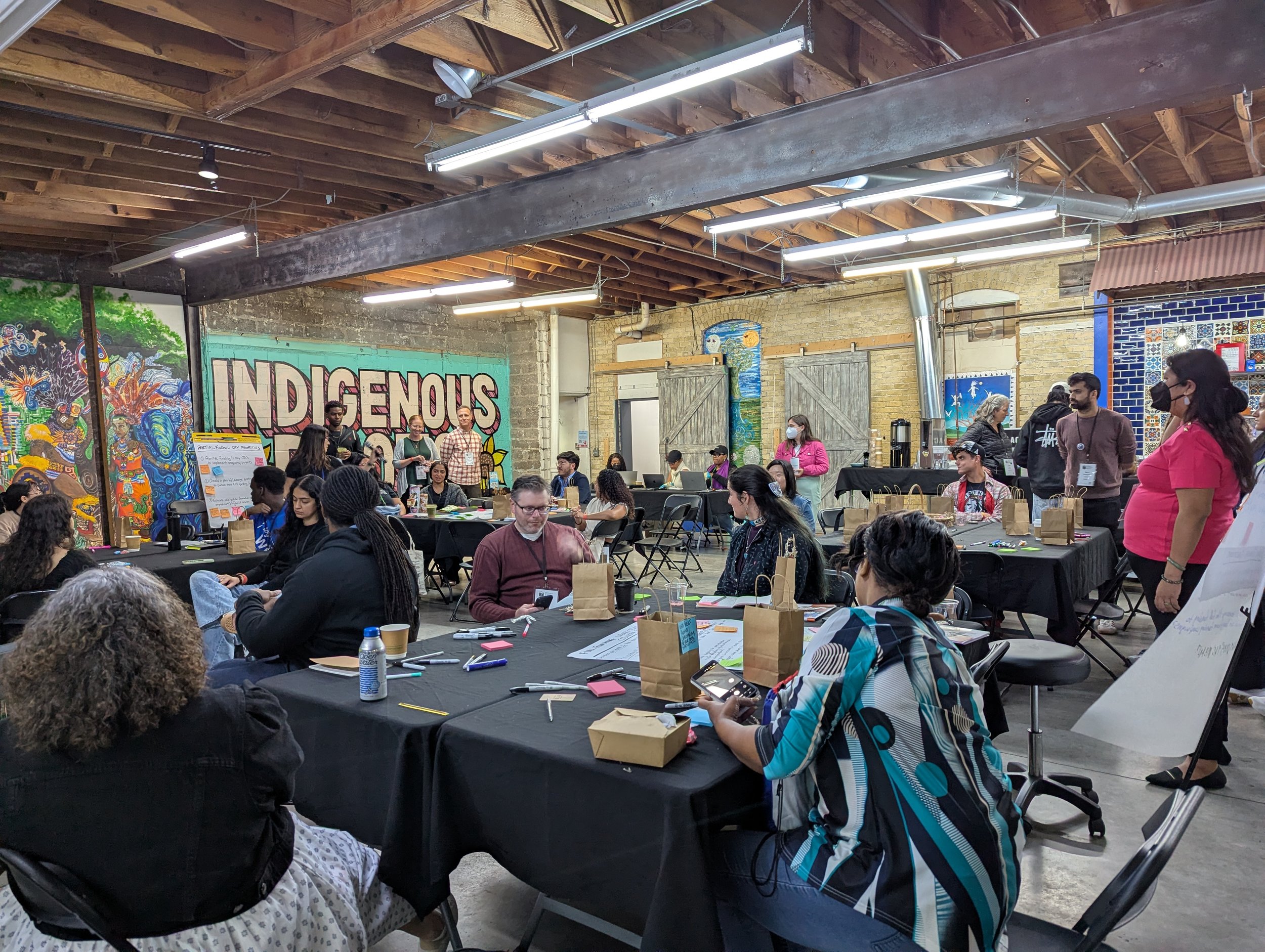
Indigenous Roots Youth Enterprise
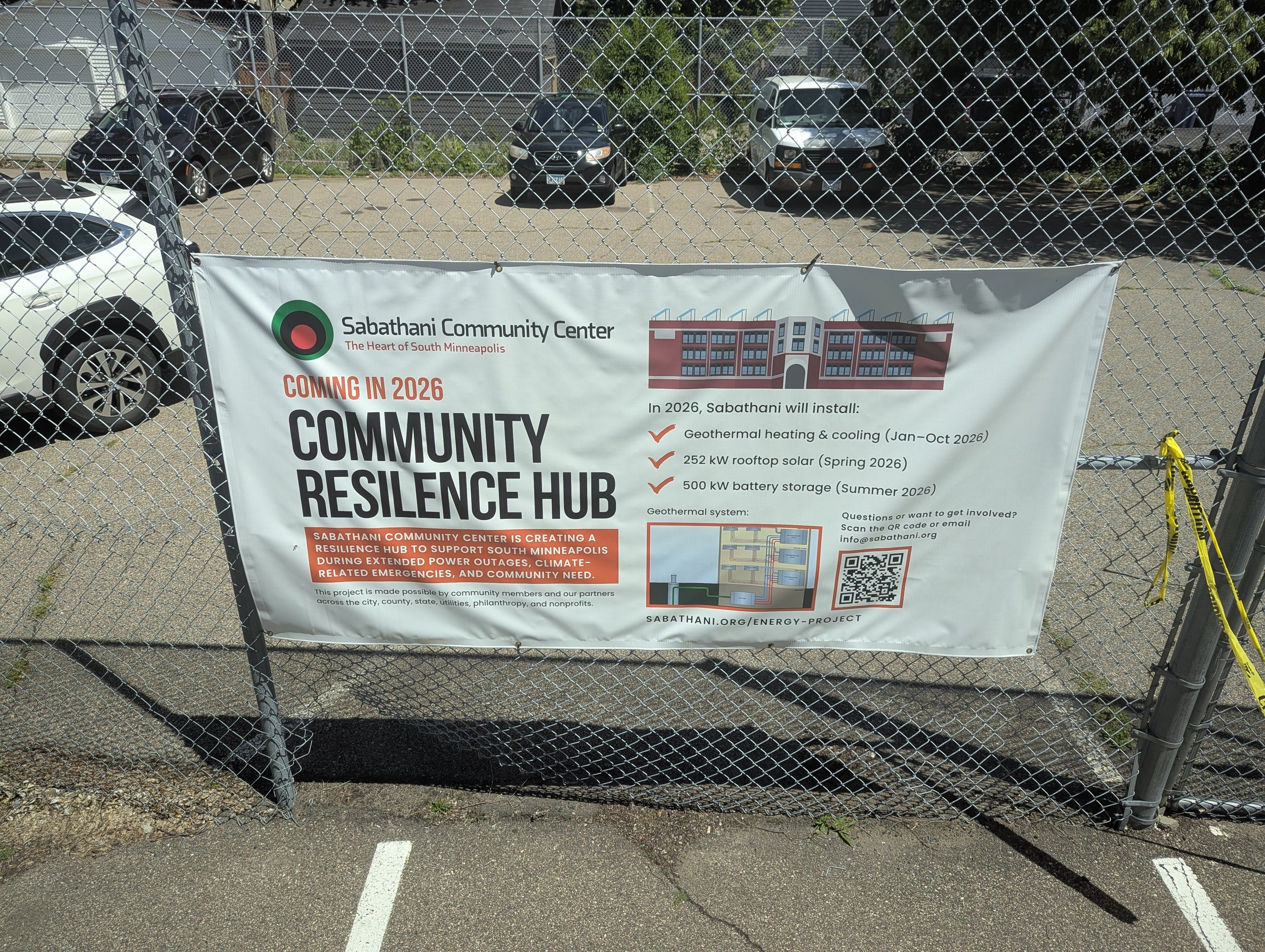
During our site visit to Sabathani Community Center(former middle school attended by 'Prince' Rogers Nelson), we learned about innovative community-owned clean energy projects being developed by Cooperative Energy Futures (CEF). In addition to small-scale solar, CEF partners highlighted the environmental justice opportunities and challenges of deploying district geothermal systems in historically disinvested communities. While geothermal energy can eliminate reliance on natural gas, improve indoor air quality, reduce asthma and respiratory health risks, stabilize energy costs, and provide carbon-free heating and cooling, successful implementation requires significant community engagement and in-home work, but also workforce development. CEF's cooperative ownership model is designed to ensure that the financial benefits and decision-making authority remain within communities rather than with utility companies or outside shareholders. They currently manage 13 megawatts of solar with over 1,400 member-owners and $35m in financing. The organization is working toward an ambitious "35 by '35" goal of retrofitting 35,000 homes, businesses, and community buildings across the Twin Cities region by 2035 through a combination of geothermal systems, energy efficiency upgrades, electrification, and community-owned renewable energy projects, with a focus on ensuring historically marginalized communities benefit from the clean energy transition.
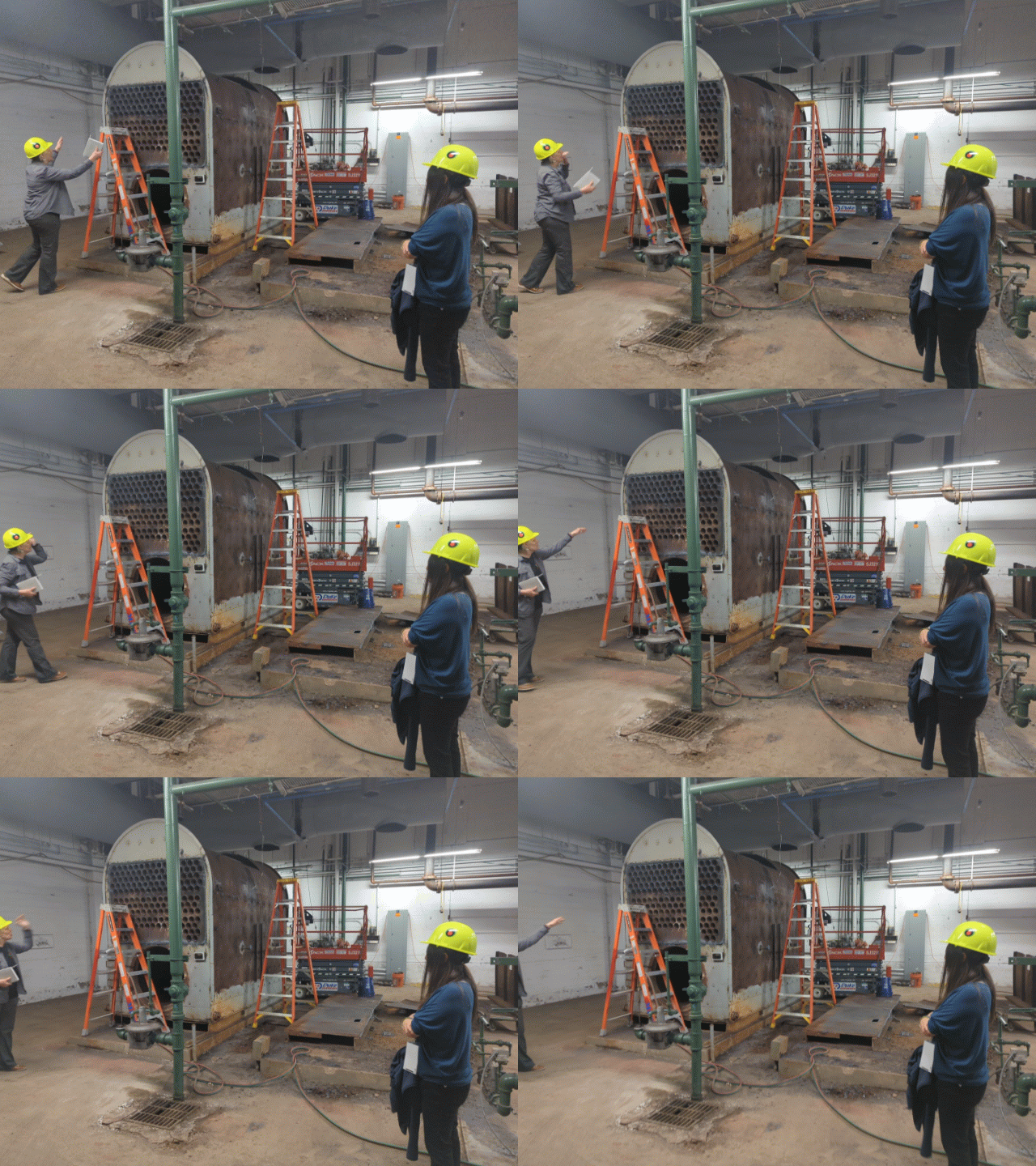
The building's original system (two massive boilers located in the basement) once provided heat for the entire facility. Once the geothermal system is fully operational, the boilers are no longer needed, reducing emissions while lowering long-term operating costs.
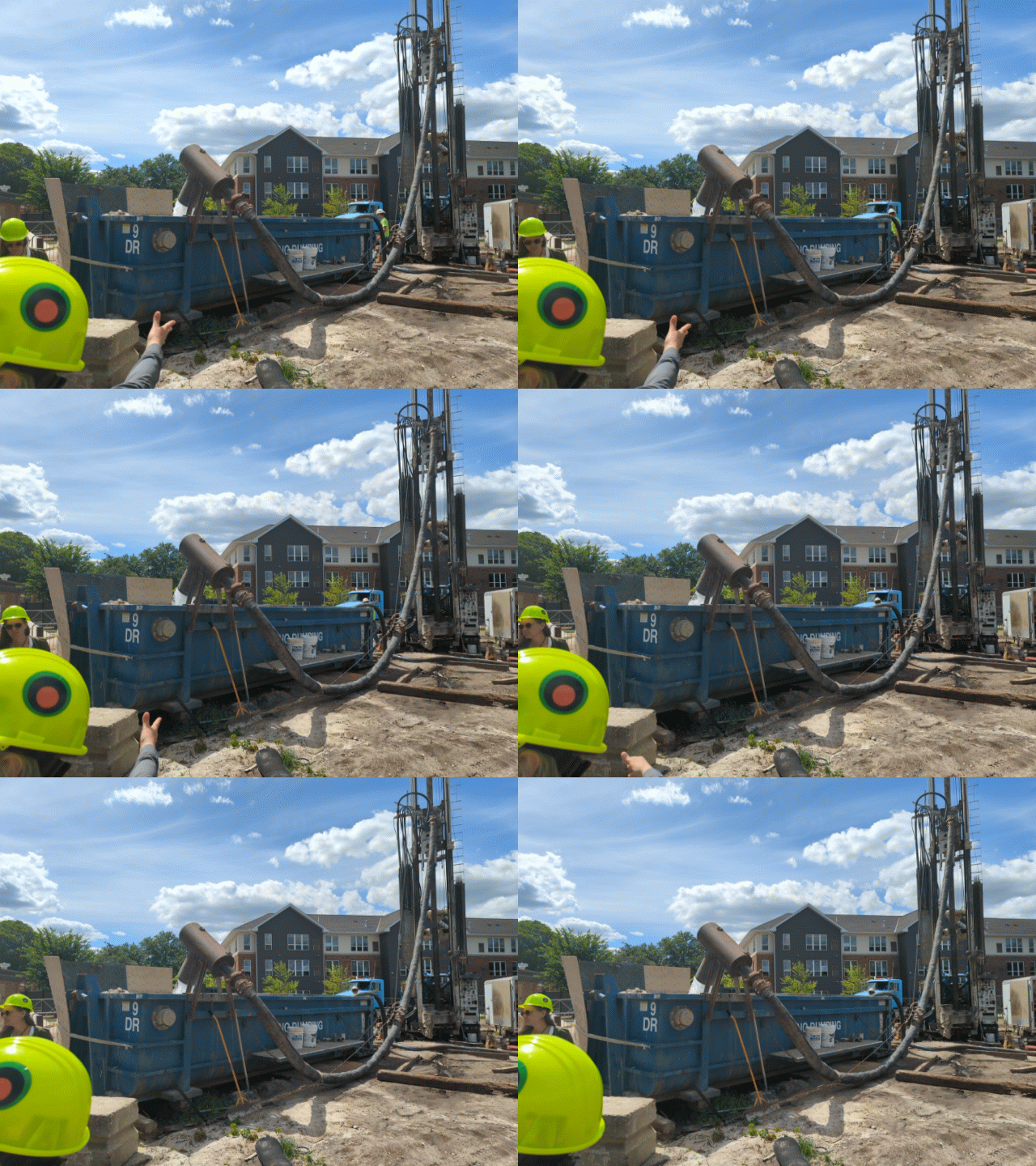
Once completed, these wells will circulate water through underground loops where heat is exchanged with the earth before being distributed back to the building. Unlike conventional HVAC systems that burn fossil fuels, geothermal systems move heat rather than create it, making them among the most efficient heating and cooling technologies available
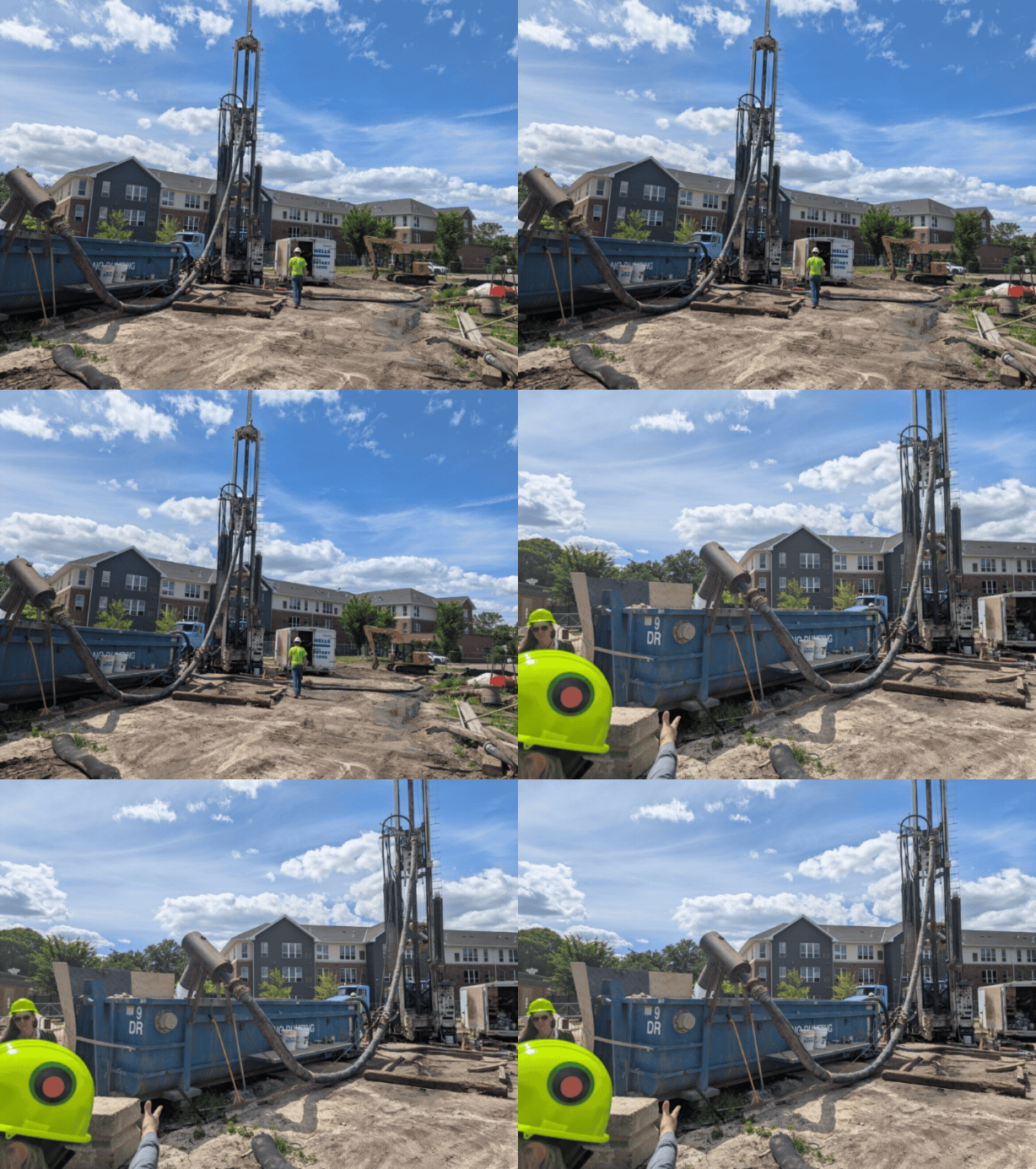
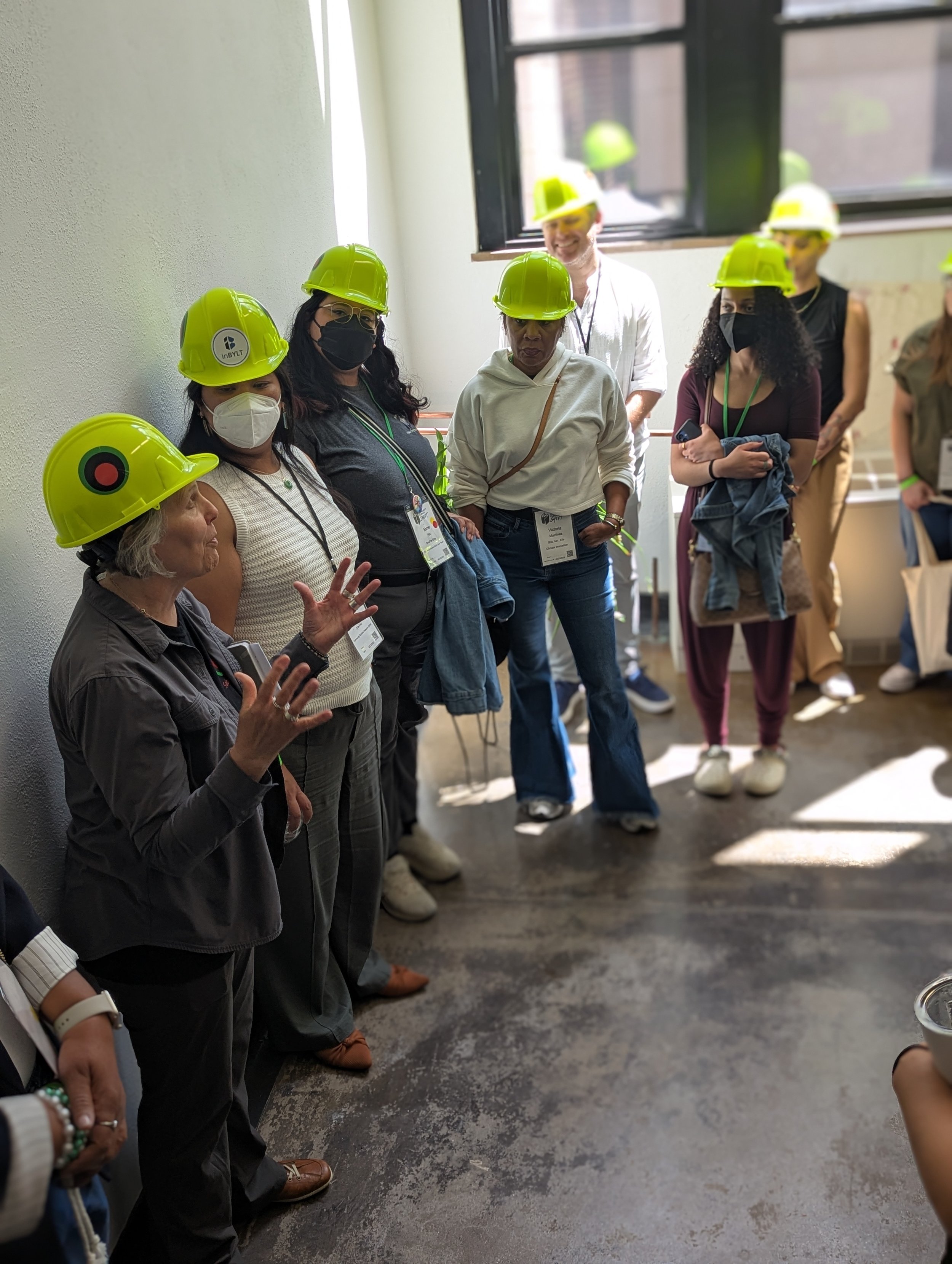
CEF partners explore the environmental justice opportunities and challenges of deploying district geothermal systems in historically disinvested communities.
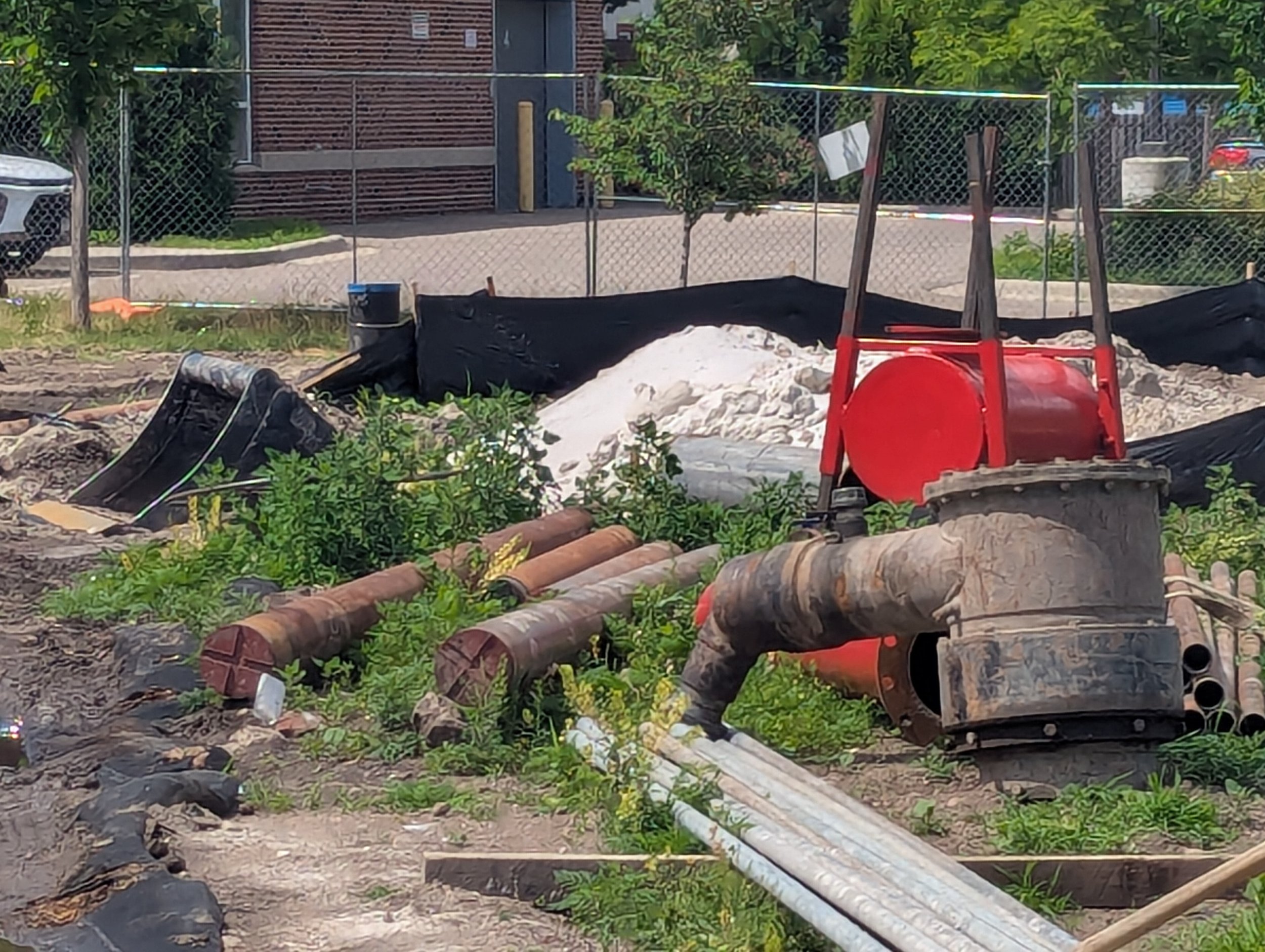
As deep geothermal wells are drilled into the stable temperatures beneath the earth's surface, workers encounter sand deposits estimated to be nearly 500 million years old. Remnants of an ancient inland sea that once covered much of the region.
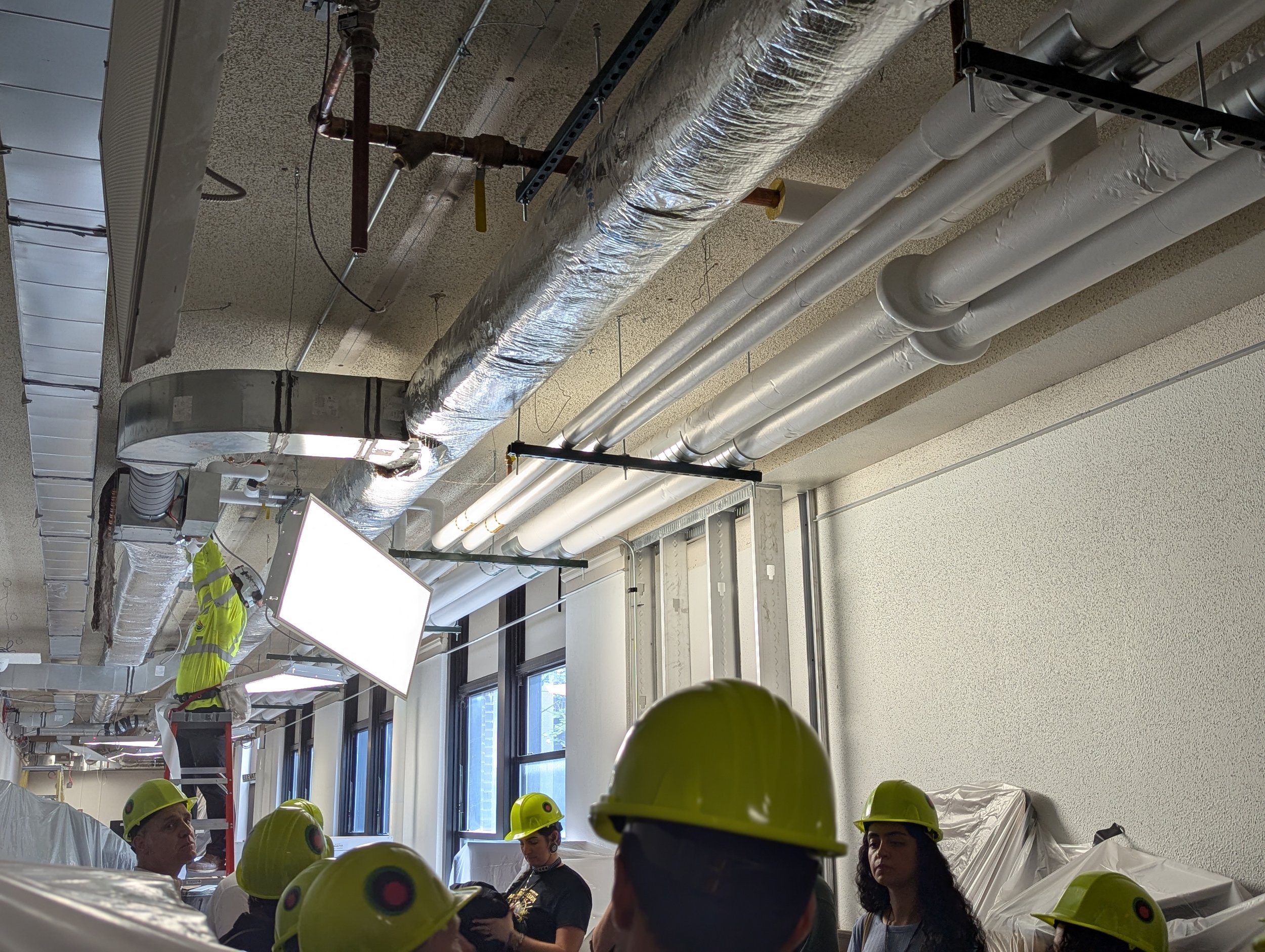
New insulated piping distributes heating and cooling throughout the building using the geothermal system. Because the original building was not designed to accommodate modern mechanical systems, the ceiling has to be lowered to create space for the new infrastructure.
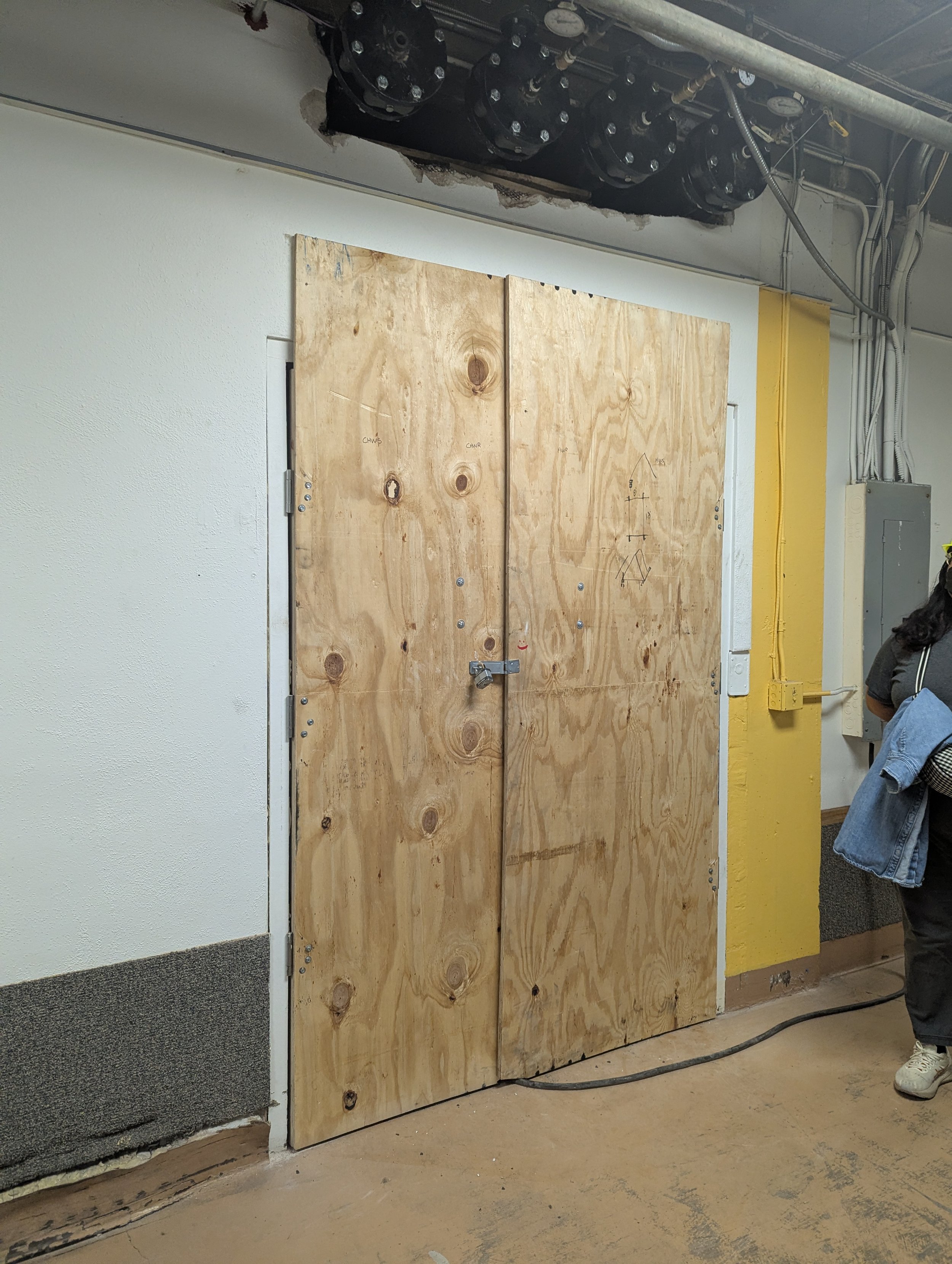
Retrofitting a century-old building requires creative problem-solving. For example, the old elevator shafts are being repurposed to route new piping and utility infrastructure throughout the building.
Because traditional freight access is limited, many construction materials and mechanical components are lifted through exterior windows and carefully moved into place. They also reinforced portions of the building's floor to support the weight of the new equipment
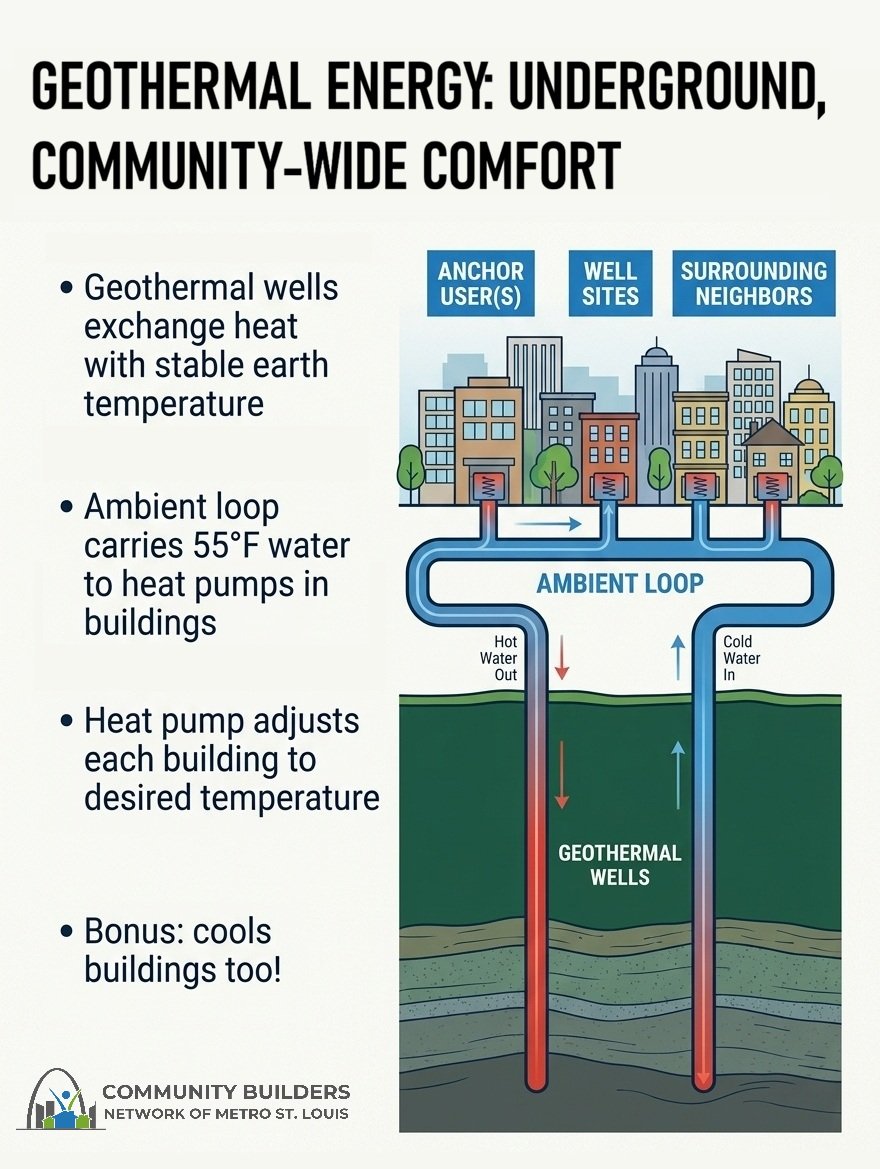
Download Infographic
Project construction has required extensive adaptation as previously unknown conditions continue to be uncovered. (Like a 100 foot extension cord running power in the ceiling.) These creative solutions highlight a reality facing many community-serving buildings: achieving climate goals often means investing not only in clean energy technologies, but also in modernizing aging facilities that were built for a different era.
CBN's participation supports our ongoing work through the Advancing Equitable Building Decarbonization initiative here in St. Louis and reinforces our commitment to ensuring that sustainability, energy efficiency, and climate resilience efforts create tangible benefits for residents and neighborhoods throughout St. Louis. We are always grateful for the opportunity to bring innovative ideas and partnerships back to our network as we begin to rebuild and consider equitable community development and climate resilience locally. For more on Geothermal Energy, consider downloading these infographics!
