2026 Lifetime Dedication to Community Building Awardee, Gordon Carlson!
Congratulations to Mr. Gordon Carlson, recipient of our 2026 Lifetime Dedication to Community Building Award!
The Lifetime Dedication to Community Building Awardrecognizes a person who:
Has demonstrated a long-standing commitment to community building work.
Has exhibited leadership, vision, and a commitment to action and results.
Has catalyzed outstanding impact in community building policy, investment, and/or community change.
Has worked to challenge the status quo in the St. Louis region.
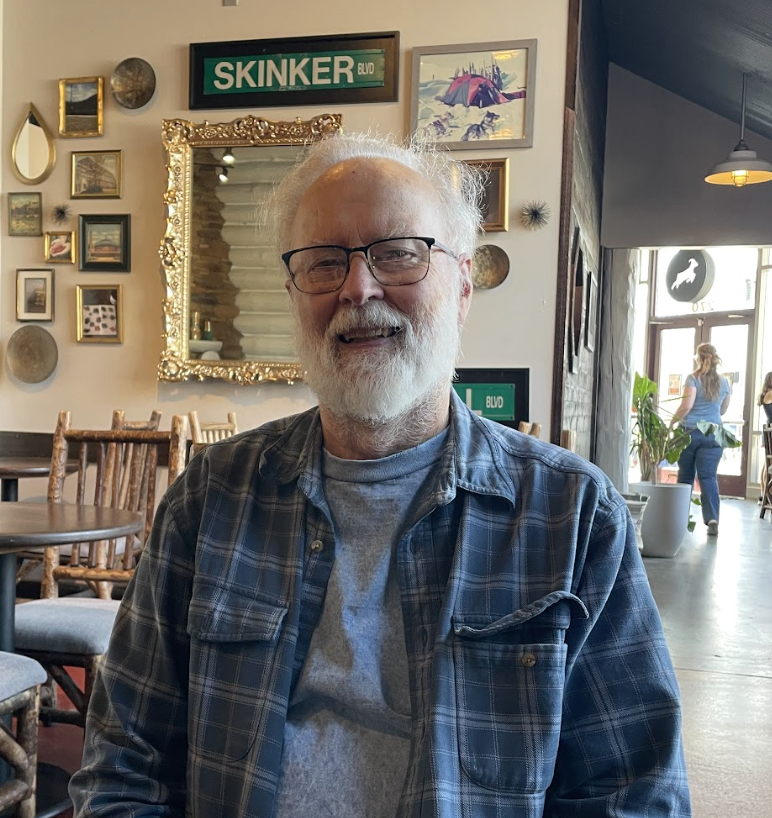
“We could stand against the system of displacement, gentrification, and preserve affordable housing”
While living overseas in his early 20s, Gordon Carlson became involved in urban development and community building. It was there that he encountered a model of stabilization and revitalization centered on rehabilitation, not removal and displacement. He carried this philosophy with him when he moved to St. Louis in 1975, and it has guided his work for nearly five decades. Gordon is the embodiment of lifelong dedication to community. He has poured decades of his life into this work, often forgoing what many would consider essential. Through his faith in God, he found his calling to support the poor and displaced by building equitable, accessible neighborhoods.
In 1965, Gordon was invited to teach Sunday school for truant teenage boys in Chicago. That experience opened his eyes to the vastly different realities people face and shifted his life’s direction. While in Cicero, a suburb just outside of Chicago, he witnessed Martin Luther King Jr.’s protests and marches for integration. His life priorities shifted. While in college, he selected courses like Urban Sociology, Economics of Poverty, Community Organizing, and Black Consciousness, building a foundation for understanding racism, segregation, and neighborhood displacement. What once was a plan to return to San Diego and work in finance became a lifetime commitment to addressing urban challenges and supporting underserved communities.
“Why are European cities more livable than American cities?”
After studying in France and working for a church based not-for-profit housing organization in London for 4 years, Gordon became even more committed to the idea of restoration over displacement. Rather than tearing down communities, the goal was to stabilize and empower residents. He knew he wanted to bring this philosophy back to urban communities in the United States.
“From what I’ve seen in America, the philosophy was you have the urban bulldozer. You tear down slums and build something new. Whereas the philosophy in London was you rehab existing buildings, then move people down the street into those existing [rehabbed] buildings, and rehab where they moved out of”
After traveling across the country by Greyhound in 1975, Gordon arrived in St. Louis and connected with Grace and Peace Fellowship. He made the decision to stay and invest in urban stabilization. In 1976, he helped the church form Cornerstone Corporation, an organization with the purpose of purchasing and rehabilitating multifamily buildings to provide affordable housing. With the help of volunteers, these homes were restored and offered to residents at affordable rates, with the goal of preserving community and preventing displacement.
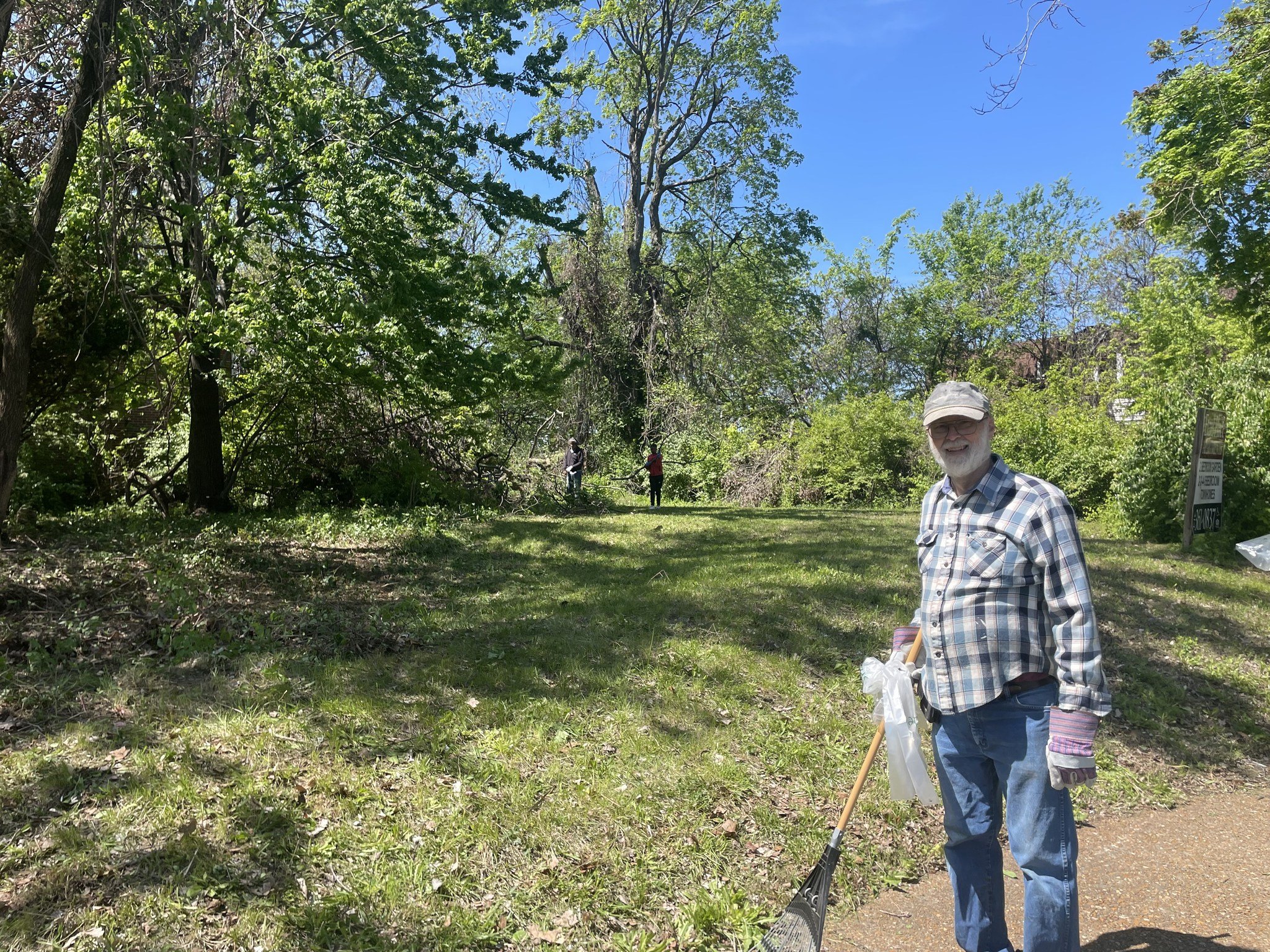
As neighborhoods like Skinker-DeBaliviere became more expensive, Gordon remained committed to ensuring families could stay. He worked tirelessly, often six days a week and ten hours a day, rehabilitating vacant and foreclosed properties and using volunteer labor and donations to restore both homes and hope. He emphasized that people should not be pushed out of their neighborhoods just because they are poor or Black.
“It was a time of major change”
In 1979, Gordon moved north of Delmar and purchased a home on Etzel in 1981. Even during periods of increased crime and instability in the 1980s, Gordon chose to stay. Alongside his beloved wife, Ellen, he became a steady presence in the community, supporting families beyond housing. Together, they hosted birthday parties, took children to the zoo and the MUNY, and created opportunities for joy and connection. In the 1990s, he led a neighborhood organization north of Page that rehabbed houses, ran a community center, and installed playground equipment at the local schools. They weren’t just building housing, they were building family and community.
After the death of his wife in 1998, Gordon’s work extended globally as well, supporting housing, education, and disaster relief efforts in countries including Peru, Sri Lanka, and Haiti.
Despite systemic challenges like racism, disinvestment, and white flight, Gordon remained steadfast. He built lasting relationships with residents, often going above and beyond to support them. In one instance, a single mother was raising three children on $3/hour and he refused to evict her. After she passed away from cancer, he ensured her three children stayed housed in that apartment and had opportunities for education and employment. Gordon emphasized that he made “lifelong relationships with tenants” that he still cherishes to this day.
Today, Gordon continues to serve his community by helping to develop and implement a neighborhood plan for the West End neighborhood. After decades of quiet, consistent work, he shared that he was “so surprised” and “so grateful” to receive this recognition. His impact on St. Louis is lasting, both in the physical spaces he helped restore and in the lives he has touched along the way.