Detroit Showed Us What’s Possible. Now St. Louis Must Invest at the Scale Our Neighborhoods Deserve
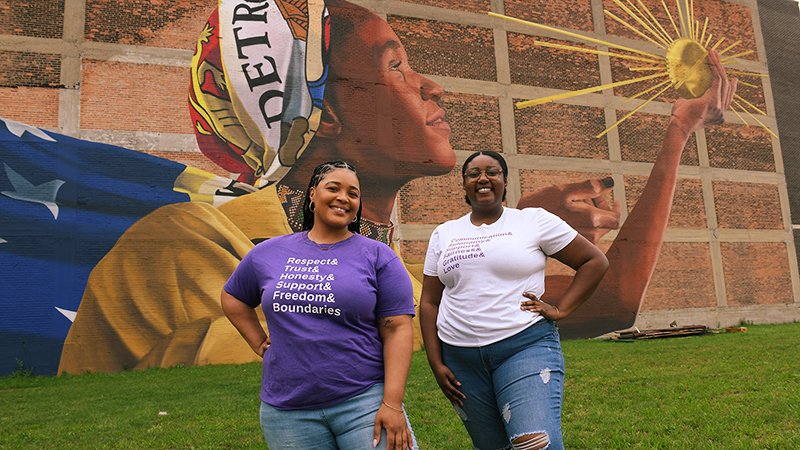
Photo Courtesy: Kresge Foundation
Detroit’s Kresge Foundation visit to St. Louis this week wasn’t just an inspiring exchange. It was a wake‑up call. Detroit’s progress over the past decade shows what becomes possible when a city decides to invest in community development organizations not as project implementers, but as long‑term civic infrastructure. Their success is rooted in a simple truth: neighborhood revitalization requires stable, well‑resourced, high‑capacity organizations leading the work on the ground.
Kresge’s American Cities Program strengthens urban neighborhoods by investing in community power, equitable development, and systems‑level change across major U.S. cities. The program funds anti‑displacement strategies, community‑led planning, inclusive economic development, and cross‑city learning networks that help local partners adopt proven models from Detroit and other cities. Its core goal is to build durable civic infrastructure, including strong community organizations, aligned public‑philanthropic partnerships, and policies that center residents, so neighborhood revitalization is equitable, sustainable, and driven by those closest to the work.
At the center of Detroit’s transformation is the Community Development Organization (CDO) Fund, a groundbreaking initiative managed by Enterprise Community Partners Detroit. And this year, Enterprise launched Phase III of the Fund—$27 million over three years, the largest phase yet. This investment brings 37 Detroit CDOs into a single cohort, providing multi‑year operating support, technical assistance, shared learning, and coordinated priorities across the city. Detroit’s philanthropic and civic leaders understood that small, isolated grants cannot produce large, systemic change. They invested at scale.
St. Louis Needs Philanthropy to Invest 100x More Than It Has
St. Louis has strong CDCs. We have committed funders. We have decades of community‑driven work. But we do not have investment at the scale required to match the need.
Our neighborhoods face generational disinvestment, aging housing stock, commercial corridors in decline, and residents who have been asked to do more with less for far too long. For years, St. Louis has engaged residents, created neighborhood plans, and adopted visions for stronger, more equitable communities. But plans without implementation are promises without outcomes. The future of these plans (and the future of our neighborhoods) depends on stable, well‑resourced CDCs and neighborhood partners who have the capacity to carry them forward. Philanthropy in St. Louis has been generous, but the level of investment has been incremental, isolated, and project‑by‑project.
Detroit shows us that this approach will never be enough.
If St. Louis wants to see the kind of transformation Detroit is experiencing, philanthropy must invest in CDCs at 100 times the scale it has historically. Not 10 percent more. Not double. One hundred times more.
Because the need is that great. Because the opportunity is that urgent. Because small grants cannot solve big problems.
Detroit’s CDO Fund: A Model for Scale
Enterprise Detroit’s model rests on several pillars St. Louis can adopt:
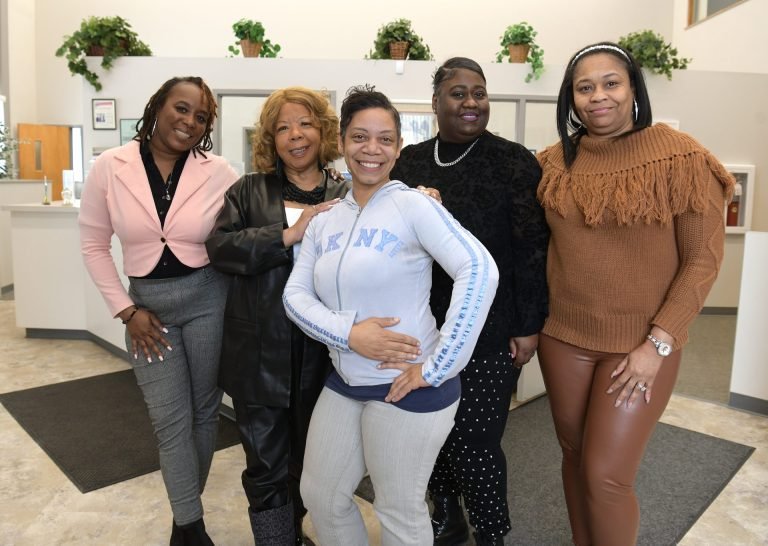
Photo Courtesy: Kresge Foundation
Multi‑year operating support that stabilizes organizations and allows long‑term planning.
Capacity‑building investments in staffing, leadership, financial systems, and organizational infrastructure.
Coordinated funding and shared priorities across philanthropy, city government, and anchor institutions.
Technical assistance and shared services to strengthen performance and collaboration through CDAD.
Clear expectations and accountability, paired with flexibility that respects neighborhood realities.
A citywide commitment to equitable development, ensuring revitalization strengthens long‑time residents.
Earlier phases of Detroit’s CDO Fund produced measurable results:
100,000 residents served
1,400 affordable homes created or preserved
Expanded commercial space
Stronger financial sustainability across nearly all organizations
That is what scale makes possible.
St. Louis Has the Ingredients - But Not the Investment
St. Louis already has:
One of the strongest CDC ecosystems in the Midwest.
A philanthropic community that cares deeply about equity and neighborhood revitalization.
A city government increasingly committed to community‑centered development.
What we lack is the level of investment that matches the scale of our challenges.
Detroit didn’t transform its neighborhoods with scattered grants. It transformed them with large, coordinated, multi‑year investment in the organizations doing the work.
St. Louis must do the same.
A St. Louis ECDO Fund Could Change Everything
Photos Courtesy: Kresge Foundation
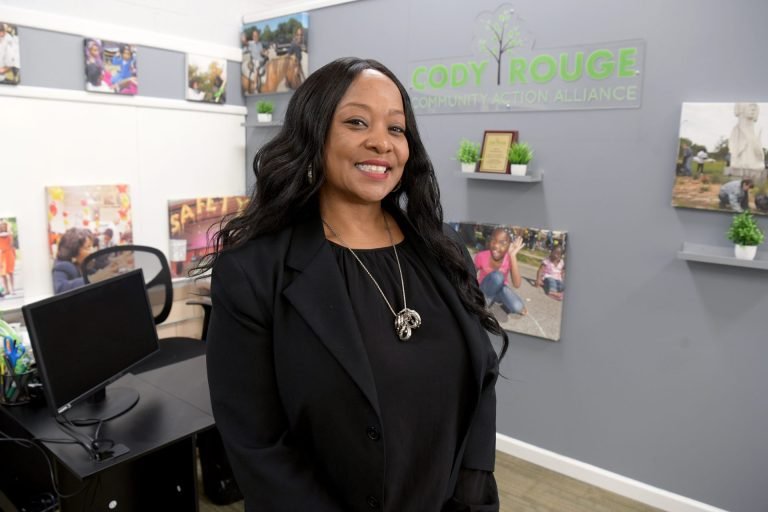
Imagine what a St. Louis ECDO Fund—managed by a trusted backbone organization—could unlock:
Stable, multi‑year operating support for CDCs across the city and county.
Shared data, shared goals, and shared accountability across institutions.
A stronger pipeline of housing, commercial corridor revitalization, and community‑driven development.
Neighborhood transformation led by organizations rooted in the communities they serve.
We have the talent. We have the partners. We have the vision. Now we need the investment.
The Moment Is Now
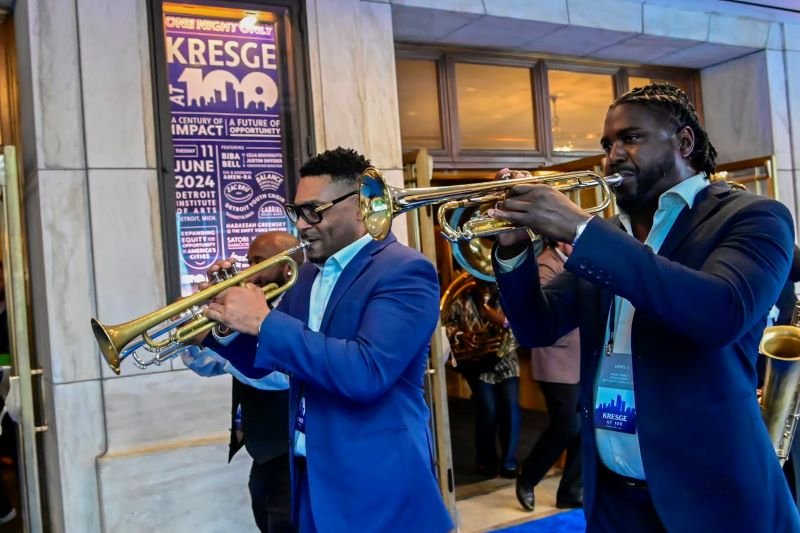
Photo Courtesy: Kresge Foundation
St. Louis doesn’t need to replicate Detroit’s model exactly. Our neighborhoods, our history, and our assets are different. But the spirit of Detroit’s approach, the belief that community development organizations deserve long‑term investment, coordinated support, and a seat at the table is exactly what St. Louis needs.
Our CDCs are ready. Our philanthropic partners are ready. Our neighborhoods are more than ready.
The question is whether we are willing to do what Detroit did: build a shared table, commit to shared goals, and invest at the scale our neighborhoods deserve.
If we are, St. Louis can write its own story of transformation. Our story is rooted in community leadership, shared prosperity, and the belief that every neighborhood deserves to thrive.
We invite funders, civic leaders, and partners across the region to continue this conversation with the Community Builders Network team. Together, we can design the St. Louis model and build the future our neighborhoods have been waiting for.