

FROM THE FIELD:
Can Neighborhood Investment Help Residents Stay and Build Wealth?
Research by Michael Neal, Devlin Hanson, Eleanor Pratt, Marokey Sawo, Hannah Sumiko Daly, and Noah Johnson of the Urban Institute. The report examines Invest STL's Rooted: Cultivating Black Wealth in Place pilot.
New Urban Institute research examines how Invest STL's Rooted initiative is helping longtime Black residents remain in their neighborhoods amid community change.
Economic development can bring new investment and opportunity to neighborhoods, but it can also create challenges for the residents who have called those communities home for generations. Rising housing costs and changing neighborhood conditions can make it increasingly difficult for longtime residents to remain and benefit from new investment.
A new report from the Urban Institute, Building an Innovative Toolkit to Combat Forced Displacement: The Rooted Cultivating Black Wealth in Place Pilot, examines an innovative approach to addressing this challenge right here in St. Louis.
Developed by Invest STL, Rooted: Cultivating Black Wealth in Place was designed to help Black households in the West End and Visitation Park neighborhoods build financial stability and remain in their communities as neighborhood conditions change.
Rather than focusing exclusively on investing in physical places, Rooted puts residents at the center of neighborhood investment by providing direct financial support and access to financial planning and wealth-building resources.
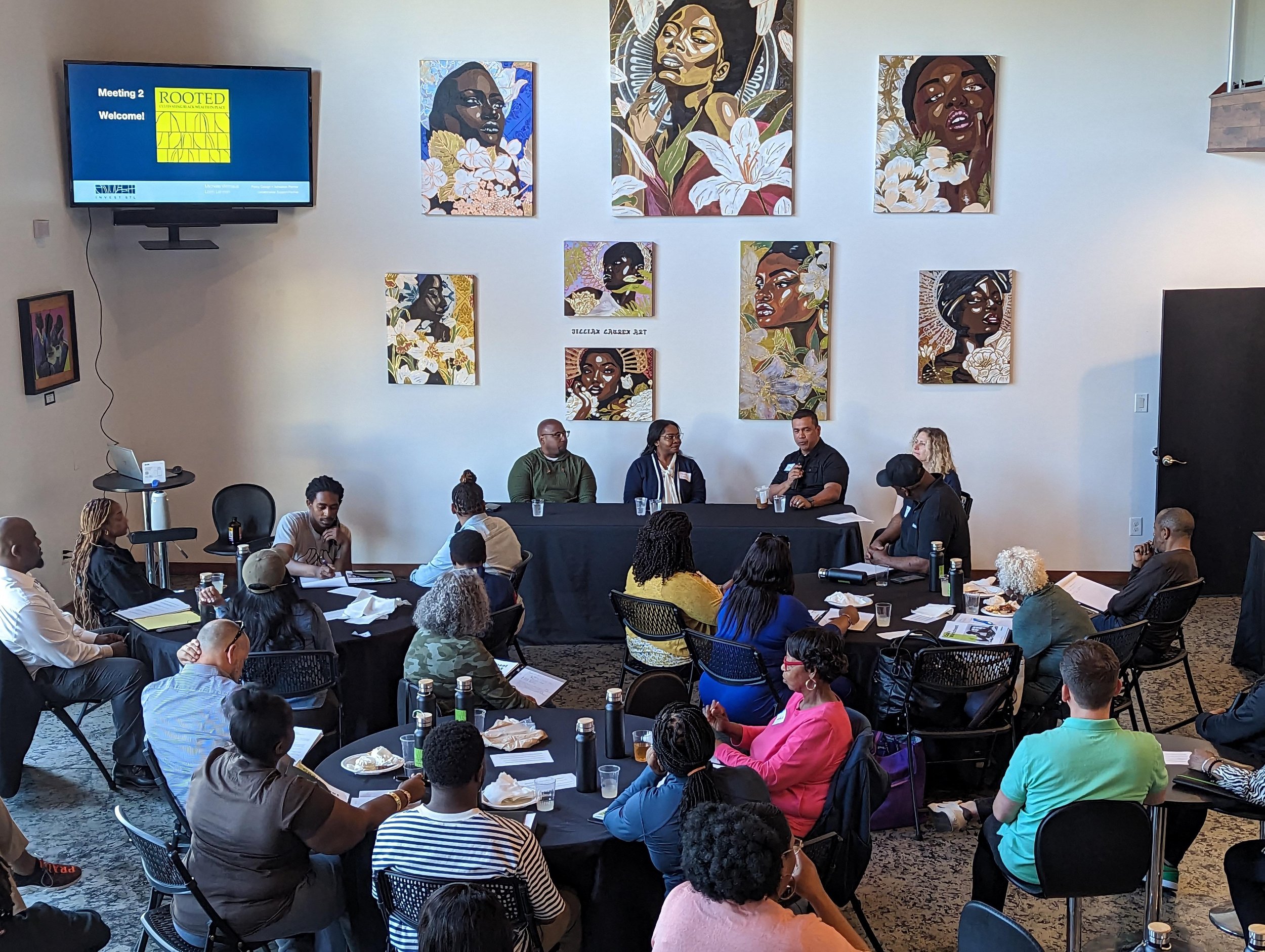
Photo Source: Invest STL/STLPR (Invest STL gets national attention by seeding $20K to residents in 2 neglected neighborhoods [July 2024]
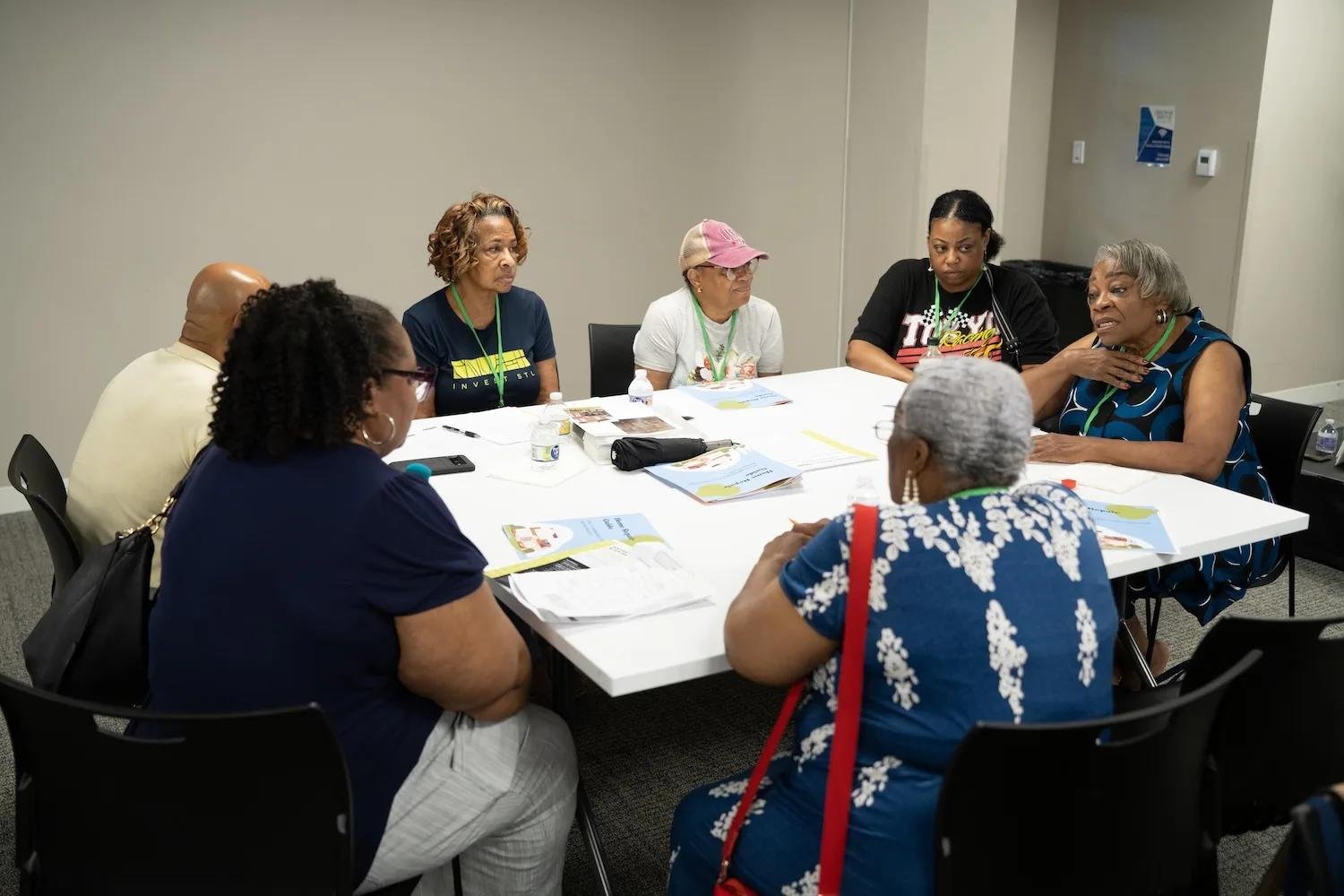
Photo Source: St. Louis Magazine/Lance Omar Thurman - This group is discussing how they used investment funds from Invest STL to help repair their homes.
What Did the Research Find?
The Urban Institute evaluated the initiative using a randomized study comparing residents who received Rooted funding and services with those in a control group. The findings offer encouraging evidence of the potential for resident-focused investment:
Residents were more likely to remain in their neighborhoods. Two years after the study began, participants who received Rooted support were approximately 9 percentage points less likely to have moved out of their neighborhood than those in the control group.
Participants gained greater access to financial resources. Residents receiving support were substantially more likely to work with financial planners and more likely to have investment accounts.
Wealth-building outcomes were more complex. Researchers did not find statistically significant differences in net worth between the two groups. However, participants described financial well-being more broadly, including housing stability, protecting family assets, and having the ability to remain in their homes.
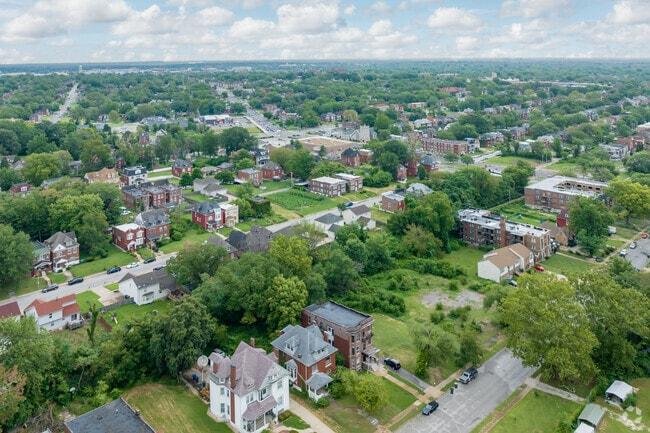
Photo Source: Homes.com
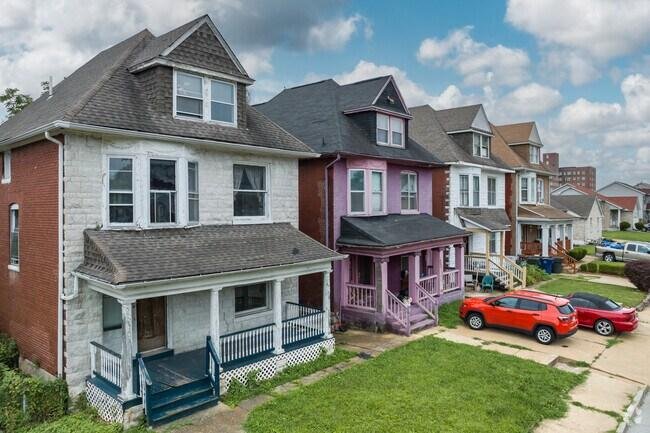
Photo Source: Homes.com
A Different Approach to Neighborhood Investment
The findings highlight an important consideration for community development organizations: investing in neighborhoods and investing in the people who live there should go hand in hand.
While neighborhood revitalization can create opportunities, ensuring longtime residents can remain and share in those benefits requires intentional strategies that address housing stability, financial security, and access to wealth-building resources.
Although the Rooted pilot was relatively small and faced external challenges that complicated the evaluation, its findings offer a promising example of how direct investments in residents can complement traditional community development efforts.
For CDCs and other community development organizations, the research reinforces the importance of keeping residents at the center of neighborhood change.
Read the Report: Building an Innovative Toolkit to Combat Forced Displacement
