
How to Advance Development Without Displacement
🔎 FROM THE FIELD - September 2026
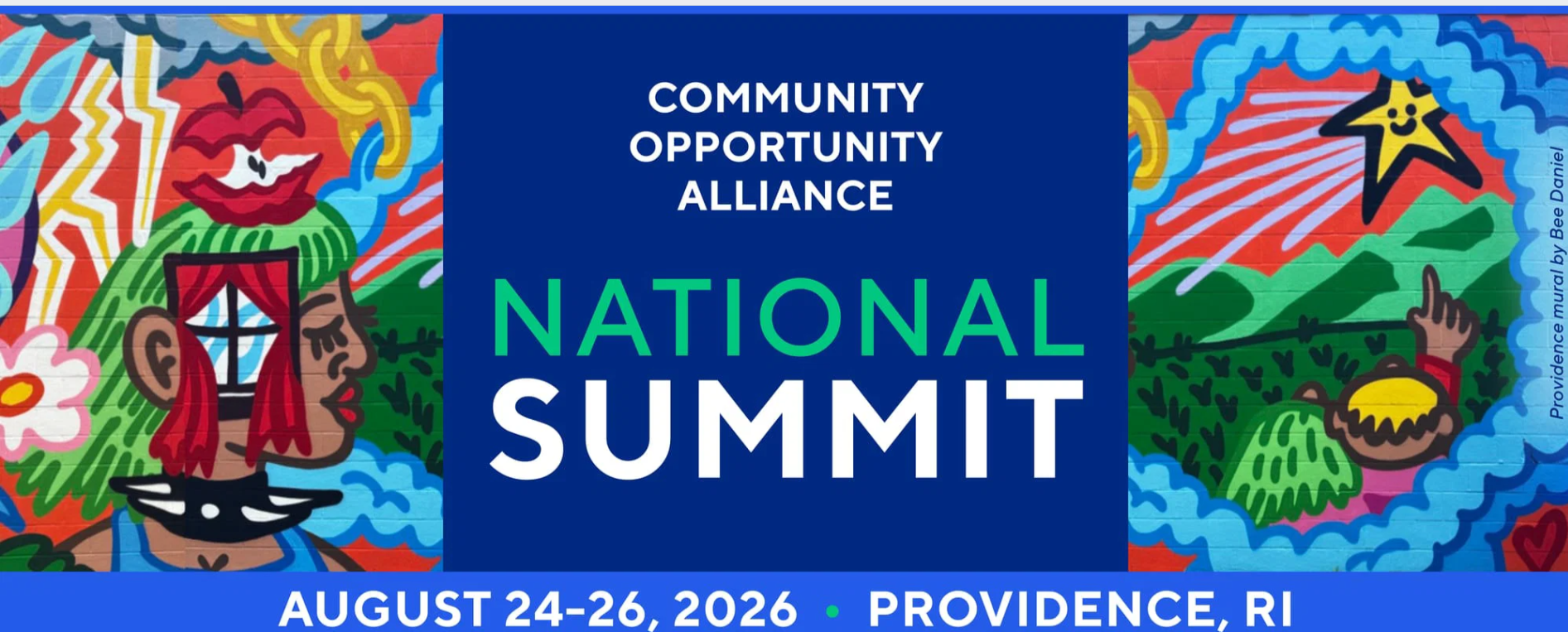
Last week, CBN staff joined community development association leaders from across the country at the 2026 Community Opportunity Alliance National Summit, a three‑day convening focused on strengthening the national field, advancing equitable development, and equipping associations with tools to support their networks. The Summit offered deep policy insight, hands-on learning, and powerful examples of community‑driven innovation. Across plenaries, workshops, tours, and peer discussions, one theme resonated deeply: development without displacement, ensuring that revitalization strengthens neighborhoods without pushing out the people who built them. As CBN continues its critical role as a Bridge Builder, these learnings reaffirm our mission to connect our members and STL community with the tools, solutions, resources, and most importantly, the PEOPLE (that’s YOU!) who make equitable development possible.
Workforce & Middle Housing: Housing Access Is Economic Development
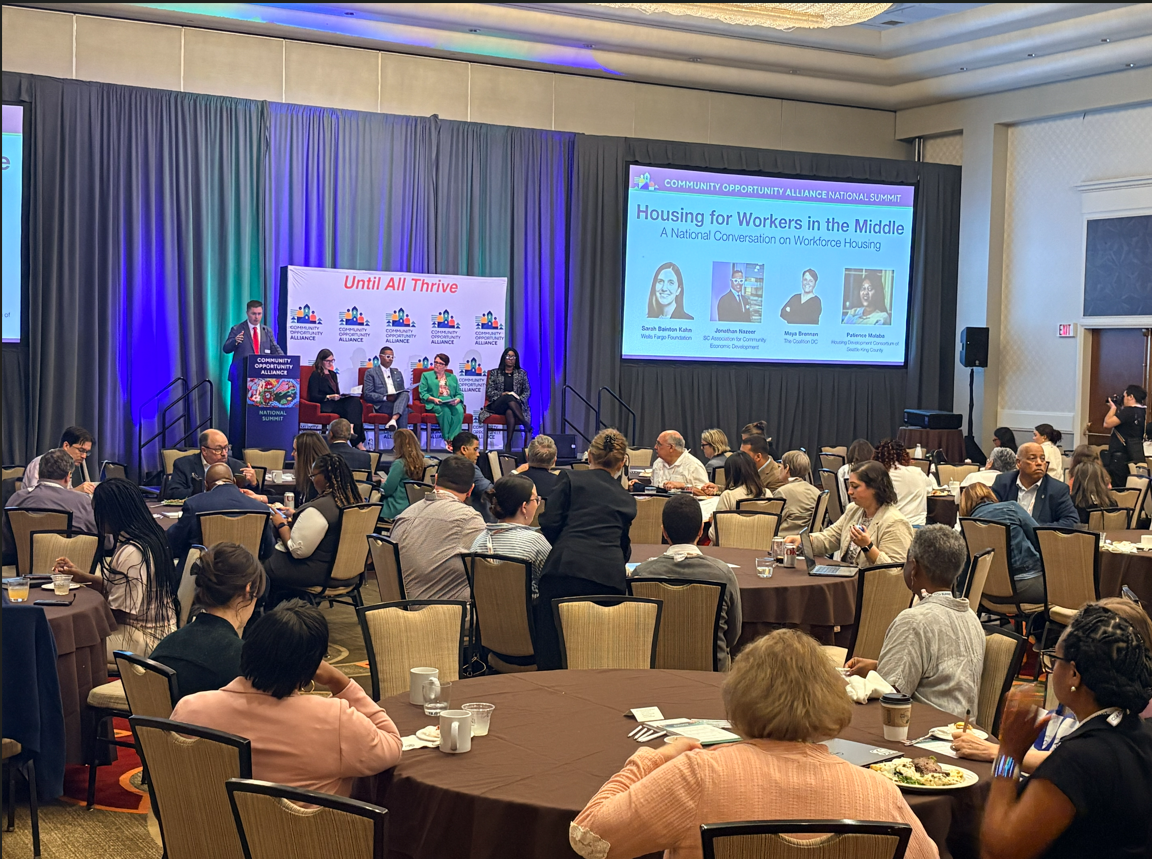
The Workforce Housing Lunch Plenary reinforced that access to affordable housing is both an economic and anti‑displacement issue. When workers cannot afford to live near job centers, employers struggle to retain talent, productivity declines, and regional competitiveness suffers. Panelists emphasized that the market alone cannot fill the housing gap. Local regulations often add costs to development, restrictive zoning bans modest homes, and persistent shortages push prices higher. These barriers make it nearly impossible for the private market to produce housing affordable to middle‑income families without intentional policy and public‑private collaboration.
Models from DC, South Carolina, and Texas demonstrated how expanding middle‑income housing supply supports workforce stability, family resilience, and neighborhood continuity. All are essential to preventing displacement in St. Louis. Housing access isn’t just about affordability; it’s about sustaining the local economy and keeping communities whole.
Peer Networking and Regional Collaboration
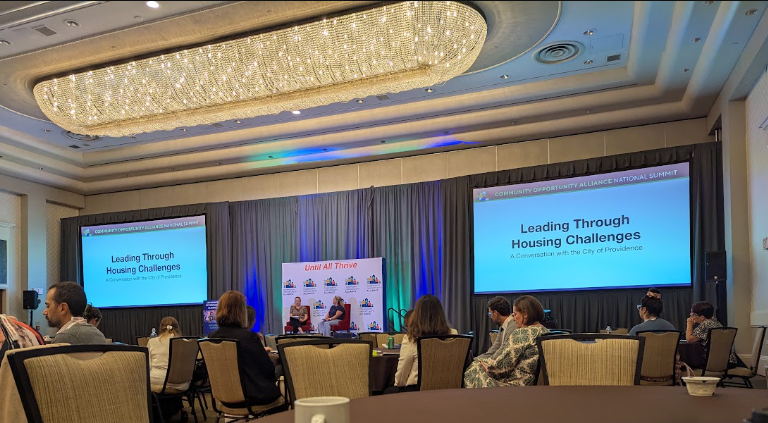
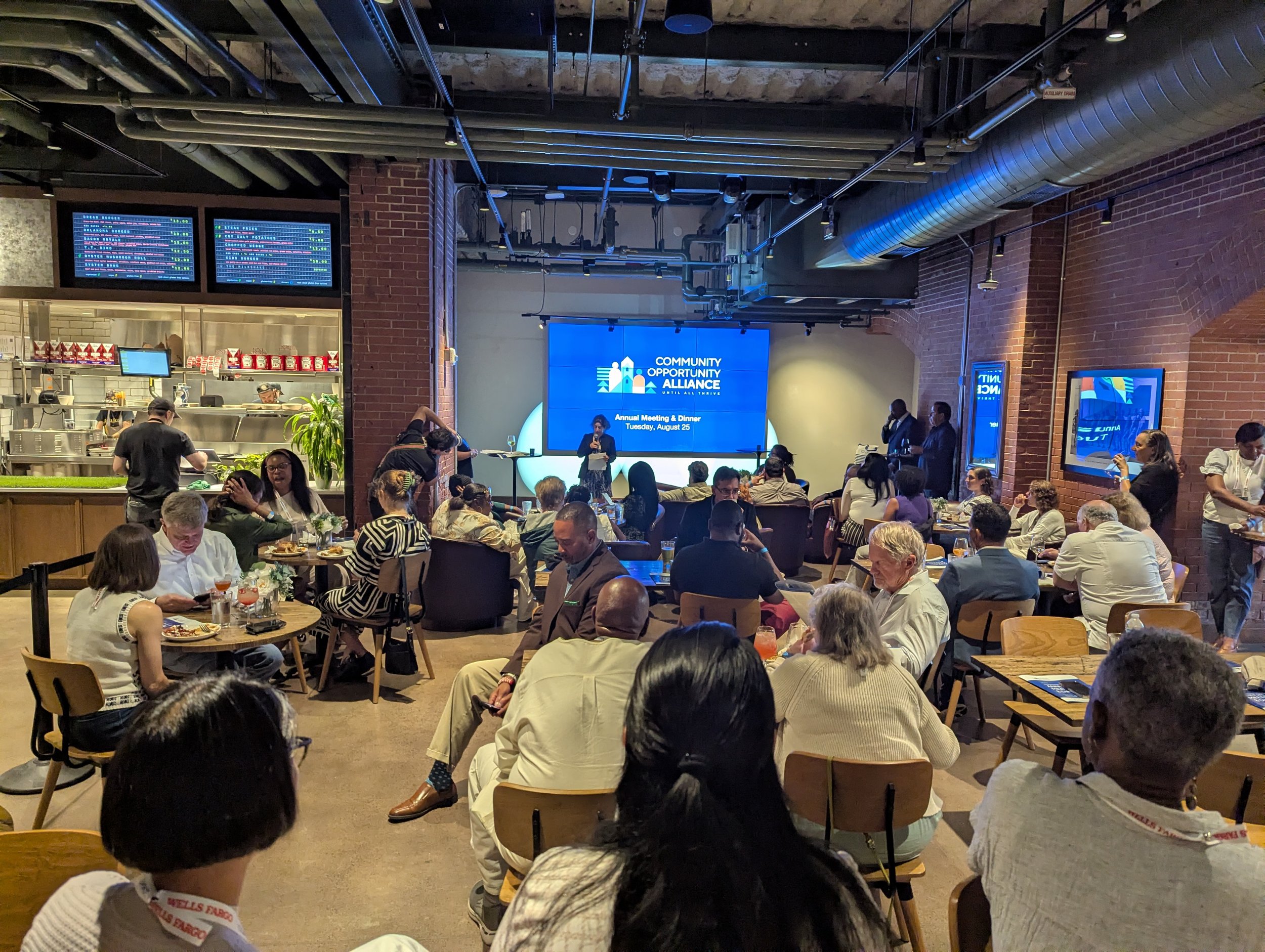
The Midwest Caucus and Annual Member Dinners offered invaluable opportunities for peer networking and candid conversation. In these intimate settings, association leaders shared ideas, challenges, and strategies for advancing equitable development across the region. These exchanges reinforced that preventing displacement requires shared learning, collective advocacy, and regional alignment, and that CBN’s role as a Bridge Builder is essential to connecting St. Louis to national momentum.
Structural Change Requires Structural Solutions
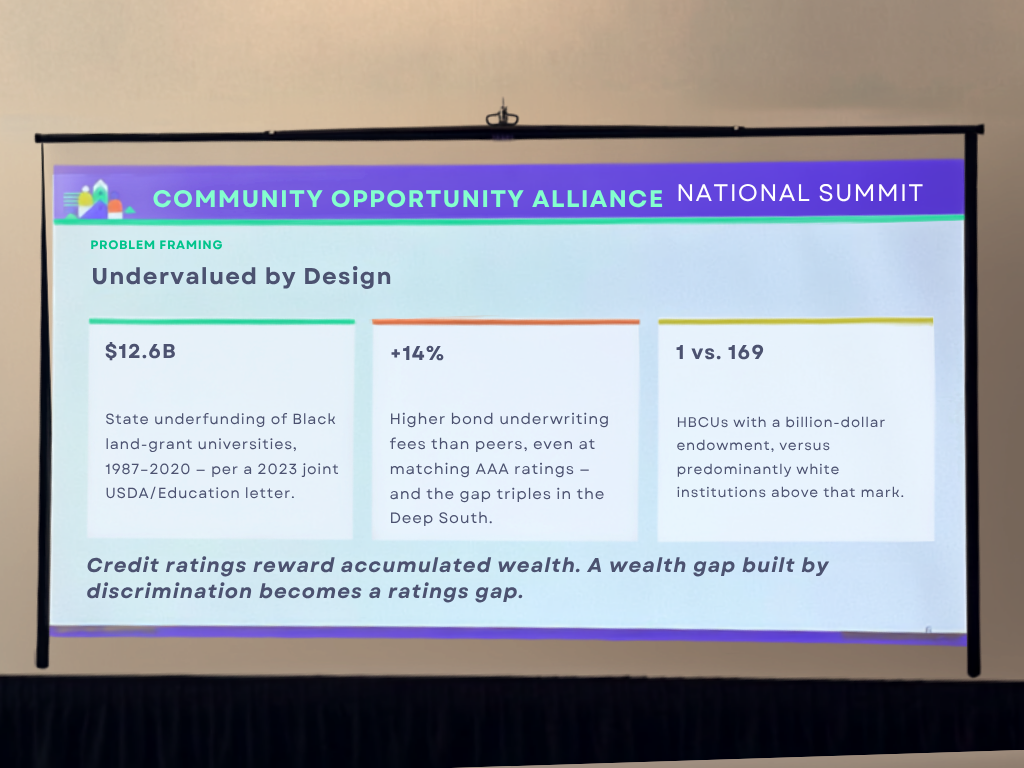
The Building Influence session spotlighted a powerful opportunity: Historically Black Colleges and Universities (HBCUs) are among the most underutilized community development institutions in the country. With extensive real estate holdings, workforce training programs, and deep cultural roots, HBCUs can serve as anchors for equitable development if intentionally engaged.
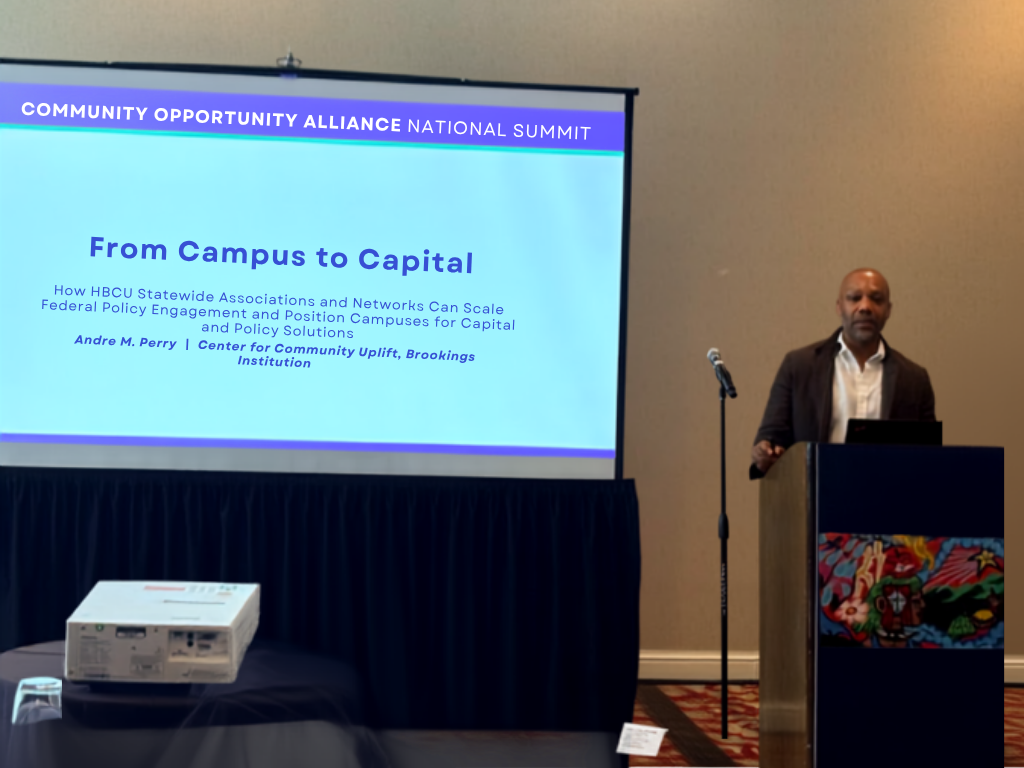
Panelist Dr. Andre Perry of the Brookings Institute emphasized the need to confront systemic inequities using empirical data, including the staggering 16:1 racial wealth gap between Black and White households. Closing this gap demands sustained investment in jobs, education, and wealth‑building opportunities, not just short‑term programs. These insights align directly with CBN’s advocacy for structural change that uplifts families and preserves community identity.
Creative Placemaking and Inclusive Redevelopment
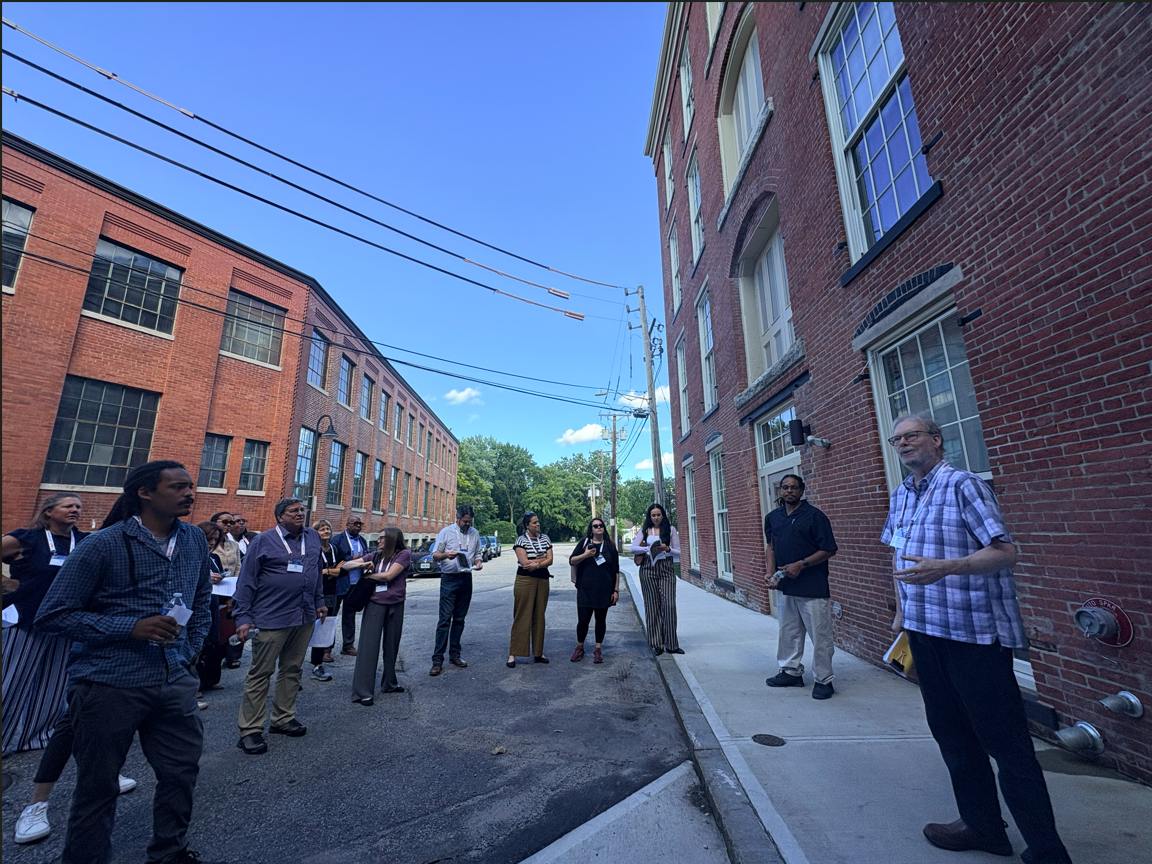
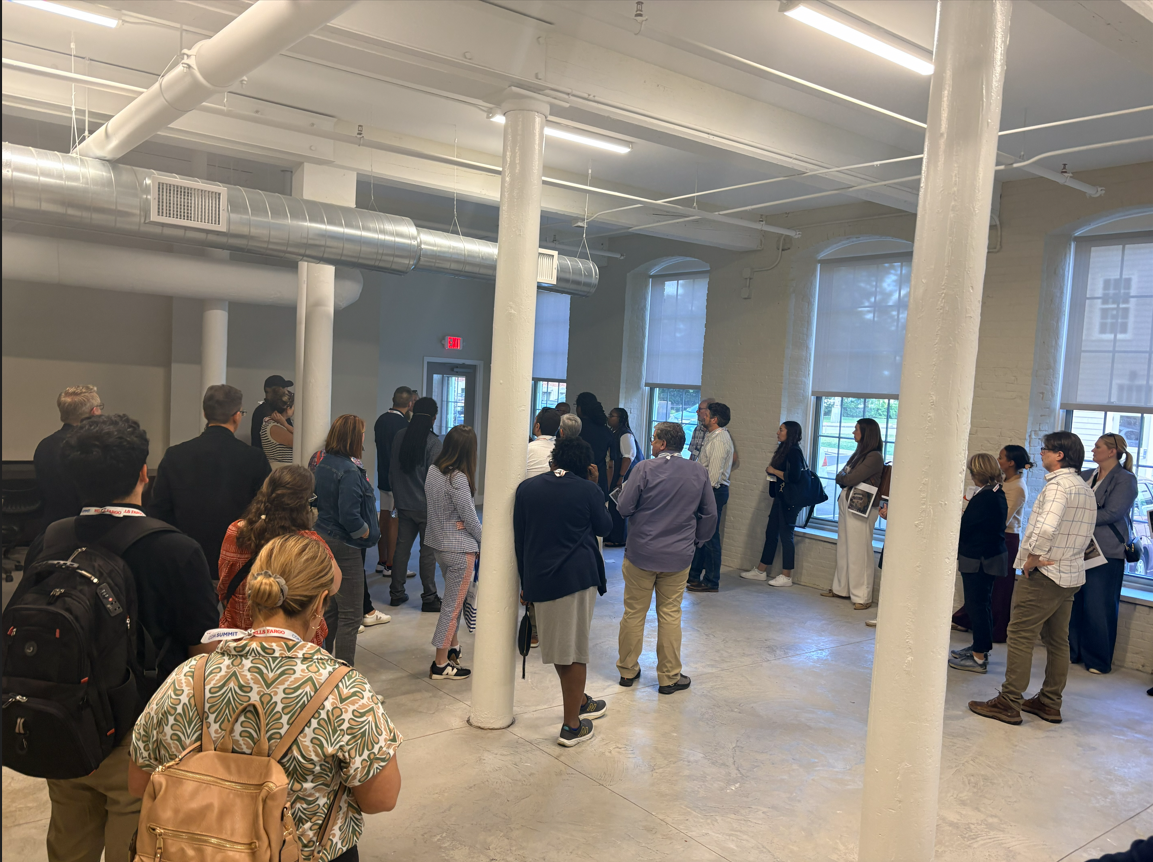
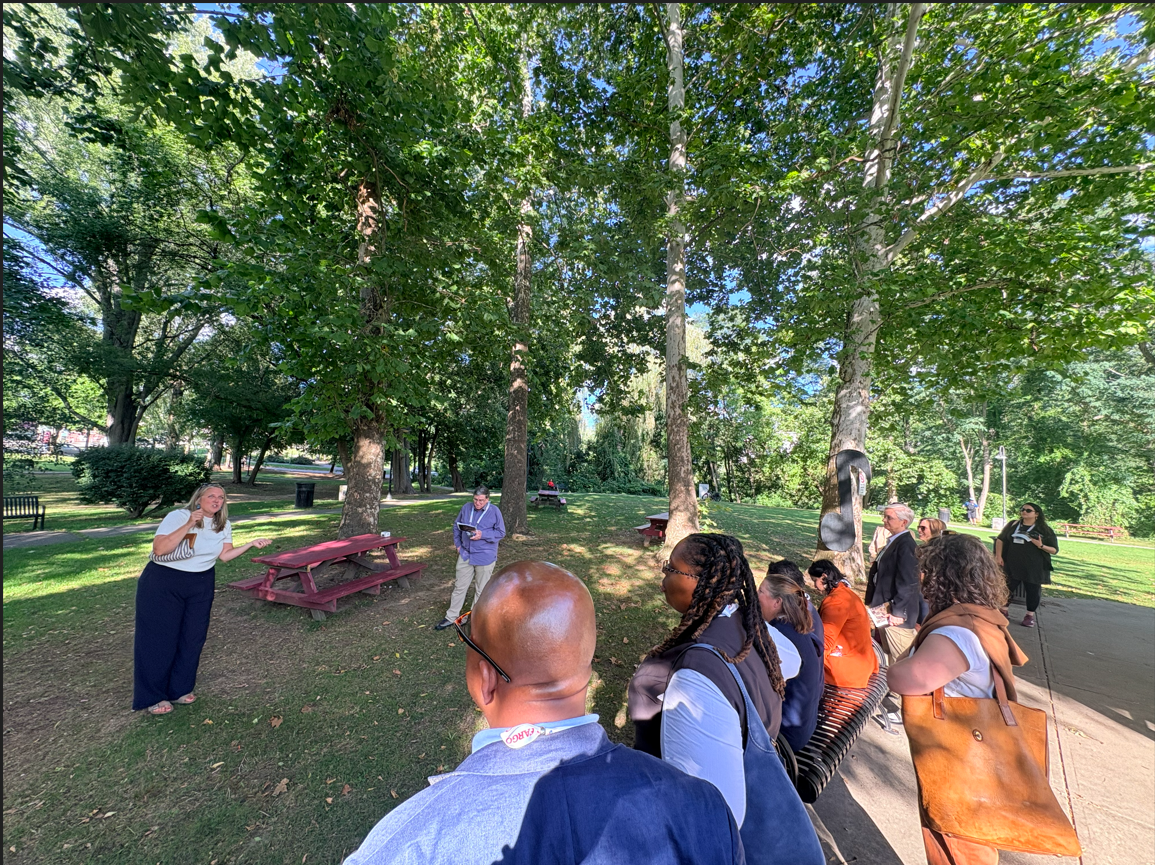
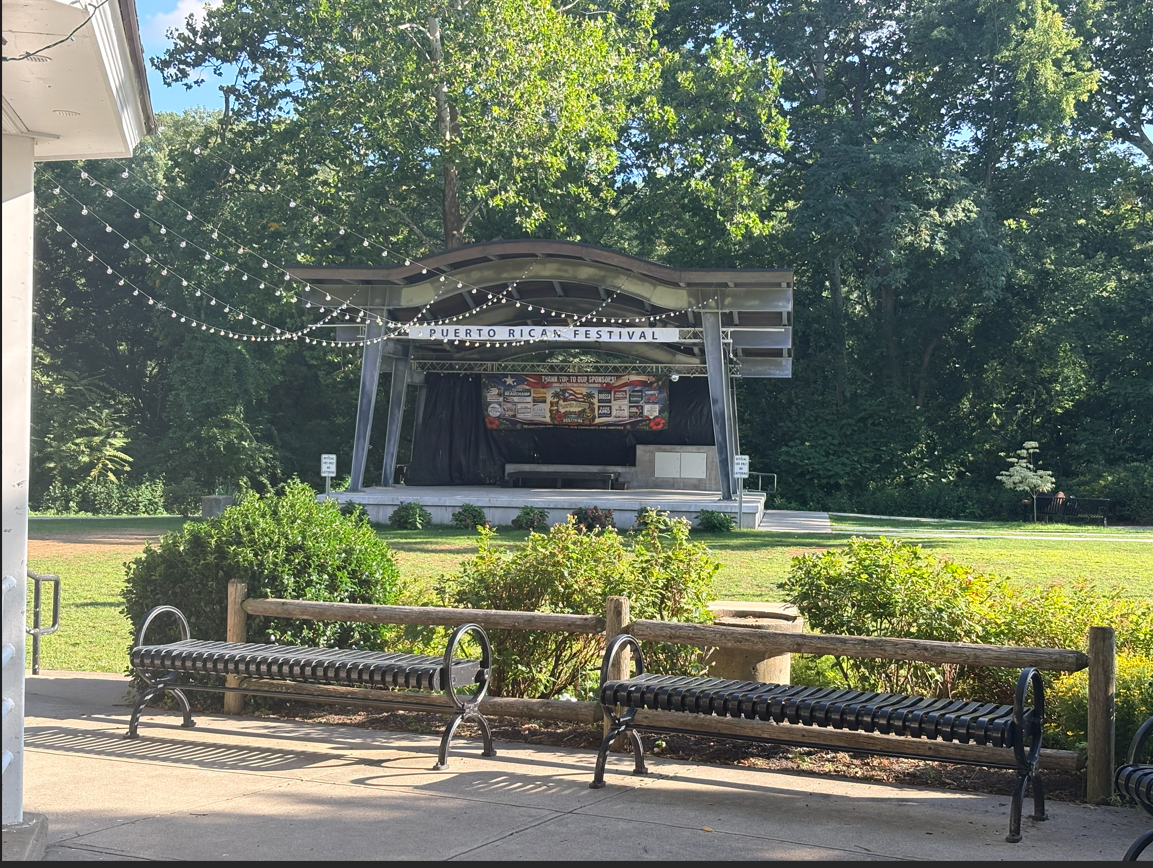
CBN staff participated in community development tours that showcased creative placemaking and inclusive redevelopment. The NeighborWorks Blackstone River Valley tour highlighted the Millrace District in Woonsocket, where three historic mill buildings were converted into 70 affordable apartments, live/work units, commercial space, and the Millrace Kitchen, a shared venue and commercial kitchen supporting local food entrepreneurs. The project, built through 15 years of neighborhood planning and resident engagement, continues to drive arts and economic development.
This model mirrors the work of our very own Delmar Main Street’s eastern corridor activation in St. Louis and their inaugural summer Levitt VIBE STL music series , where arts‑based engagement strengthens neighborhood identity, supports local entrepreneurs, and creates community‑centered spaces, all without displacing long‑time residents.
From Blight to Opportunity: Community-Driven Redevelopment
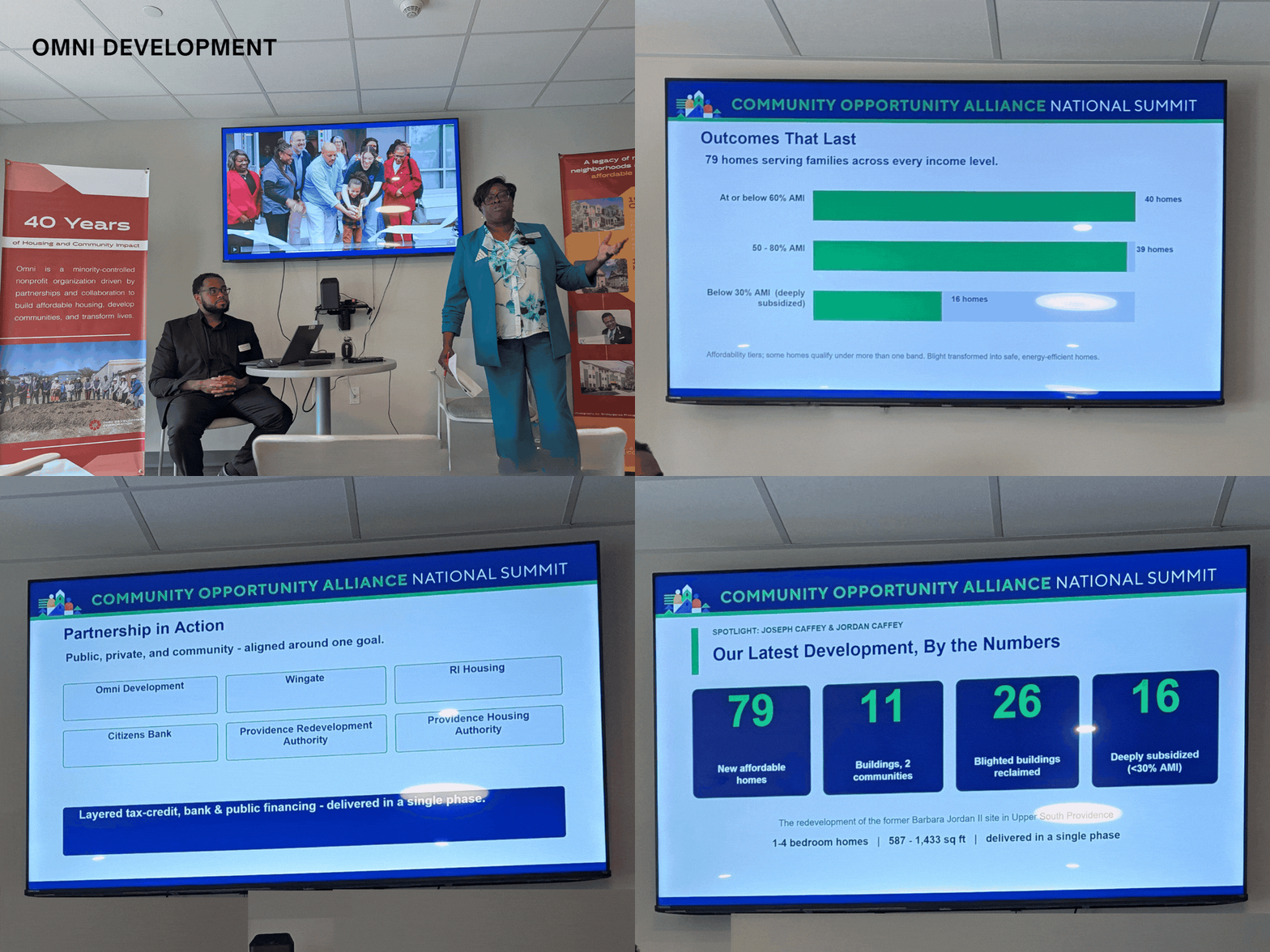
At Omni Development Corporation, Sharon Morris shared how a community-driven approach transformed blighted and distressed properties into quality, affordable homes while strengthening the surrounding neighborhood.
The process began with listening to residents and understanding what the community needs and wants for its future. In the redevelopment of the former Barbara Jordan II housing development, RIHousing and community partners conducted an eight-month community engagement process before issuing a developer RFP. Residents, neighborhood organizations, anchor institutions, and other stakeholders helped shape the vision that ultimately informed the redevelopment strategy.st
That process resulted in the redevelopment of 26 blighted and vacant buildings on scattered sites into 79 new affordable rental homes, including the Joseph Caffey Apartments and Jordan Caffey Townhomes. The project paired new housing with amenities and services designed to support residents' long-term stability, including community space, technology resources, financial counseling, digital literacy opportunities, and access to Wi-Fi. At one point, I waved to a little boy outside the window who was peeking in the room to see what was going on. A reminder of the added value of just the room we were sitting in.
Similar to our very own Clinton-Peabody redevelopment, Omni was intentional about investing in people and creating the conditions for residents and neighborhoods to thrive. Partnerships between residents, nonprofits, government agencies, financial institutions, and developers turned the vision into a viable project. The community-informed RFP process was essential to move redevelopment from a predetermined solution toward a vision shaped by the people most directly affected.
That vision was clear: community-driven redevelopment is about creating a process where residents have a meaningful role in determining what comes next for their neighborhood.
Heirs’ Property: Preventing Vacancy and Building Wealth Through Collaboration
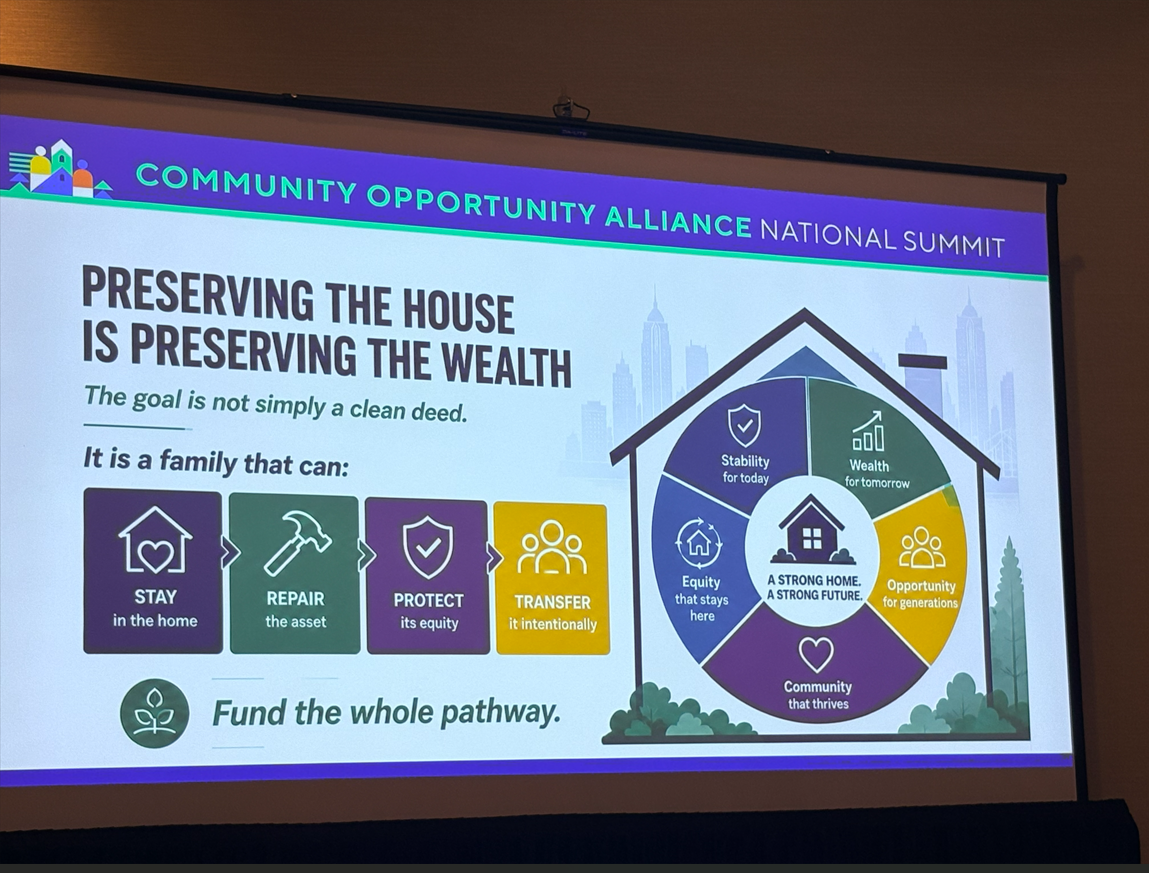
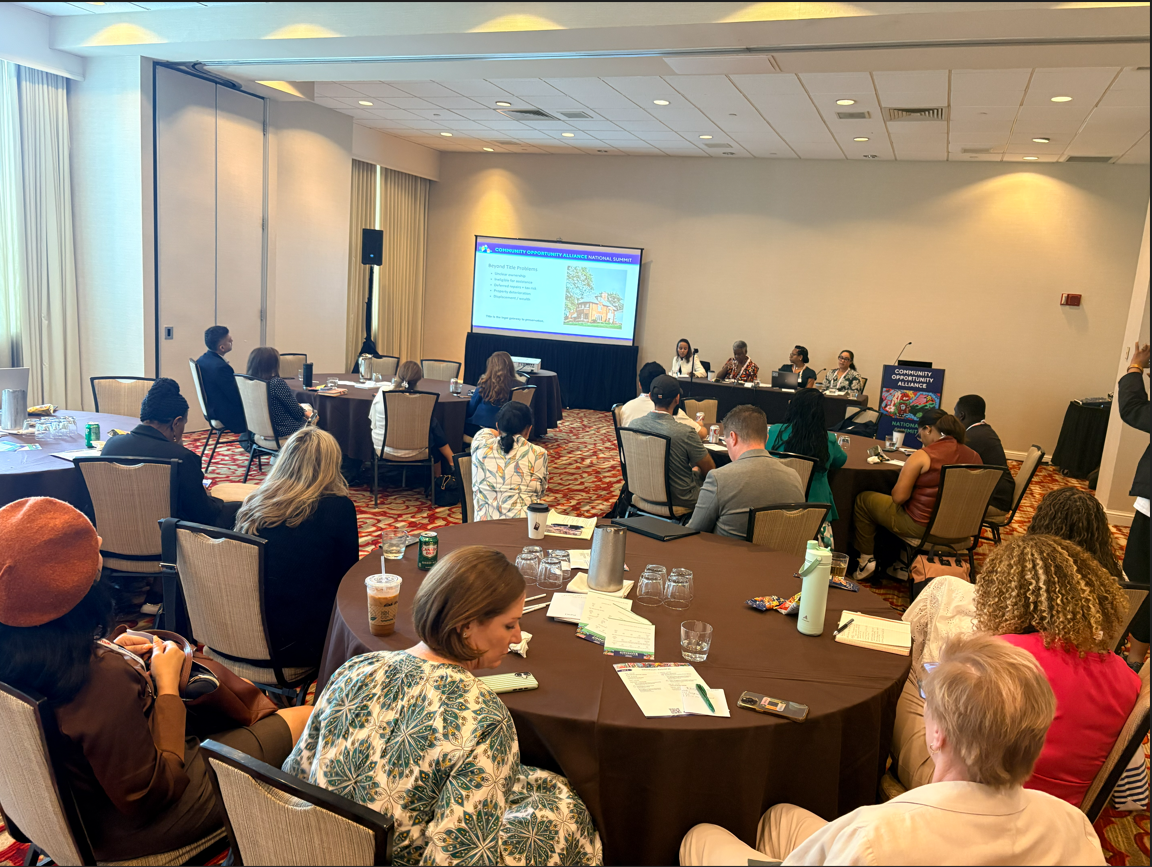
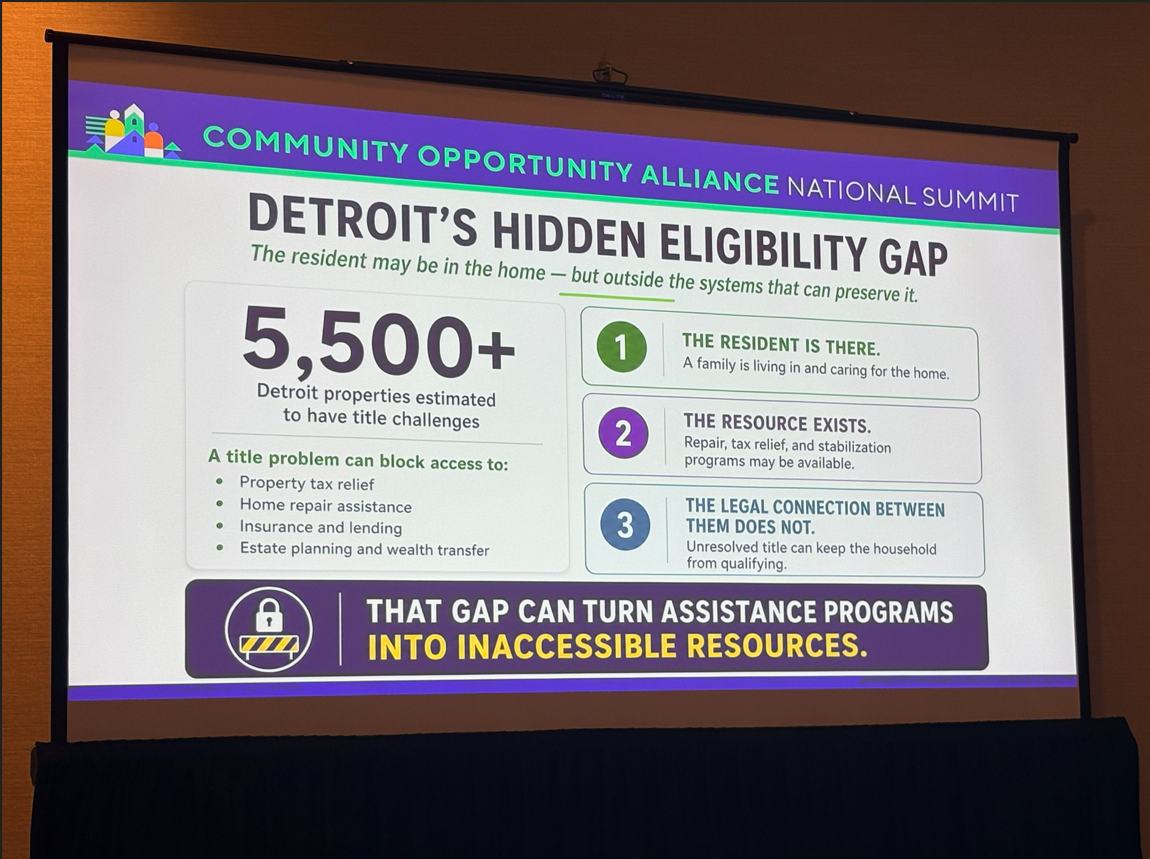
The Heirs’ Property session underscored how tangled titles are more than a legal issue, they’re a neighborhood stabilization and equity issue. A cross‑sector approach involving legal aid, city agencies, land banks, CDCs, and financial partners is essential to help families clear titles and preserve ownership.
In Detroit, more than 5,500 properties are estimated to have title challenges, blocking homeowners from accessing property tax relief, home repair assistance, insurance and lending, estate planning, and wealth‑building opportunities. Similarly, LISC Cleveland estimates 2,100+ properties face title challenges they are actively working to resolve, a scale that demonstrates how widespread and urgent this issue is across cities. When titles remain unresolved, homes fall into disrepair or tax delinquency, creating vacancies that become liabilities for cities like St. Louis. By helping families secure clear titles, communities can unlock access to home repair programs, financial stability, and generational wealth, stabilizing thousands of households and advancing development without displacement.
Strengthening Small Business Ecosystems: The Unique Role of Associations
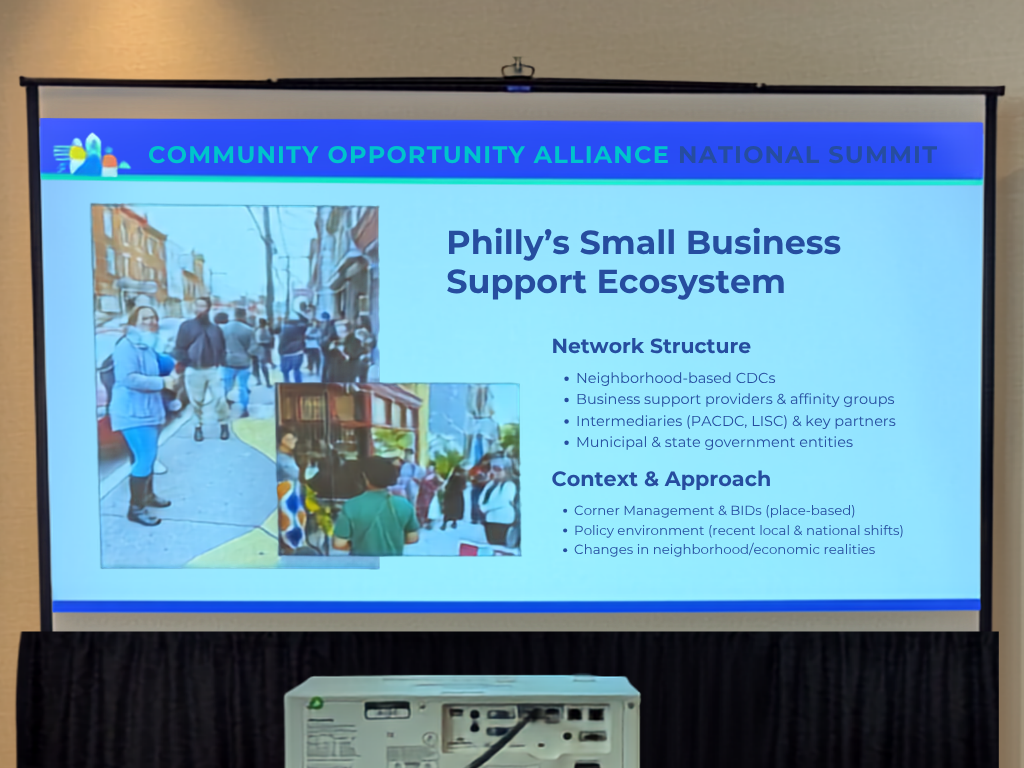
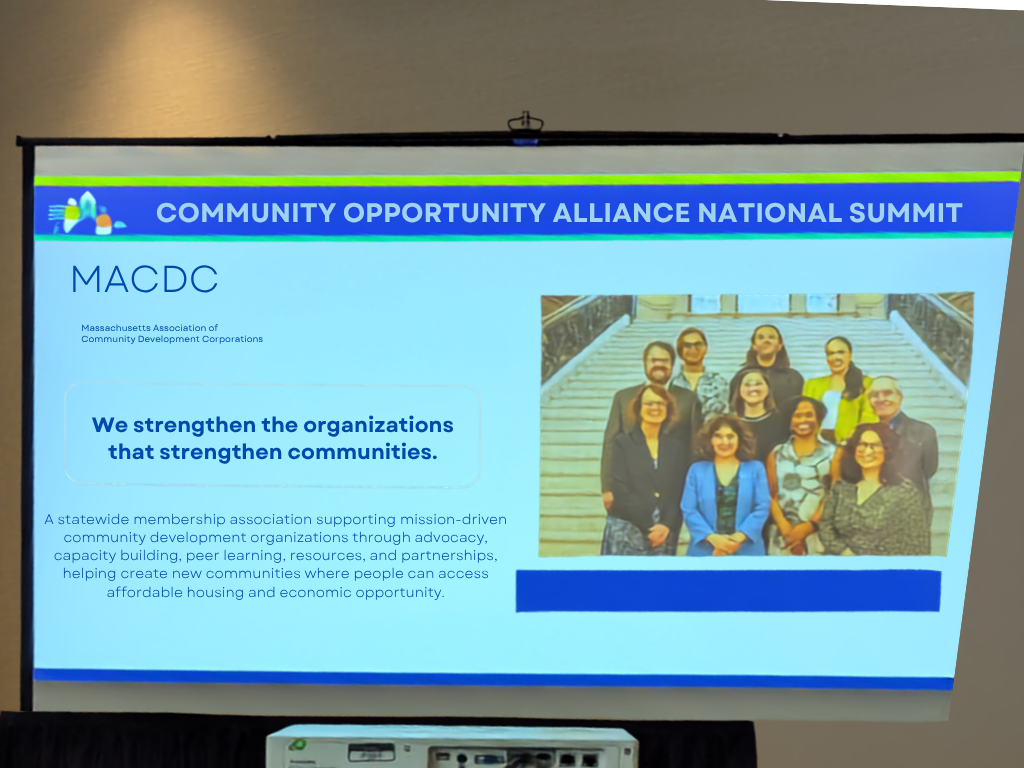
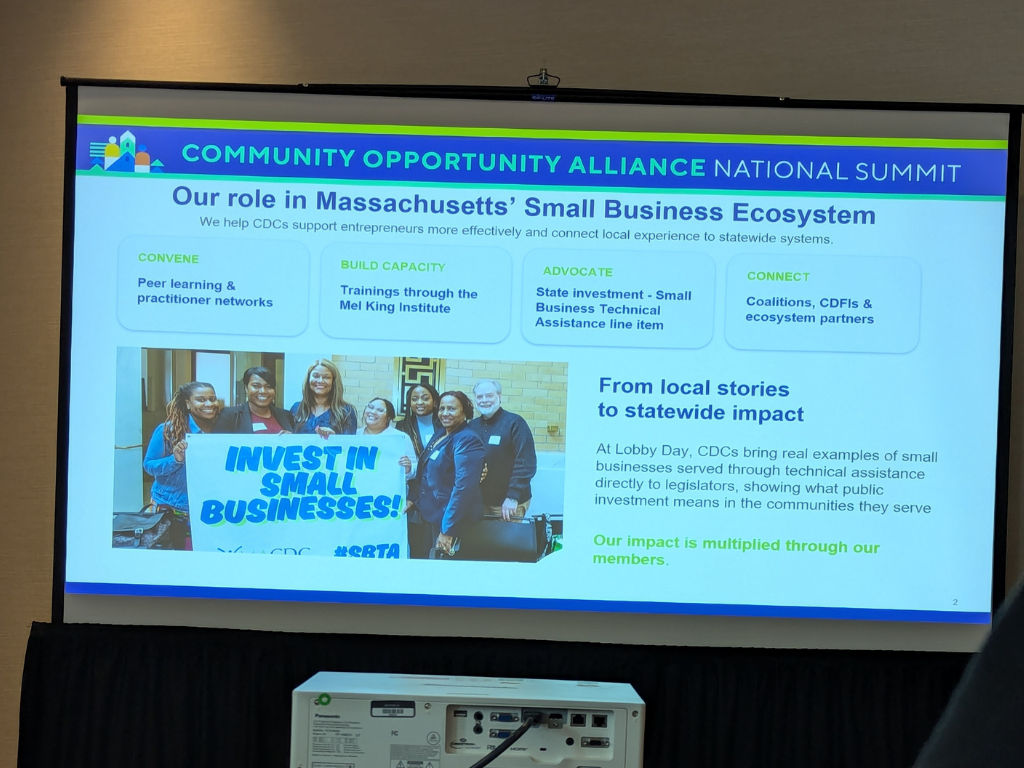
In this peer-learning session, presenters from The Coalition, Massachusetts Association of CDCs, and Philadelphia Association of CDCs shared how their associations have carved out strategic roles within their local small business ecosystems.
The Philadelphia example highlighted the importance of a networked approach. Neighborhood-based CDCs, business support organizations, intermediaries such as PACDC and LISC, and municipal and government partners each contribute different resources and expertise. The ecosystem also responds to broader changes in neighborhoods and the economy, including the growing role of corridor management and Business Improvement Districts (BIDs). In Massachusetts, the association's role includes convening, building capacity, advocating, and connecting. MACDC helps CDCs support entrepreneurs more effectively through practitioner networks and training, while also advocating for state investment in small business technical assistance. By bringing local experiences and examples directly to policymakers, these CDCs demonstrate how public investment translates into impact in communities.
The session offered an important reminder that associations do not have to be the organization delivering every small business service. Their greatest value may be in building the infrastructure around the work: bringing partners together, strengthening CDC capacity, identifying gaps, advocating for resources, and making connections that individual organizations may not be able to make on their own.
Gratitude Builds Stability and Trust
In the Fundraising session, one takeaway stood out: people feel thanked after six touches. This insight underscored how small, personal gestures (handwritten notes, quick check‑ins, or simple acknowledgments) build trust and reinforce belonging. When donors, partners, and residents feel seen and appreciated, they remain engaged in the long‑term work of neighborhood transformation. Gratitude, in this sense, becomes a tool for stability and sustained community investment. With that in mind, we want to take a moment to THANK YOU for reading and for all you do to help communities and families thrive!
Looking Ahead: CBN’s Commitment to Bridge Building
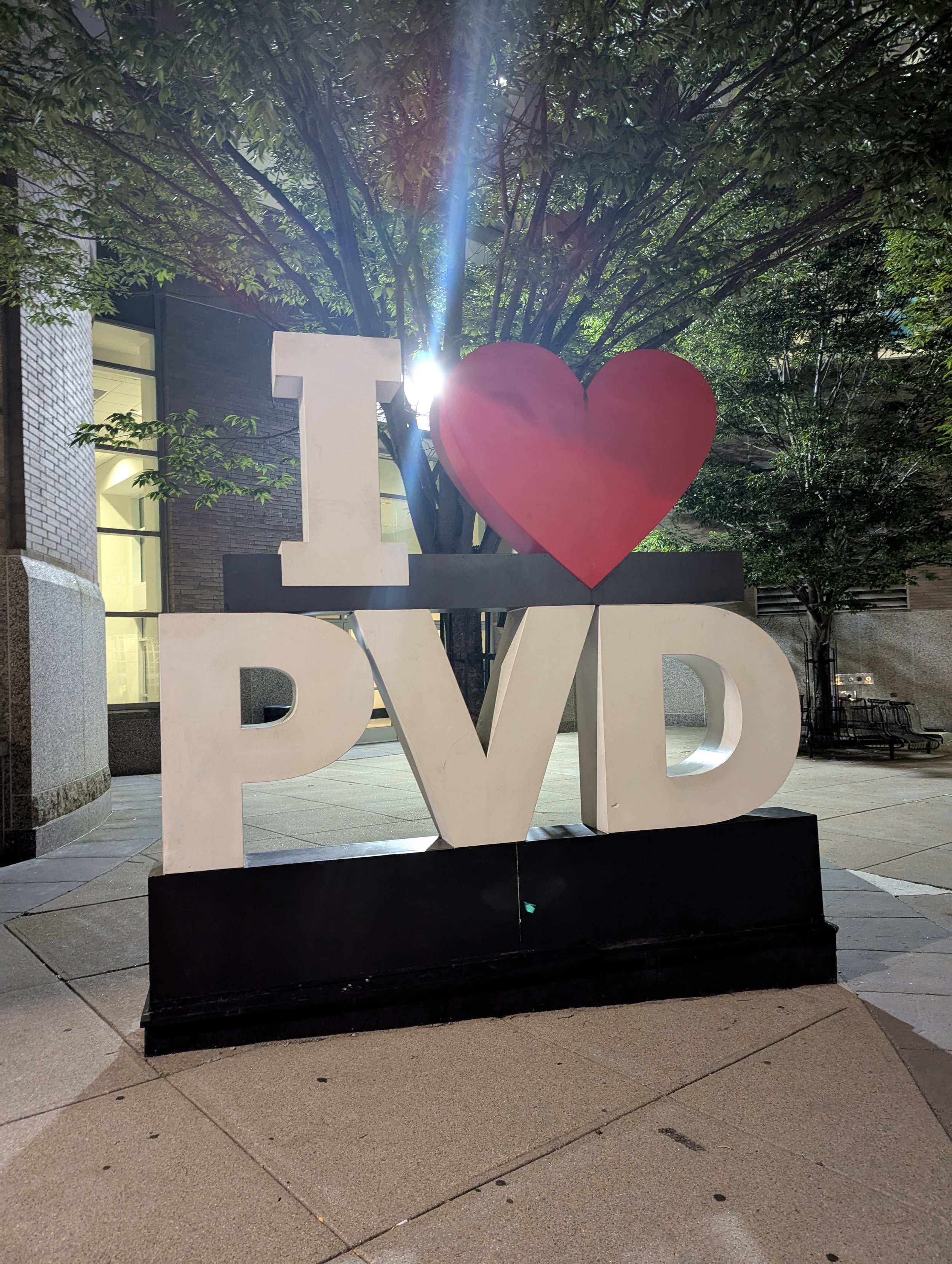
Actual image
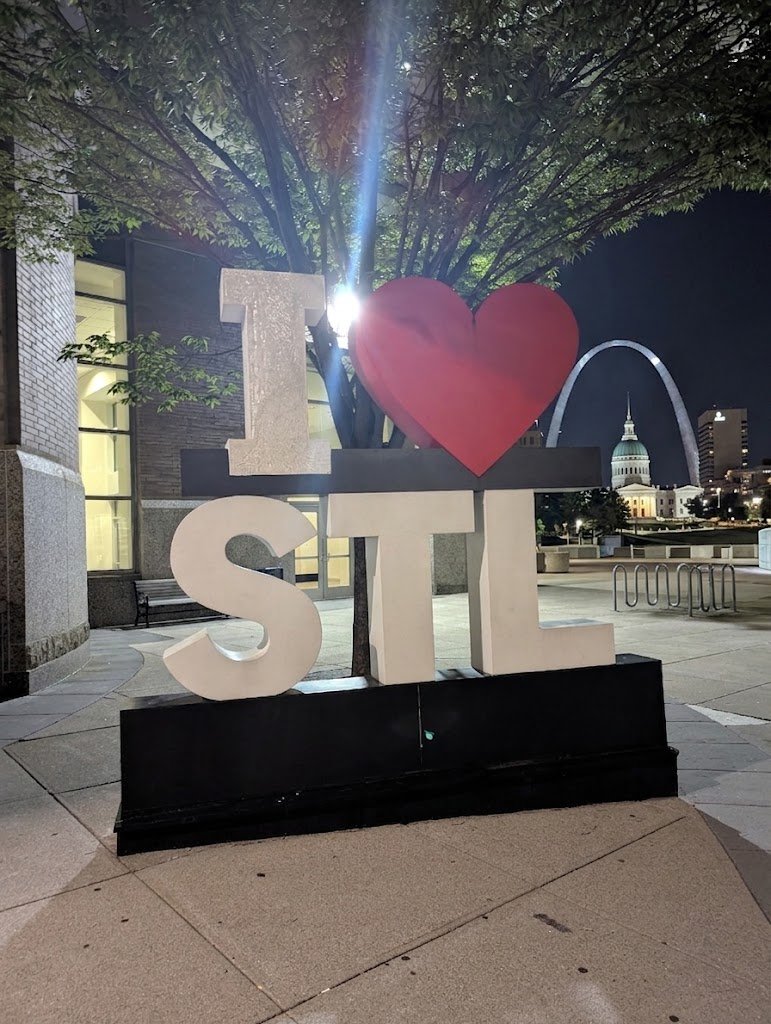
AI Gemini generated image
The lessons from the COA National Summit remind us that development without displacement is not just a vision… it’s a shared commitment. Every partner, policymaker, organization and resident plays a role in shaping a St. Louis where revitalization uplifts rather than uproots. As CBN continues its work as a Bridge Builder, we remain dedicated to connecting our community with the tools, solutions, resources, and PEOPLE who make equitable development possible. Together, we can strengthen neighborhoods, preserve generational wealth, and ensure that progress means opportunity for everyone who calls St. Louis home. We’re grateful for the partnerships that make this work possible….and we invite you to be part of it.
Reach out to CBN staff to join our network if you haven’t already and help us continue building a future rooted in collaboration, belonging, and shared prosperity.
Let’s keep moving St. Louis forward… together.
What Else Did We Learn In Rhode Island?
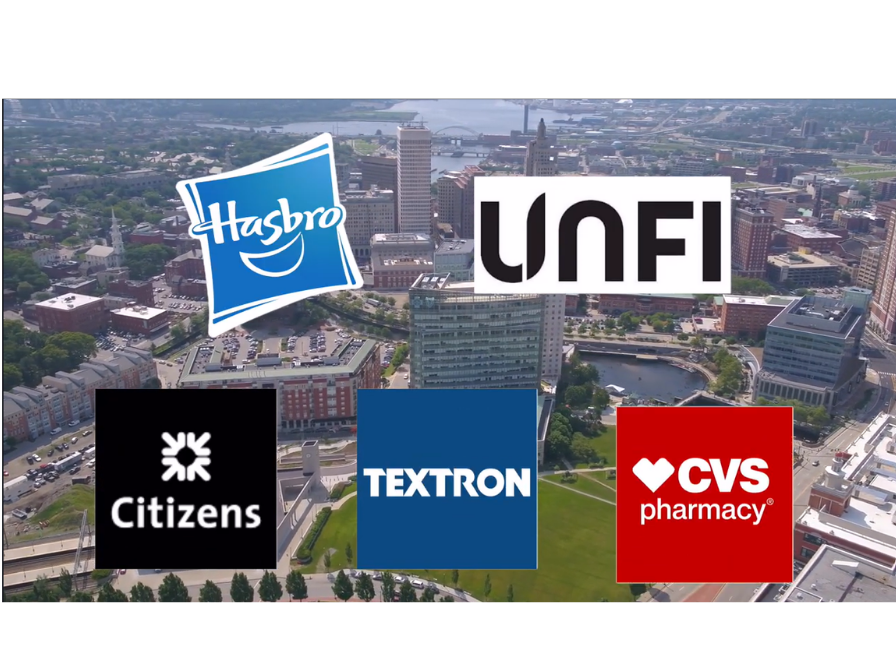
Providence has an unusually strong corporate presence for a relatively small city. Five major companies headquartered in Providence include Textron, a Fortune 500 aerospace, defense and industrial company; Citizens Financial Group, the major banking company; United Natural Foods (UNFI), one of the nation’s largest food distributors; and Bally’s, the gaming and entertainment company. The CVS headquarters are also nearby.
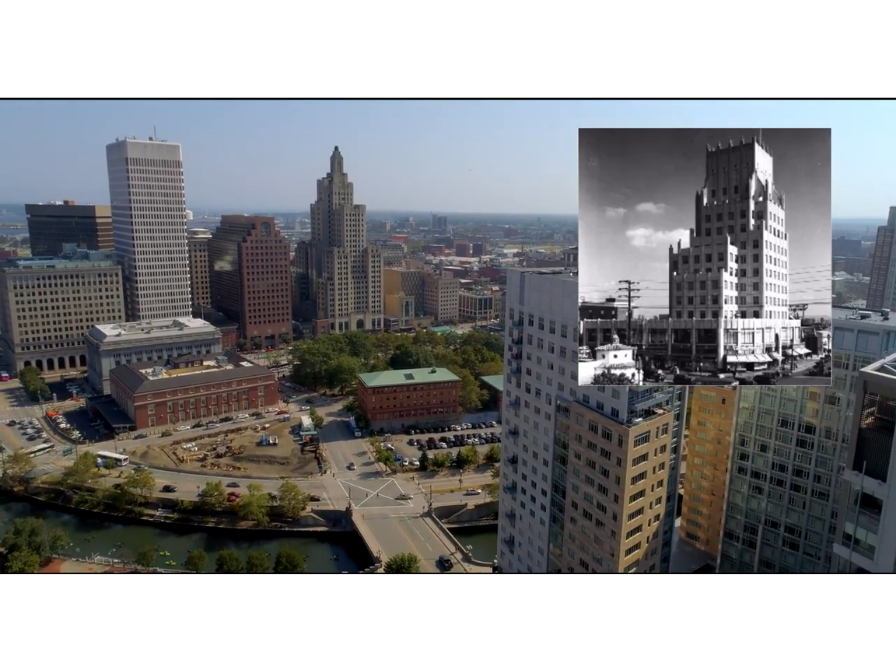
Providence’s Superman Building, officially the Industrial Trust Co. Building, has been the city’s tallest building since it opened in 1928. At 428 feet and 26 stories, it remains the tallest building in Rhode Island. It has been vacant since 2013, when its last major tenant, Bank of America, left. Plans to redevelop the landmark into hundreds of apartments have been circulating for years, but the project has repeatedly stalled. As of 2026, the latest proposal calls for about 285 apartments, including affordable units, but financing and redevelopment remain unresolved.
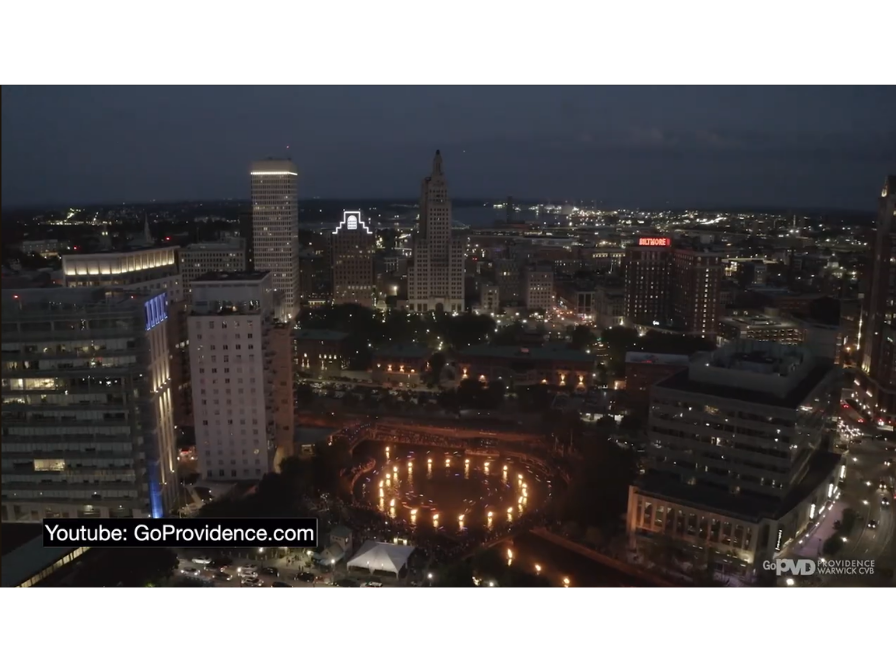
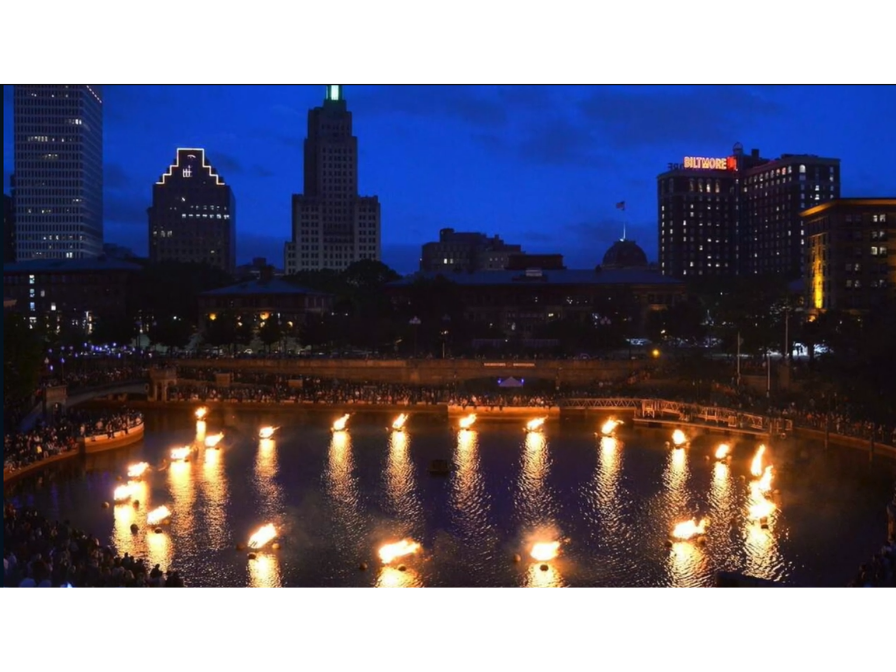
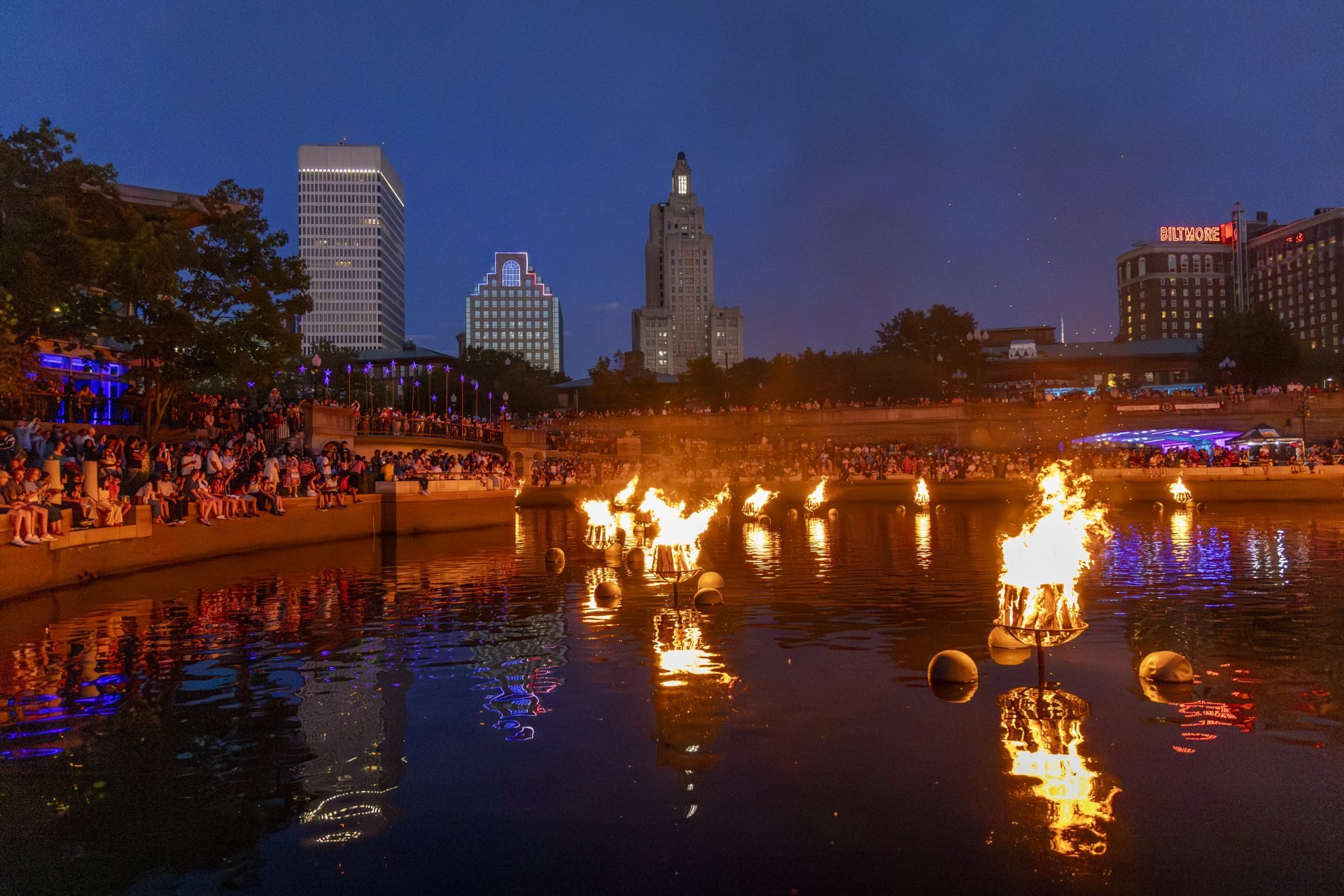
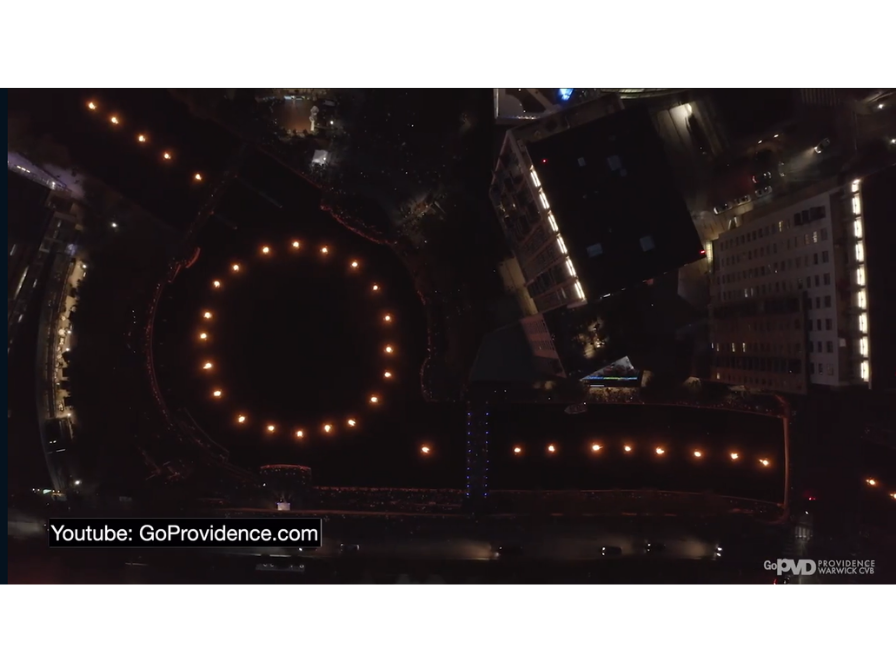
One of Providence’s signature attractions is WaterFire, an art installation and public event that fills the downtown rivers with dozens of glowing bonfires after sunset. Music, performers, food vendors and crowds line the river as the fires are lit.
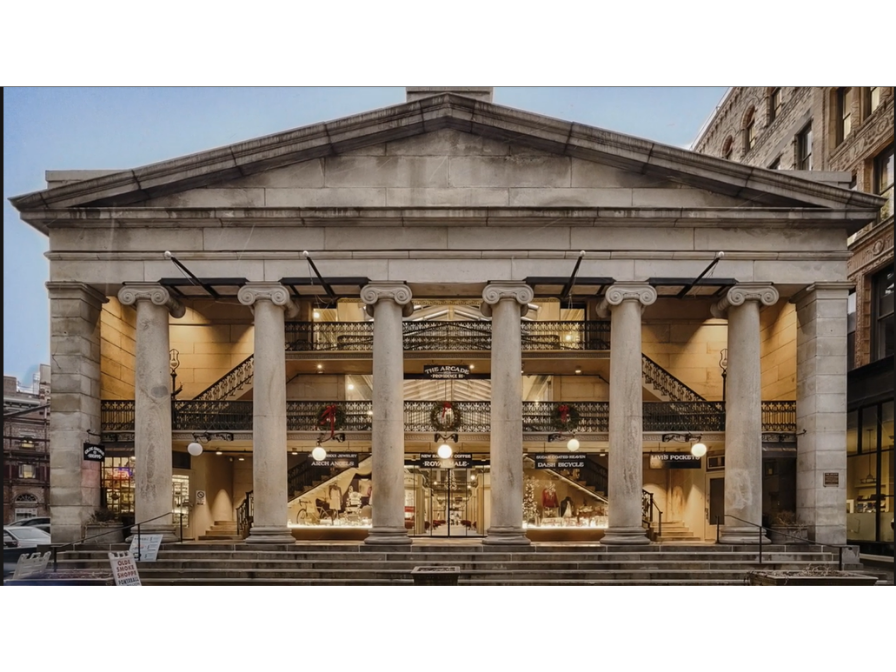
Providence is home to what is widely recognized as the nation’s first enclosed shopping mall. The Westminster Arcade, built in 1828, originally brought multiple shops together under one roof in a Greek Revival structure connecting Westminster and Weybosset Streets. Today, the historic building has been converted into a mixed-use property with small residences and businesses.
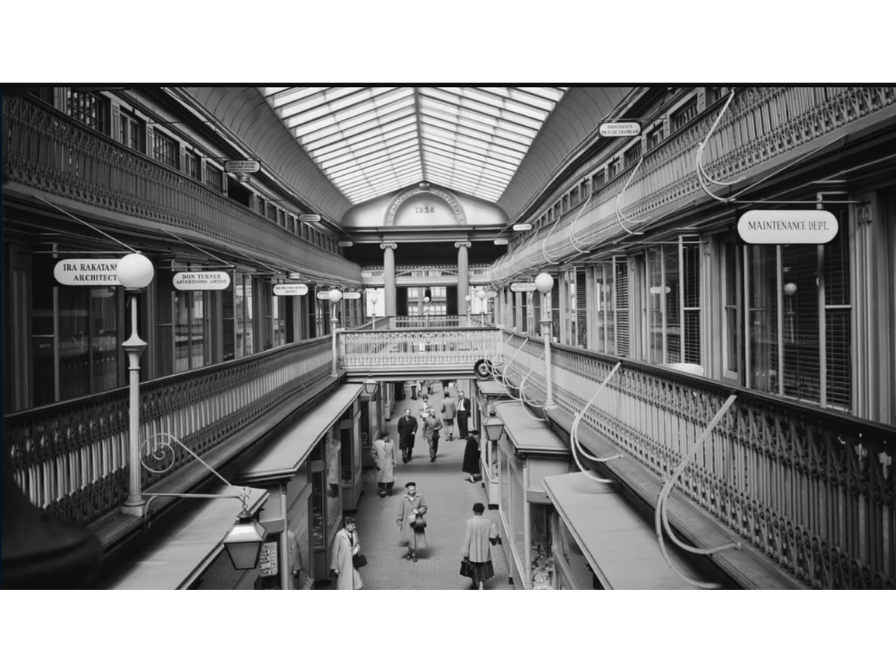
The inside has a striking resemblance to the St. Louis Union Station.
The Providence Union Station (not pictured) is the 1898 former railroad station that now houses offices, restaurants and Track 15, which opened in 2025 as Rhode Island’s first food hall. It was large enough to host our conference attendees for a buffet style dinner and open bar.
Despite USA TODAY naming Providence one of the nation’s most walkable cities in 2025, parts of Benefit Street, one of the city’s most historic, shaded and heavily visited thoroughfares, are difficult or impossible to navigate for pedestrians with limited mobility. Many of the street’s trees were planted roughly 50 years ago, when Benefit Street last received a major refresh. As the trees have matured, their near-surface roots have expanded beneath the sidewalks, pushing up bricks, concrete and asphalt and creating uneven, deteriorated surfaces. In some areas, the sidewalks are virtually impassable.
The City of Providence is now moving forward with a roughly $6.2 million streetscape improvement project funded through the Rhode Island Infrastructure Bank. The project will address the damaged sidewalks while preserving the historic character of Benefit Street. Planned improvements include repairing cracked sidewalks, restoring brick pavement, replacing sections of concrete and asphalt with brick, improving tree wells and bringing sidewalks into compliance with ADA accessibility standards. The project was proposed by the neighborhood association, Mile of History, which sought improvements to better welcome visitors to the civic, educational, cultural and religious institutions located along Benefit Street. Supporters say the investment is warranted because of Benefit Street’s significance to Providence’s tourism industry, historic identity and local economy. Opponents have questioned the decision to invest millions of dollars on Benefit Street given the city’s current fiscal challenges, arguing that other neighborhoods with deteriorated sidewalks and infrastructure also need attention. The project highlights how to preserve the character that attracts residents and visitors while making aging infrastructure safer, more accessible and usable for everyone. Learn more here or read the WPRI story. There is also a Facebook video.
Nearby Westerly offers another example of how communities can use storytelling and public art to celebrate local history and strengthen a sense of place. A stroll through downtown Westerly reveals murals that tell stories about the nearly 350-year-old community, turning ordinary buildings and public spaces into opportunities for residents and visitors to engage with local history.
The nonprofit Bricks & Murals helped bring the project to life through a five-day painting festival in 2017, later expanding the effort through the Harmony Trail. Together, these projects demonstrate how preserving and sharing community stories can become part of neighborhood revitalization, creating places that are not only visually engaging but also connected to the history and identity of the people who live there.